
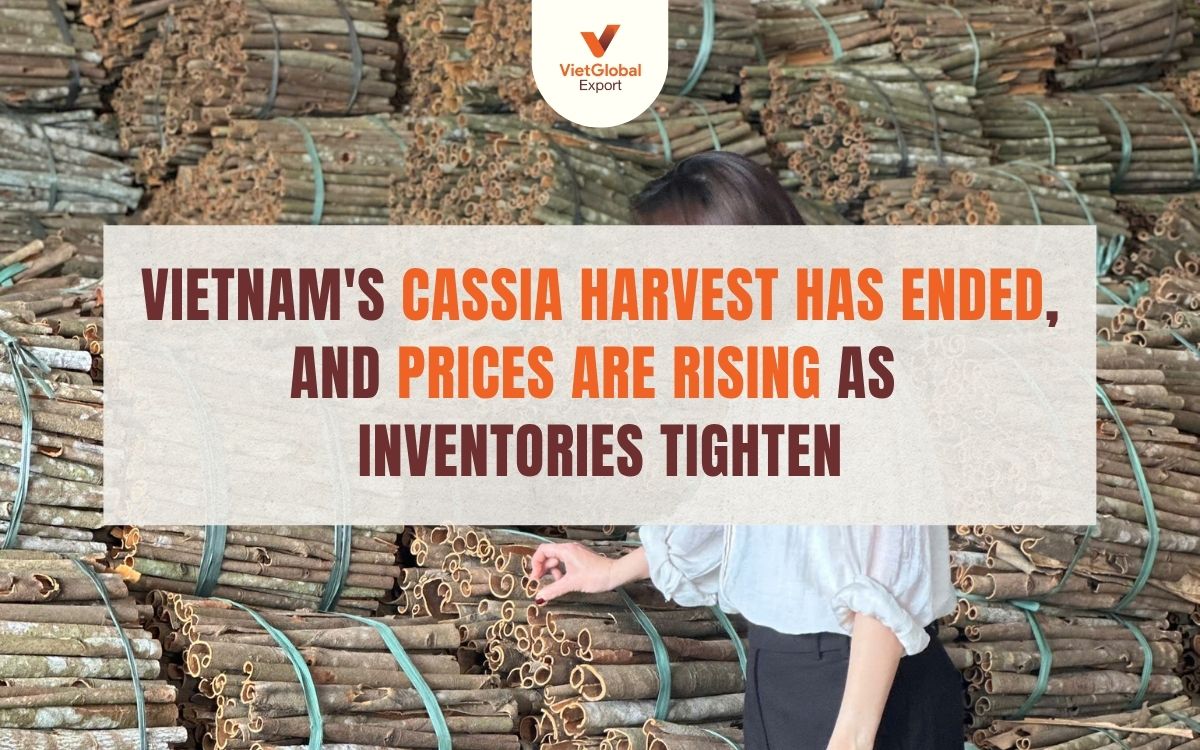
Harvest may be over, but the market is entering a new phase
Over the past few months, Vietnam’s major cinnamon and star anise growing regions have been at their busiest. Hillsides were filled with farmers harvesting fresh bark, factories were operating around the clock, and shipments were moving steadily to international buyers.
Today, that picture has started to change.
The first major cassia cinnamon harvest of the year has largely come to an end, and the Spring star anise harvest is also over. While export activities continue as usual, the market has now entered the period between harvest seasons-a stage that often brings different opportunities and challenges for importers.
If you’re planning purchases for Q3 or Q4, here’s what we’re seeing on the ground.
Cassia cinnamon harvest season has officially ended
Harvest activities are slowing across Vietnam’s major growing regions
The first cassia harvest, which typically runs from March to May, has now finished across most of Yên Bái and Lào Cai, Vietnam’s two largest cinnamon-producing provinces.
Only a few scattered areas still have harvestable bark, and the remaining volumes are limited.
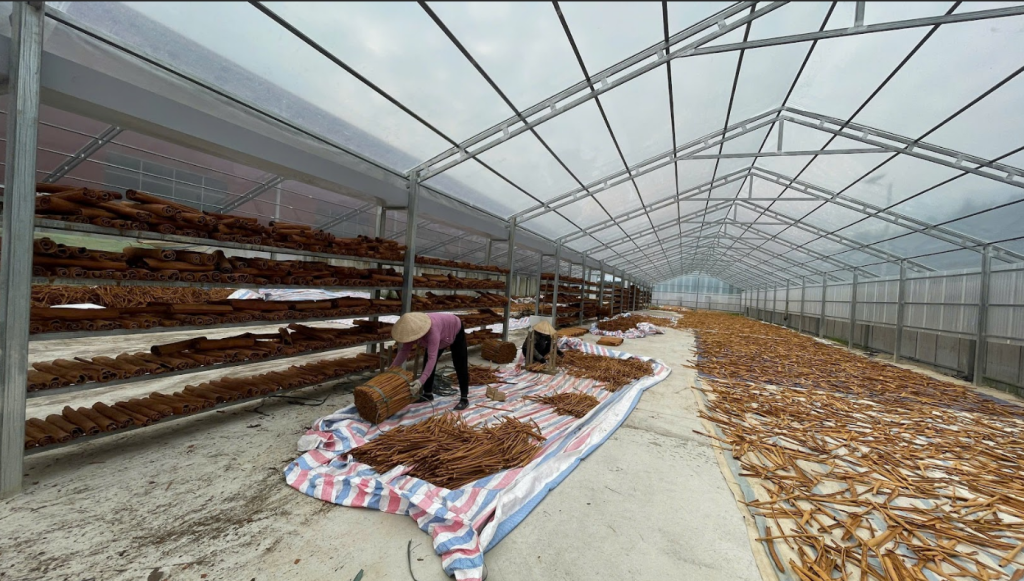
During the harvest season, fresh cassia bark moved quickly from plantations to local processing facilities. Farmers peeled bark daily, trucks transported fresh materials throughout the region, and drying yards were filled with newly harvested cinnamon.
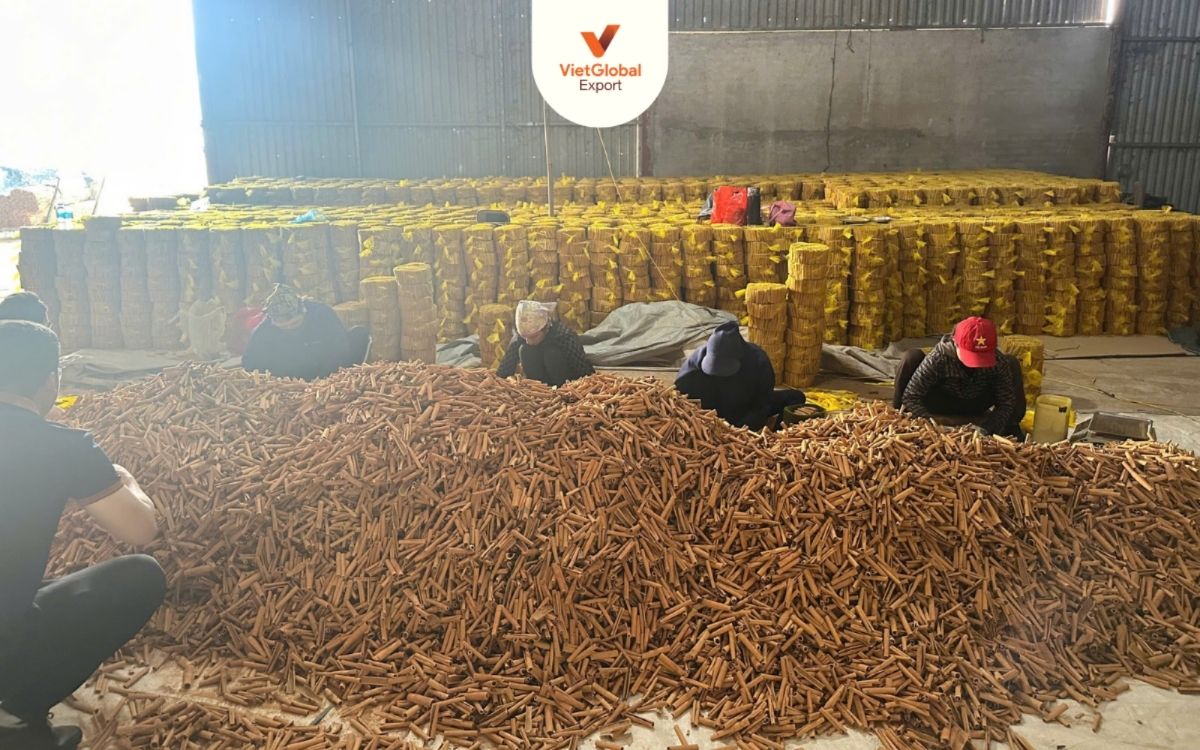
Now, harvesting activities have slowed considerably. Most factories are no longer receiving large quantities of fresh bark and are instead focusing on processing existing inventories for export.
Prices are gradually increasing as supply becomes tighter
One question buyers often ask is: “If the harvest has ended, should we wait until the next harvest to buy?”
In our experience, that isn’t always the best strategy.
Although there is still inventory available, fresh raw materials are no longer entering the market in large volumes. As existing stock gradually decreases, raw material prices have already started to move upward in several production regions.
Unlike the harvest period, when factories have abundant raw materials to choose from, processors now need to allocate inventory more carefully across confirmed orders.
As a result, buyers may notice:
- Higher raw material prices than during peak harvest.
- Longer production lead times.
- More limited availability for customized specifications.
This is a normal seasonal cycle rather than a sudden market disruption.
Star anise has also entered the post-harvest period
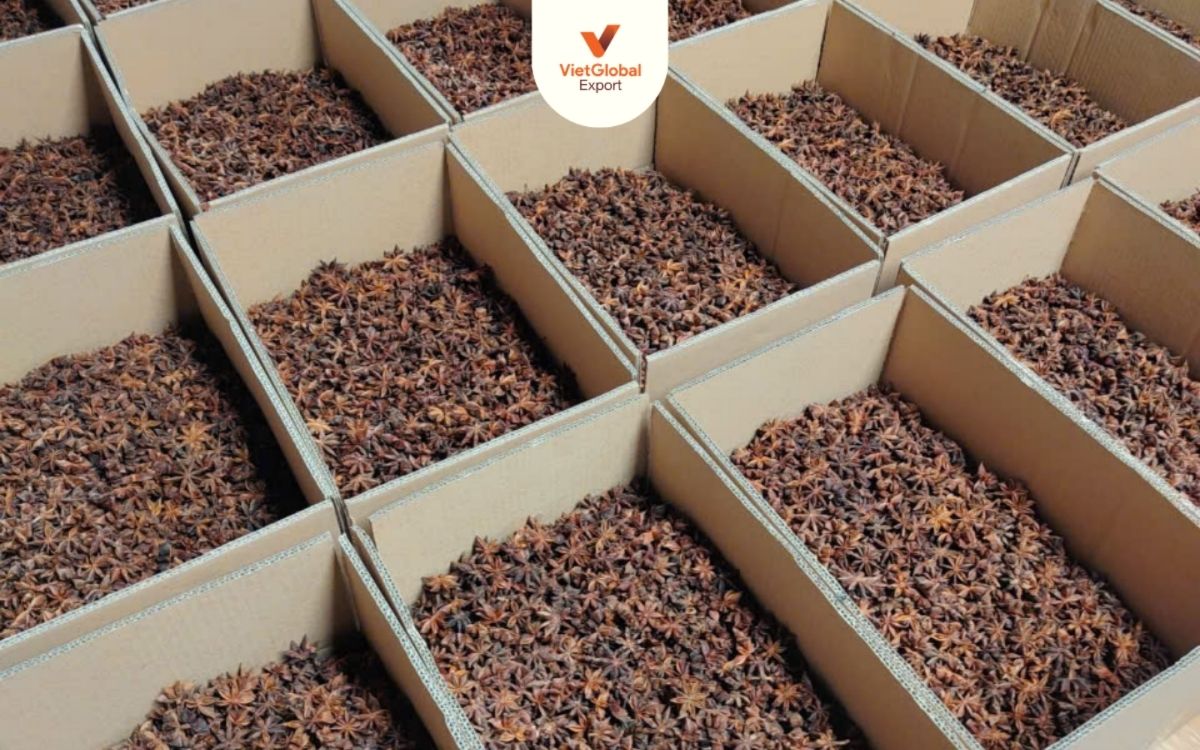
The situation is very similar for Vietnamese star anise. The Spring crop has now finished, and most exporters are supplying orders from inventory rather than fresh harvests.
High-quality star anise is still available, but as inventories are gradually consumed, buyers with specific requirements-such as larger star size, lower broken percentage, or premium color-may find fewer options compared to harvest season.
This makes early planning increasingly important, particularly for buyers with long-term supply programs.
What happens between harvest seasons?
The market shifts from harvest-driven to inventory-driven
From now until the next major cassia harvest, expected around September or October, the market will rely primarily on inventories that were built during the recent harvest.
This changes the dynamics of sourcing.
During harvest season, factories have continuous access to fresh raw materials and greater flexibility in production.
After harvest, however, every order depends on available stock. Factories become more selective in allocating materials, especially for products requiring specific oil content, diameter, roll rate, or customized packaging.
Production doesn’t stop-but planning becomes much more important.
Why experienced buyers usually don’t wait
One interesting pattern we’ve observed over the years is that experienced buyers rarely wait until they urgently need the goods before placing orders. Instead, many begin discussing their purchasing plans shortly after harvest ends.
Why?
Because at this stage, suppliers still have inventory, factories can organize production more efficiently, and buyers have greater flexibility when selecting specifications.
Waiting until inventories become tighter often means accepting longer lead times, fewer production slots, or higher raw material costs.
In other words, successful sourcing isn’t always about buying at the lowest possible price. It’s about securing the right product at the right time.
What importers should consider right now
If you’re planning cassia cinnamon or star anise purchases for the coming months, now is a good time to review your sourcing strategy.
Rather than focusing only on market prices, it’s worth confirming your specifications early-including oil content, moisture level, stick size, roll rate, broken percentage, and packaging requirements.
These details become increasingly important once factories begin managing more limited inventories.
Early communication also gives suppliers enough time to prepare raw materials properly, organize production, and maintain consistent quality across shipments.
For agricultural products, good planning often saves far more than trying to negotiate the last few dollars per ton.
From our team on the ground
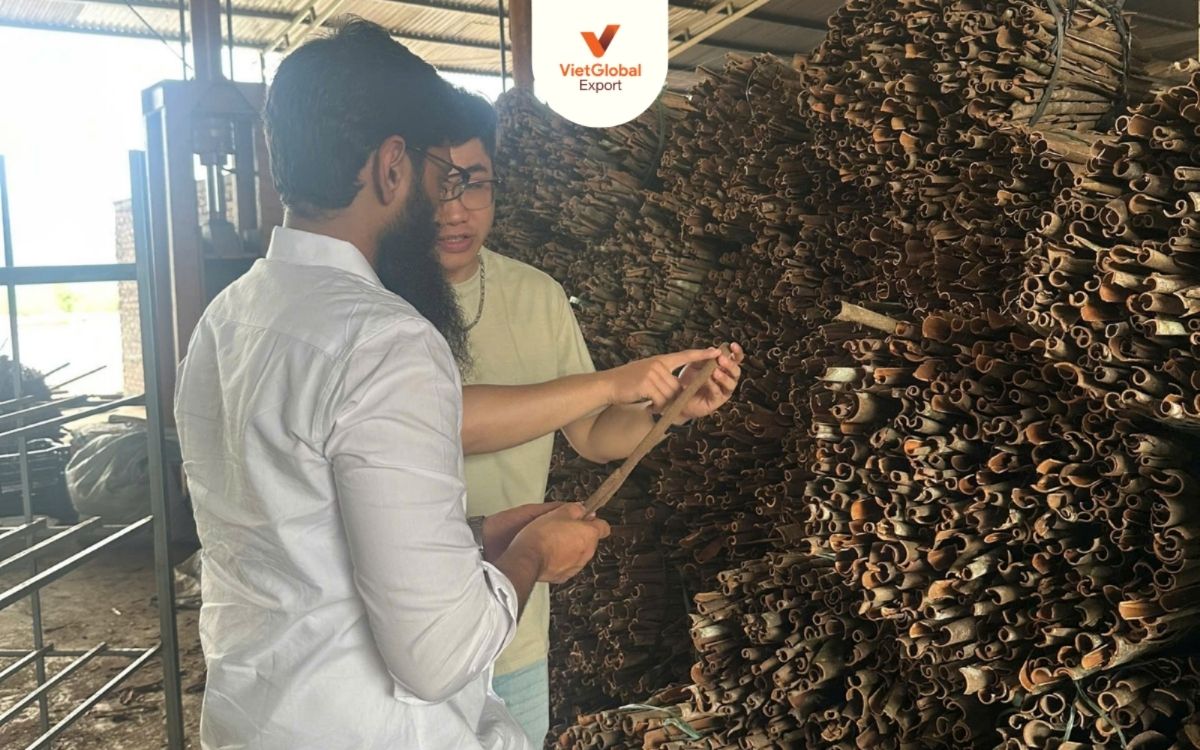
Over the past few weeks, our team has visited processing facilities across Yên Bái and Lào Cai to monitor harvest progress and factory operations.
One trend we’ve consistently observed is that factories are becoming more selective when allocating raw materials for export orders. While production continues normally, products with customized specifications-such as higher oil content, smaller diameters, or premium roll rates-now require more preparation time than they did during peak harvest.
For buyers who need consistent quality or regular shipments throughout Q3 and Q4, starting discussions earlier than usual can help secure both availability and production schedules.
Frequently asked questions
Is cassia cinnamon still available after the harvest season?
Yes. Most exporters are currently supplying orders from inventories processed during the recent harvest. However, available stock gradually decreases over time until the next harvest begins.
Will cassia cinnamon prices continue to increase?
Prices have already shown an upward trend as fresh raw material becomes less available. Future movements will depend on export demand, inventory levels, and global market conditions.
Why do production lead times become longer after harvest?
Factories no longer receive fresh bark every day. They rely on existing inventories, making production planning and raw material allocation more time-consuming-especially for customized orders.
Is it better to wait until the next harvest?
Not necessarily. Waiting may provide access to fresh harvest materials, but it can also mean competing with stronger market demand. Many experienced buyers prefer to secure at least part of their volume before inventories tighten further.
When is the next cassia harvest in Vietnam?
The next major harvest is expected around the eighth lunar month, which typically falls between September and October.
Conclusion
Although Vietnam’s first cassia cinnamon harvest and the Spring star anise harvest have now ended, the sourcing season is far from over.
The market is simply entering a different phase-one where inventory management, production planning, and supplier coordination become more important than ever.
For buyers with purchasing plans for the second half of the year, this is a good opportunity to review requirements, confirm specifications, and begin discussions before supply becomes more limited.
At VietGlobal Export, we’ll continue sharing real-time updates directly from the growing regions and processing factories, helping you make sourcing decisions based on what’s actually happening on the ground-not just market rumors.
