
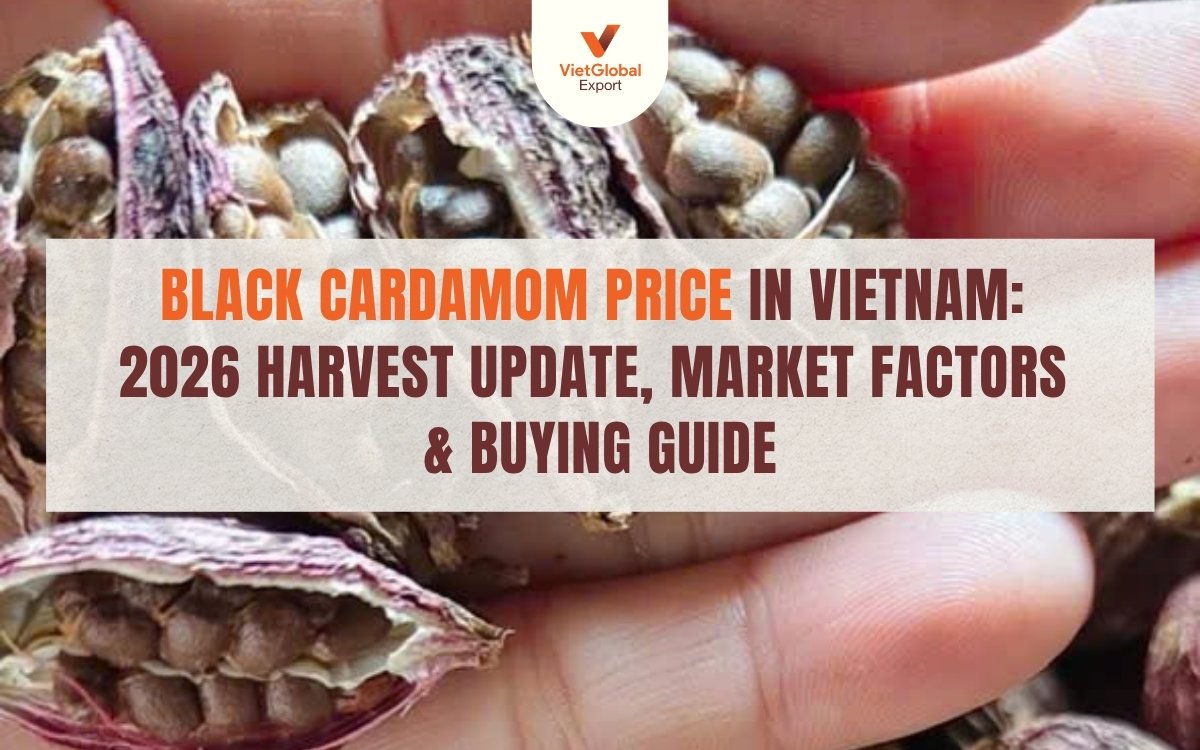
If you’re searching for the latest black cardamom price, the answer is more complex than a single number.
Unlike globally traded commodities, big cardamom or large cardamom prices change throughout the harvest season and depend on factors such as crop size, weather conditions, product maturity, processing quality and export demand. Two shipments harvested in the same month may even have different prices because they differ in moisture, seed maturity or drying quality.
For importers, wholesalers and food manufacturers, understanding why large cardamom prices change is often more valuable than simply checking today’s quotation.
This guide explains the current Vietnam black cardamom market, what is driving prices in 2026, and how buyers can secure consistent quality rather than purchasing on price alone.
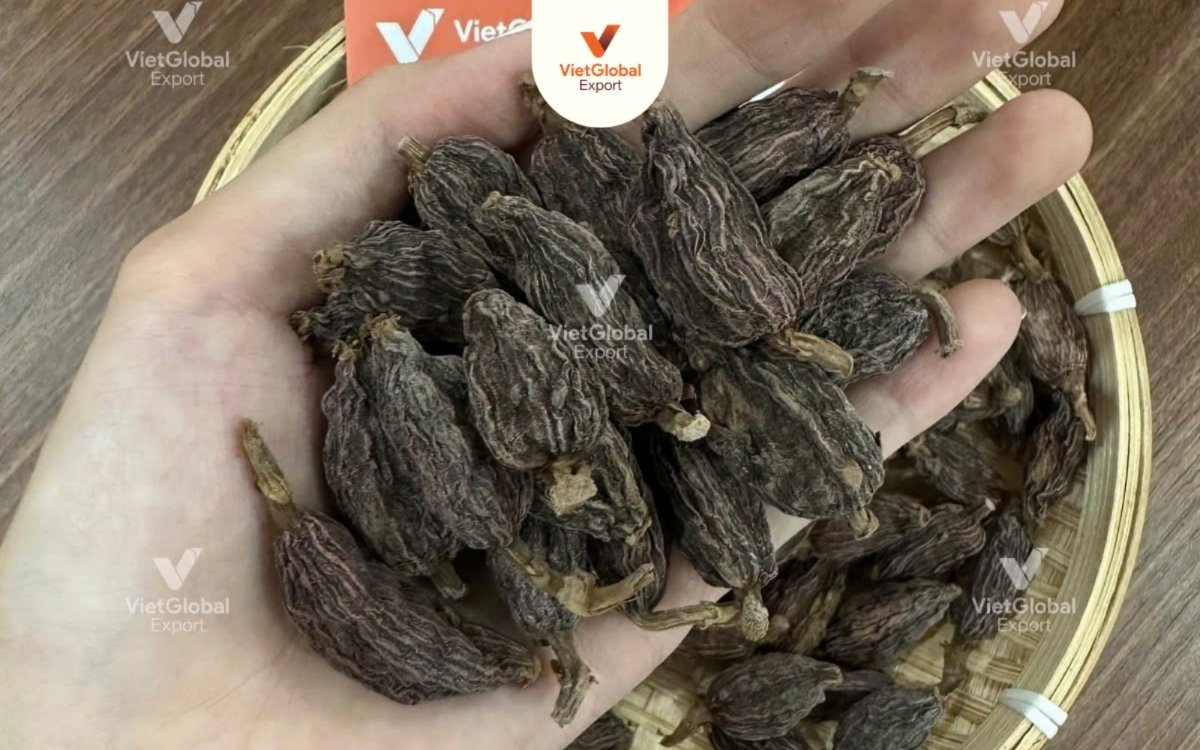
Current black cardamom price trend in Vietnam
As the 2026 harvest begins in northern Vietnam, black cardamom prices remain significantly higher than last year.
The market is still in the early harvesting stage, with only limited quantities entering processing facilities. Most export-quality material has not yet reached the market because farmers and processors are focusing on harvesting, drying and sorting the new crop.
Based on our sourcing observations, supply remains tight while demand from both domestic and export markets continues to support firm prices.
We expect more mature, export-ready lots to become available around mid-August, when drying and grading are completed for a larger portion of the harvest.
For buyers with production schedules in the coming months, this is an ideal time to begin discussing specifications and availability instead of waiting until peak demand.
Why is large cardamom price higher this year?
Unlike cassia cinnamon or black pepper, large cardamom is produced only in specific high-altitude mountain regions in northern Vietnam.
Production is naturally limited, and the harvest lasts only a few months each year. Several factors are contributing to the stronger market this season.
The market entered this year’s harvest with an already elevated price level.
During the previous season, production was relatively limited while demand remained strong across both domestic and export markets. As inventories gradually declined over recent months, the new harvest began without a significant stock surplus.
Instead of resetting prices, the market carried this tight supply situation into the new season, helping keep prices firm.
Fresh-to-dry yield is extremely low
Another important factor is the significant weight loss during processing.
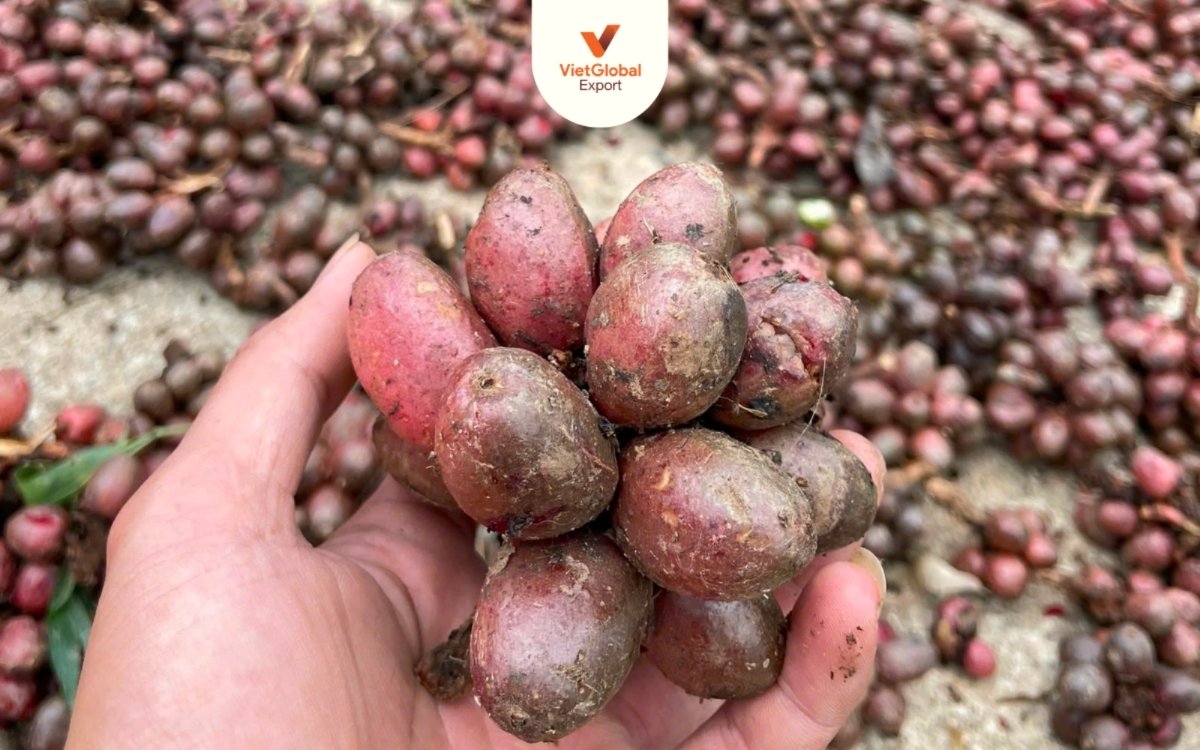
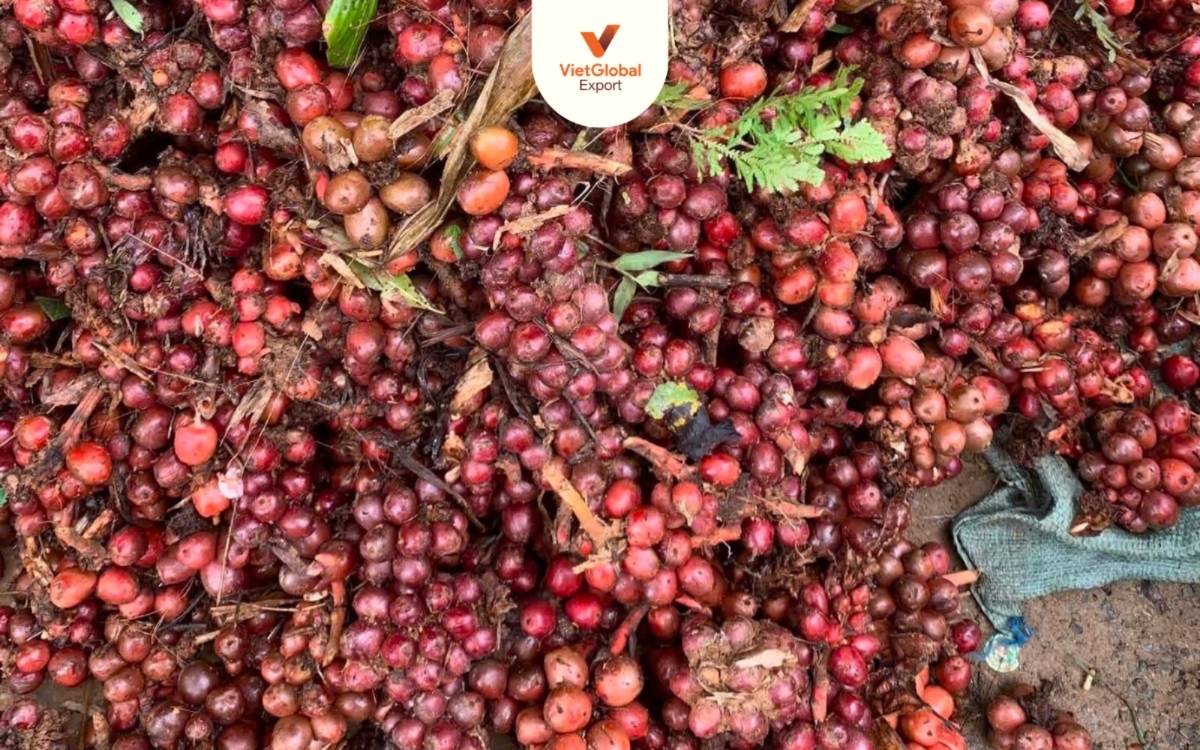
Fresh black cardamom contains a high level of natural moisture and cannot be exported immediately. It must be carefully dried before becoming export-ready.
On average, 12–14 kilograms of freshly harvested black cardamom are needed to produce just 1 kilogram of dried product.
This low conversion rate means processors must purchase, transport and dry a large volume of fresh material to obtain a relatively small quantity of finished goods. Together with labour and processing costs, this has a direct impact on the final export price.
Export-quality material is still limited
Although harvesting has begun, not every lot is immediately ready for export.
Many processors are waiting until the pods reach full maturity before selecting export batches. Mature pods generally have better seed development, stronger aroma and more consistent quality after drying.
Because much of the crop is still being processed, export-ready supply remains relatively limited during the early part of the season
Does a higher black cardamom price mean better quality?
Not necessarily.
Price reflects market conditions, but product quality depends on several technical factors.
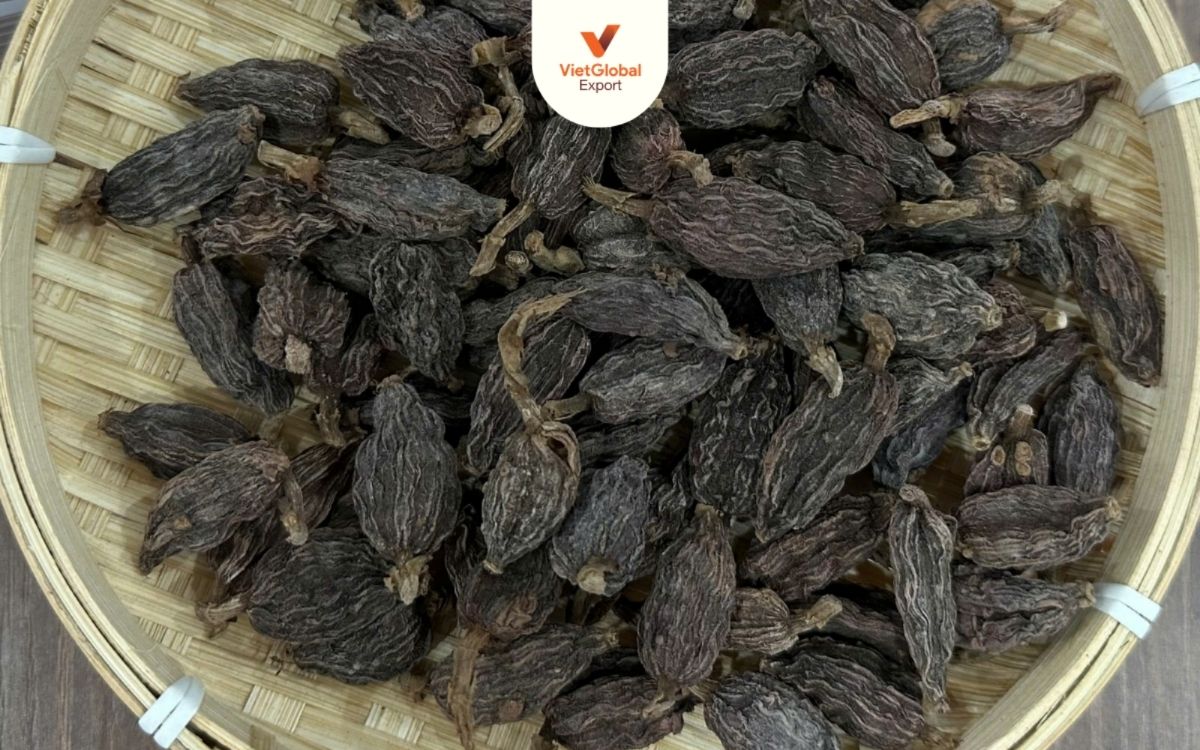
Experienced buyers normally evaluate black cardamom based on pod maturity, seed development, aroma, moisture content, drying consistency and cleanliness rather than pod size alone.
For example, large pods harvested too early may contain immature seeds and produce weaker flavor than smaller but fully mature pods.
Similarly, products that are insufficiently dried may appear attractive initially but carry a higher risk of mold during storage or ocean transportation.
For this reason, professional buyers rarely compare prices without also reviewing representative samples and agreed specifications.
How does the harvest season affect big cardamom price?
Vietnam has one main black cardamom harvest each year, typically beginning in late July and continuing through September, depending on altitude and weather conditions.
Harvest timing plays an important role in market pricing.
Early in the season, availability is usually limited because much of the crop is still being harvested and dried. As processing progresses, more export-quality lots become available and buyers have a wider choice of specifications.
Later in the season, prices may remain firm if inventories tighten or export demand increases.
For seasonal spices like black cardamom, understanding the harvest calendar often provides better purchasing insight than following price movements alone.
What determines good black cardamom quality?
Price is only one part of the buying decision.
Experienced importers normally evaluate black cardamom based on pod maturity, seed development, aroma, moisture content, drying consistency and cleanliness.
Large pods do not always indicate better quality. Likewise, darker colour alone does not guarantee stronger flavour.
Moisture is particularly important because insufficient drying increases the risk of mold and quality deterioration during storage and ocean transportation.
For this reason, representative samples and agreed product specifications are usually far more valuable than comparing prices alone.
Source Vietnamese black cardamom with confidence
What should buyers check before shipment?
Before approving a shipment, buyers should confirm that the product matches the agreed specification and that the supporting documents refer to the same production batch.
Representative samples, moisture levels, drying quality, packing condition and product consistency should all be reviewed before loading.
Where required, a Certificate of Analysis (COA), third-party laboratory testing or independent pre-shipment inspection can provide additional confidence that the shipment meets the agreed requirements.
Good quality control begins before the container is sealed – not after it arrives.
Sourcing Vietnamese cardamom with VGE
Black cardamom is one of Vietnam’s most seasonal spice exports. Harvest conditions, processing progress and product availability can change significantly within just a few weeks.
At VietGlobal Export, we monitor crop conditions directly in the producing regions and help buyers understand what is happening at origin – from harvest progress and quality selection to inspection and export documentation.
We don’t just export spices.
We represent you in Vietnam.
If you’re looking for the latest black cardamom price, current crop updates or export-ready availability, contact our team to discuss your sourcing requirements.
