

Ramadan is a season when food carries meaning beyond nourishment. After long hours of fasting, meals are expected to restore energy gently, bring comfort, and reflect tradition. Across the Middle East, South Asia, North Africa, and many Muslim communities worldwide, spices play a central role in shaping these meals.
Rather than coming from a single origin, Ramadan spices represent a global culinary heritage. They are chosen for how they perform in food, adding warmth, balance, aroma, and familiarity, especially during iftar and suhoor. Understanding these spices helps food brands and importers plan better for the Ramadan season.
WHY RAMADAN SPICES MATTER DURING THE FASTING MONTH
Eating habits during Ramadan change significantly. Meals are concentrated into specific hours, often following extended fasting periods. As a result, foods are typically warm, aromatic, and carefully balanced rather than heavy or overly processed.
Spices make this possible. They enhance flavor without relying on excessive oil or salt and help create meals that feel comforting and digestible. For manufacturers and ingredient buyers, this seasonal shift leads to consistent demand for specific spices used during Ramadan, especially those associated with warmth and balance.
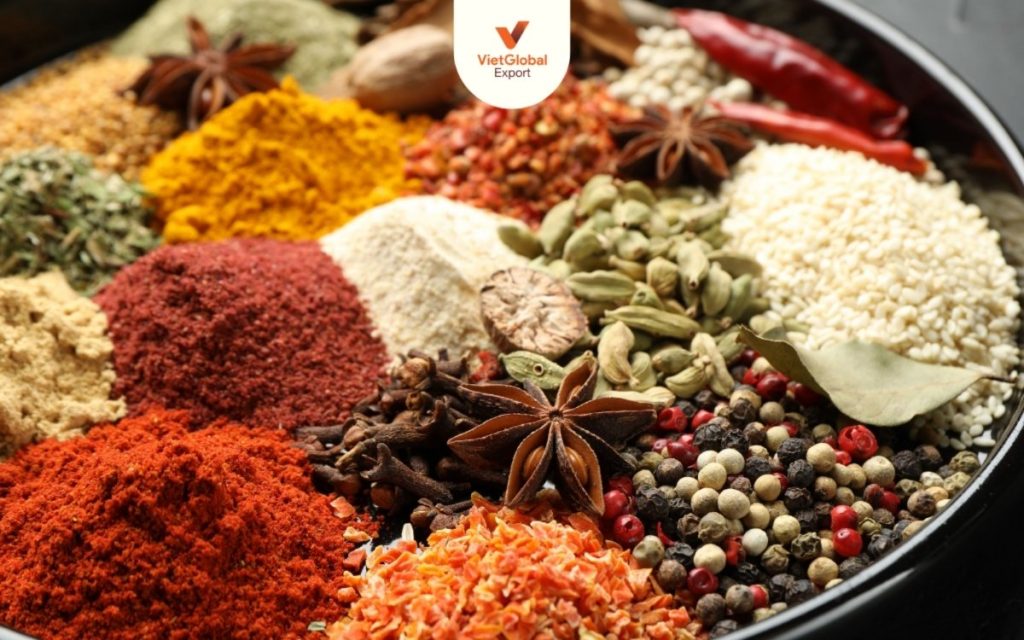
ESSENTIAL RAMADAN SPICES USED ACROSS GLOBAL CUISINES
CINNAMON – WARMTH AND FAMILIARITY
Cinnamon is one of the most widely used Ramadan spices, appearing in savory rice dishes, slow-cooked meats, desserts, and warm beverages served after iftar. Its gentle sweetness helps soften richer ingredients and adds depth without overwhelming the dish.
Sourced from regions such as Vietnam, Sri Lanka, and Indonesia, cinnamon is also commonly associated with digestive comfort and balance. This makes it particularly suitable for meals enjoyed after long fasting hours.
CUMIN – THE FOUNDATION OF SAVORY RAMADAN DISHES
Cumin plays a foundational role in many Ramadan recipes, especially savory dishes. It is heavily used in soups, stews, legumes, and meat preparations across Middle Eastern and South Asian cuisines.
Traditionally, cumin is linked with digestive ease, which explains its popularity during Ramadan. Its earthy profile provides depth while remaining gentle enough for daily consumption throughout the month.
CORIANDER – BALANCE AND FRESHNESS
Coriander seeds and powder are valued for their ability to balance stronger spices. With a mild, slightly citrusy character, coriander adds freshness and harmony to spice blends used in Ramadan cooking.
It is commonly found in marinades, sauces, and vegetable dishes, helping soften heavier flavors and create meals that feel lighter and more balanced after fasting.
GINGER – NATURAL HEAT AND COMFORT
Ginger adds gentle heat and freshness to Ramadan meals and beverages. Used in both fresh and dried forms, it is especially popular in teas and warm drinks consumed after iftar.
Ginger is widely associated with warming the body and supporting digestion. These qualities make it one of the most practical spices for Ramadan, particularly in dishes and beverages designed to restore energy after fasting.
CARDAMOM – AROMATIC SWEETNESS FOR DRINKS AND DESSERTS
Cardamom is closely tied to Ramadan beverage culture. It is commonly used in tea, coffee, and milk-based drinks, as well as in desserts served after evening meals.
Sourced mainly from regions such as India and Guatemala, cardamom offers a fresh, sweet aroma that feels refined and comforting. It is also traditionally associated with digestive balance, reinforcing its role during Ramadan
BLACK PEPPER – DEPTH AND FLAVOR ENHANCEMENT
Black pepper contributes sharp warmth and depth to savory Ramadan dishes. Rather than dominating flavor, it enhances other spices and ingredients, creating a well-rounded taste profile.
Often used in soups, sauces, and meat preparations, black pepper is traditionally linked with warming effects, making it a natural addition to evening meals during the fasting month.
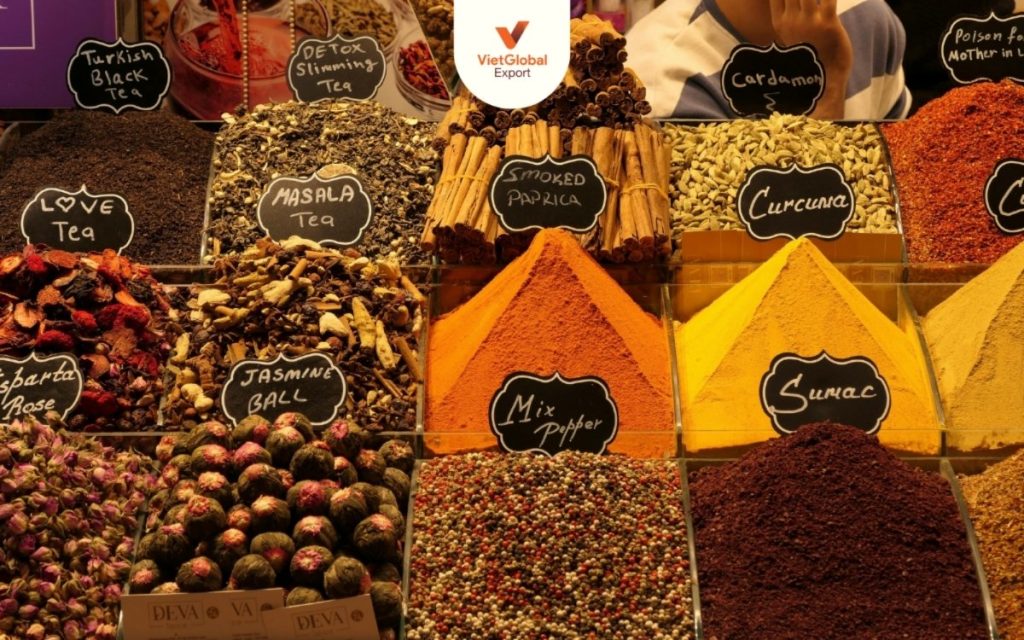
WHAT BUYERS SHOULD CONSIDER WHEN SOURCING RAMADAN SPICES
While origin influences flavor, performance matters more during Ramadan. Importers and manufacturers typically prioritize spices that deliver consistent aroma, stable quality, and predictable results throughout the season.
Key considerations include:
- Suitability for traditional Ramadan dishes
- Consistent flavor strength and aroma
- Moisture control and shelf life
- Reliable supply during peak seasonal demand
These factors often outweigh the importance of sourcing from a single country.
VIETNAM’S ROLE IN THE GLOBAL RAMADAN SPICE SUPPLY
Vietnam is not the only source of Ramadan spices, but it plays an important role in the global supply chain. The country is a major origin for cinnamon, ginger, and black pepper, offering competitive pricing and flexible processing options.
For buyers serving Ramadan demand, Vietnam provides a practical sourcing option alongside other origins, especially when consistency, volume, and timing are critical.
At VietGlobal Export, we support buyers by managing sourcing transparently — from product selection and quality control to packing and shipment.
We don’t just export spices — we represent our clients in Vietnam.
FINAL THOUGHTS: RAMADAN SPICES BEYOND BORDERS
Ramadan cuisine reflects tradition, diversity, and balance. The spices used during this season come from many regions, yet they share a common purpose: creating meals that comfort, nourish, and bring people together after fasting.
By understanding Ramadan spices from a global perspective, food brands and importers can make smarter sourcing decisions, choosing ingredients based on performance, reliability, and cultural relevance rather than origin alone.
If you are planning your spice sourcing for the upcoming Ramadan season, our team is always ready to share insights from origin and support your supply needs.
📧 sales@exportviet.com
🌐 www.exportviet.com
From farm to port, with care and precision.
