
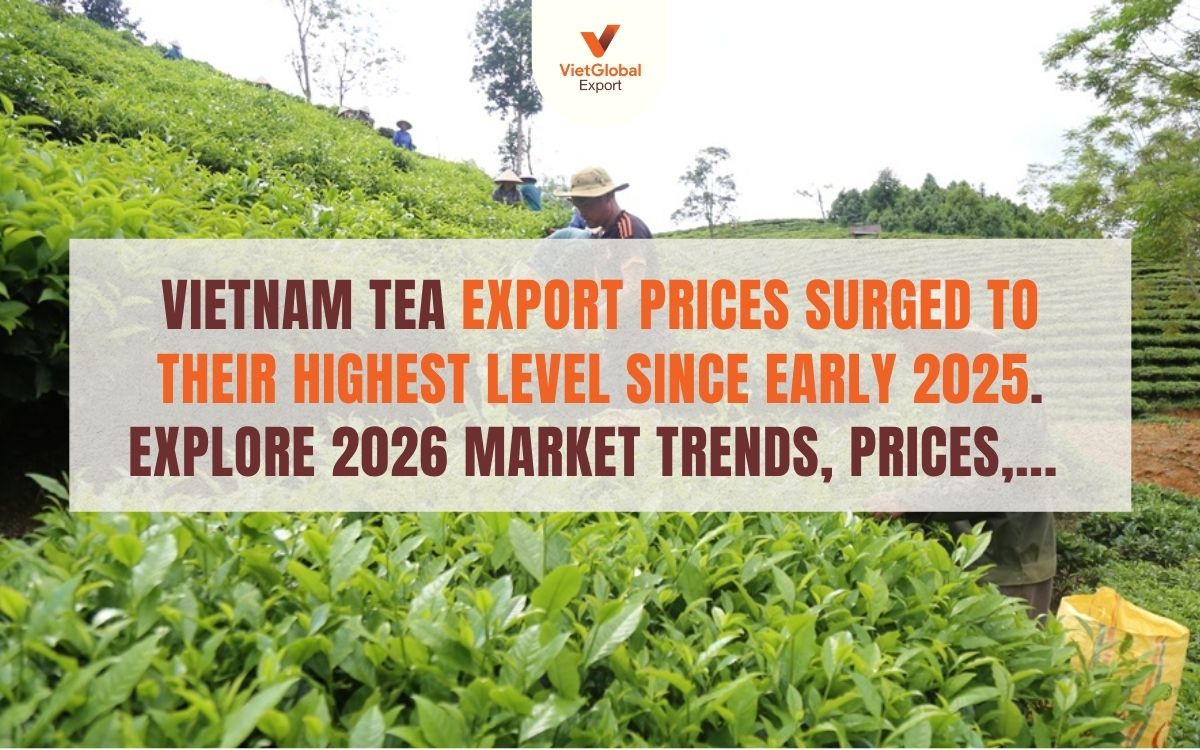
Vietnam remains one of the world’s major tea-producing and exporting countries, but the country’s tea export market is changing.
In the first seven months of 2026, Vietnam exported 64.48 thousand tonnes of tea worth USD 116.79 million. Export volume decreased by 9.9% compared with the same period in 2025, while export value declined by only 3.3%.
At the same time, the average export price increased to USD 1,811 per tonne, up 7.4% year on year. In July alone, the average export price reached USD 2,059 per tonne, the highest monthly level recorded since the beginning of 2025.
For international buyers, these figures tell an important story: Vietnam’s tea market is not simply becoming smaller. It is gradually moving toward higher-value products and more diversified export markets.
So, what is happening in Vietnam’s tea industry in 2026, and what does it mean for buyers sourcing Vietnamese tea?
Vietnam tea export in the first seven months of 2026
Vietnam’s tea exports experienced a noticeable recovery in July after a weaker June.
In July 2026, Vietnam exported approximately 13.51 thousand tonnes of tea, worth USD 27.82 million. Compared with June, export volume increased by 70.7% and export value rose by 91.9%.
Compared with July 2025, volume was slightly lower, down 1.4%, but export value increased by 15.1%.
The increase in July was partly seasonal. June coincided with the transition between the spring and summer tea crops, when fresh raw material was temporarily less available in several major growing areas. By July, tea entered a more active harvesting period, improving raw material availability for processing and export.
However, looking at the first seven months as a whole, Vietnam’s tea exports remained below the previous year’s level.
| Vietnam tea export | Jan–Jul 2026 | Change vs. Jan–Jul 2025 |
| Export volume | 64.48 thousand tonnes | -9.9% |
| Export value | USD 116.79 million | -3.3% |
| Average export price | USD 1,811/tonne | +7.4% |
The key point is the difference between volume and value.
Vietnam exported less tea, but the value declined much more slowly because the average export price increased. This suggests that product value, quality positioning and market mix are becoming increasingly important to the Vietnamese tea industry.
Tea export prices are moving higher
One of the most notable developments in 2026 is the improvement in Vietnam’s average tea export price.
In July 2026, the average export price reached USD 2,059 per tonne, up 12.4% from June and 16.7% from July 2025.
This was the highest monthly average export price since the beginning of 2025.
For buyers, rising export prices do not necessarily mean that all Vietnamese tea has suddenly become more expensive. Average export prices are influenced by the product mix, destination markets, quality levels and type of tea being exported.
Higher-value orders can push the average price upward even when conventional bulk tea prices remain more competitive.
This distinction is important when sourcing from Vietnam. Buyers should therefore avoid looking at an average market price alone and instead compare suppliers based on the exact tea type, grade, origin, processing method, quality specification and packaging required.
Vietnam’s tea export market is becoming more diversified
For many years, Pakistan was the most important export destination for Vietnamese tea. It remains Vietnam’s largest tea export market in the first seven months of 2026, but its share has fallen sharply.
Exports to Pakistan decreased by 66.8% in volume and 66.2% in value compared with the same period in 2025. Its share of Vietnam’s total tea export volume fell from 33.39% to 12.30%.
This is a significant change.
At the same time, other markets are becoming more important.
Taiwan (China) moved into second place, importing approximately 7.75 thousand tonnes, equivalent to 12.02% of Vietnam’s total export volume. Volume increased slightly by 0.4%, while export value increased by 12.3%.
China remained another major destination, although exports declined by 18.5% in volume.
Meanwhile, several other markets recorded positive growth, including the United States, Russia, Malaysia, the Philippines, Türkiye, Germany and Ukraine.
Türkiye was particularly notable, with tea export volume increasing by more than 280% year on year, although from a relatively small base.
The broader trend is clear: Vietnam is becoming less dependent on a single traditional market and gradually expanding into a wider range of destinations.
For international buyers, this diversification is a positive signal. It indicates that Vietnamese tea suppliers are gaining access to markets with different quality requirements, product preferences and price levels.
Premium tea markets are creating new opportunities for Vietnam
The global tea industry is also undergoing a structural change.
Major producing countries are increasingly looking beyond bulk tea and focusing on specialty products, branded tea, premium varieties and value-added processing.
Kenya, for example, is working to strengthen its position in specialty and higher-value tea products instead of relying solely on bulk exports. Sri Lanka, meanwhile, has faced pressure from rising production costs and lower output.
This creates opportunities for other producing countries, including Vietnam.
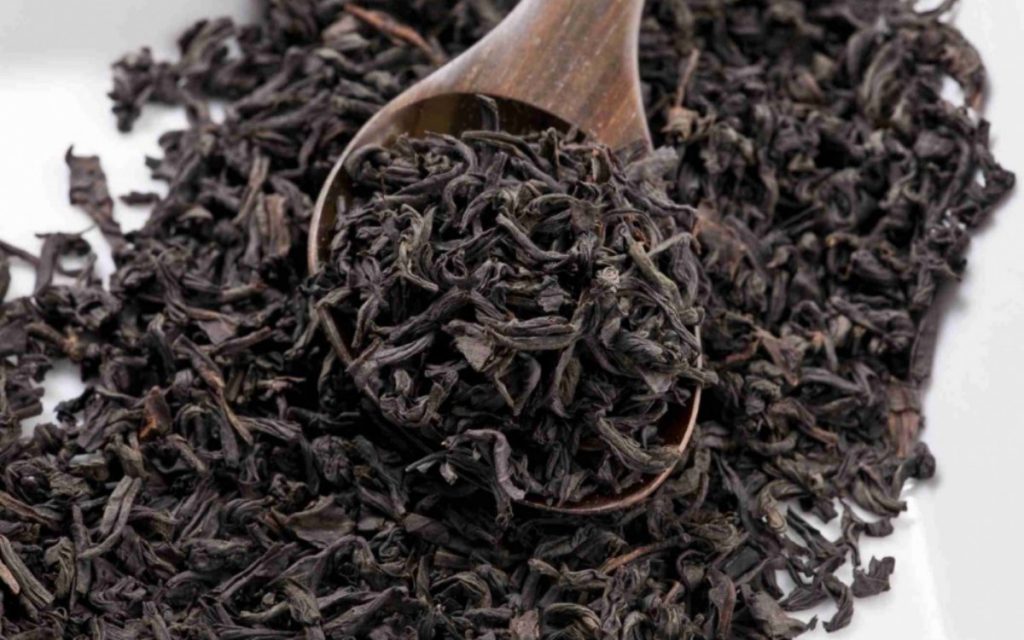
Vietnam has traditionally competed strongly in mainstream tea, but there is increasing potential in higher-quality green tea, black tea and specialty products.
The United Kingdom is an interesting example.
Vietnamese tea exports to the UK recorded strong growth in the first two months of 2026. Vietnam has also become the third-largest supplier of green tea to the UK, accounting for around 15% of the country’s green tea import volume.
This development reflects a broader consumer trend. Tea is increasingly positioned not only as a traditional beverage but also as part of a health-conscious lifestyle.
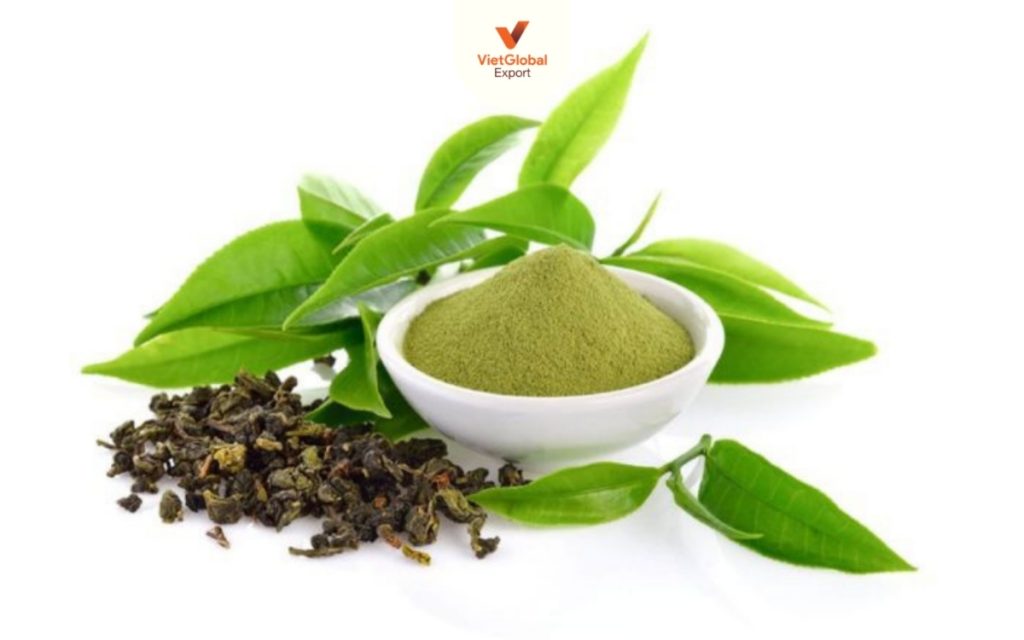
Green tea, in particular, benefits from consumer interest in natural products and compounds such as polyphenols, catechins and L-theanine.
For Vietnamese suppliers, this creates an opportunity to move beyond price-based competition and develop products designed for specific consumer and industrial applications.
Vietnam has a strong production base
Vietnam’s opportunity in the global tea market is supported by a large and diverse production base.
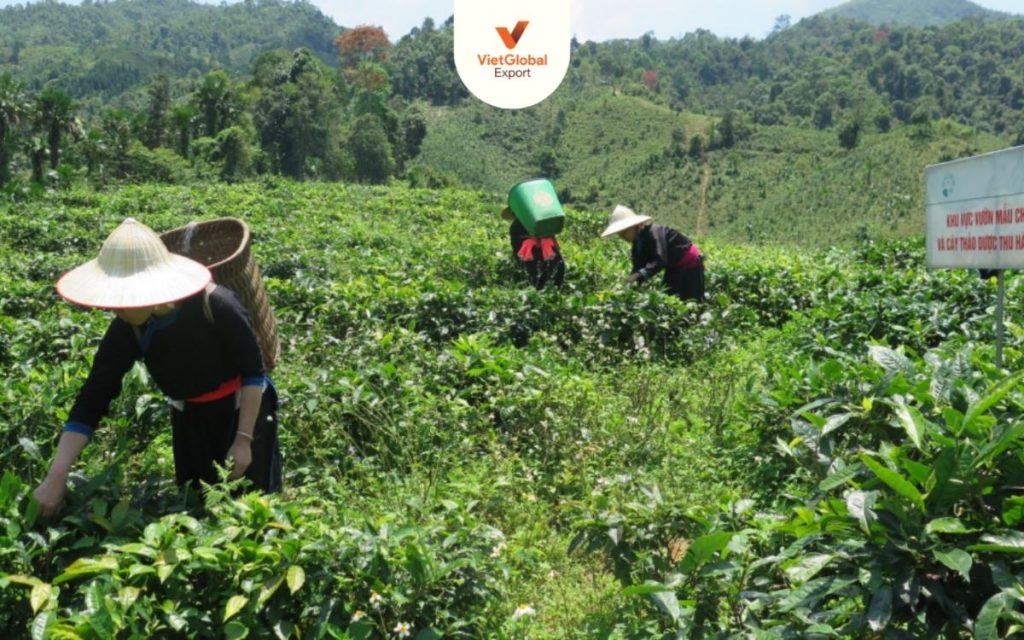
The country is currently among the world’s major tea producers and exporters, with growing areas extending from the northern midlands and mountainous regions to the Central Highlands.
Important tea-producing areas include Thai Nguyen, Phu Tho and Lam Dong, together with several northern mountainous provinces.
Vietnam exported approximately 136,952 tonnes of tea worth nearly USD 238 million in 2025.
Although total export volume decreased compared with 2024, the country’s production capacity remains substantial.
Another important development has been productivity.
Vietnam’s tea-growing area decreased from its 2015 peak of approximately 133,600 hectares to around 121,900 hectares in 2024. However, fresh tea bud production increased from about 570,000 tonnes in 2005 to more than 1.15 million tonnes in 2024.
This improvement has been supported by the adoption of newer tea varieties and better cultivation practices.
For buyers, this means Vietnam continues to have a relatively strong and stable raw material base for both conventional and higher-value tea products.
Quality and traceability will become more important
Higher productivity alone is not enough to move Vietnamese tea into premium markets.
One of the biggest challenges is quality consistency, particularly pesticide residue and maximum residue limit (MRL) compliance.
As buyers in Europe, the United States, the UK and other developed markets apply increasingly strict food safety requirements, Vietnamese tea suppliers need stronger control over cultivation, processing, testing and traceability.
This is especially important for buyers who are not simply purchasing tea for domestic wholesale but supplying food manufacturers, retail brands or premium consumers.
A reliable supply chain therefore needs to connect:
farm → raw material → processing → testing → packing → export documentation.
For international buyers, this traceability can be just as important as the appearance or taste of the tea itself.
From bulk tea to value-added tea
Perhaps the biggest long-term opportunity for Vietnam is moving further up the value chain.
Vietnam’s tea exports have historically been concentrated in relatively conventional products, which makes it difficult to achieve the same price levels as countries with stronger premium positioning.
The global market, however, is increasingly looking for products that offer more than raw agricultural value.
These include:
- Specialty green tea
- Premium black tea
- Blended and flavored teas
- Tea extracts
- Instant tea ingredients
- Tea concentrates
- Retail-ready products
- Private-label tea
Processing technology will play an increasingly important role in this transition, including advanced drying, extraction and concentration technologies, as well as better packaging and quality-control systems.
For buyers, this creates more possibilities to source not only bulk Vietnamese tea, but also products tailored to specific applications, markets and consumer segments.
What does the 2026 market mean for tea buyers?
The current market suggests several important points for international buyers.
First, Vietnamese tea prices are moving upward, particularly for higher-value products. Buyers should therefore compare quotations based on exact specifications rather than relying on a general market price.
Second, supply is becoming more diversified by destination. The sharp decline in exports to Pakistan is being partly offset by growth in markets such as the UK, the US, Russia, Germany and Türkiye.
Third, quality requirements are becoming more important. Buyers targeting premium markets should discuss MRLs, microbiological requirements, testing, traceability and documentation before confirming an order.
Finally, Vietnam’s competitive advantage is increasingly shifting from simply supplying large volumes of tea toward supplying the right tea for the right market.
Vietnam tea export outlook
Vietnam’s tea industry is entering a period of transition.
The first seven months of 2026 show a market with lower export volume but higher average value. At the same time, the export market is becoming more diversified and premium segments are creating new opportunities.
For buyers, this means Vietnam should not be viewed only as a source of low-cost bulk tea.
The country has a broad production base, established export experience and growing potential in quality-focused green tea, black tea and value-added tea products.
The challenge now is to build more consistent quality, stronger traceability and better product positioning.
For international buyers looking to source from Vietnam, understanding these changes can help identify the right products, suppliers and purchasing strategy before the market becomes more competitive.
Looking to source Vietnamese tea for wholesale, manufacturing or private-label applications? VietGlobal Export can support product sourcing, specification matching, quality control and export documentation based on your target market.
We don’t just export – we represent you in Vietnam.
