
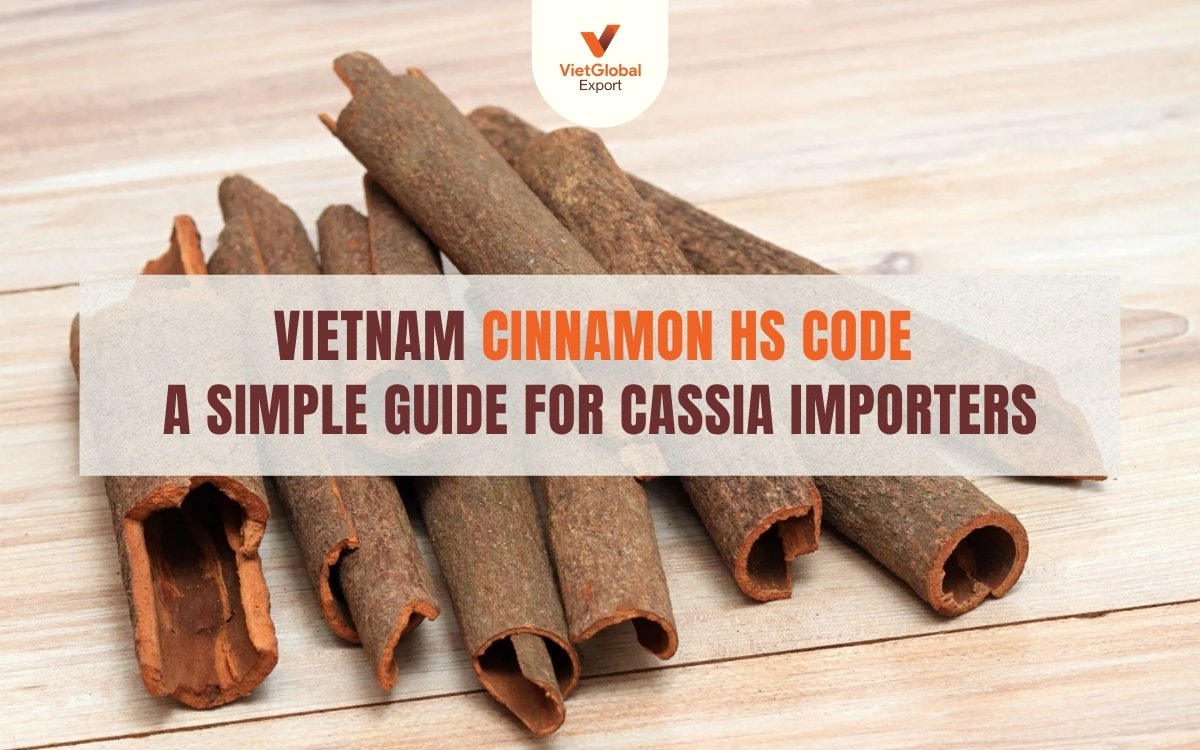
The main HS codes buyers commonly see for Vietnamese cinnamon are 09061100 and 09061900 for cinnamon that is neither crushed nor ground, and 09062000 for crushed or ground cinnamon. In actual Vietnam cinnamon export documents, both 09061100 and 09061900 are commonly used, so buyers should confirm the code agreed for each shipment rather than assuming there is only one code used in practice.
The situation becomes a little more interesting when you move beyond cinnamon bark. What about cinnamon powder, broken cassia, square-cut cinnamon, leaves, branches, petioles or flower buds?
If you import cinnamon from Vietnam, understanding the basic structure of the HS code makes it much easier to review quotations and shipping documents before the goods leave Vietnam.
First, what is Vietnamese cinnamon?
Vietnam is well known for cassia cinnamon, often called Vietnamese cassia or Saigon cinnamon in international trade.
In commercial documents, the botanical name Cinnamomum cassia is commonly used. Botanical databases may also refer to Cinnamomum aromaticum, a species whose native range includes Vietnam and southeastern China.
For most buyers, however, the practical point is simpler: Vietnamese cassia is different from the cinnamon specifically described in the HS system as Cinnamomum zeylanicum Blume.
This distinction is one reason you may see more than one HS code when sourcing cinnamon from Vietnam.
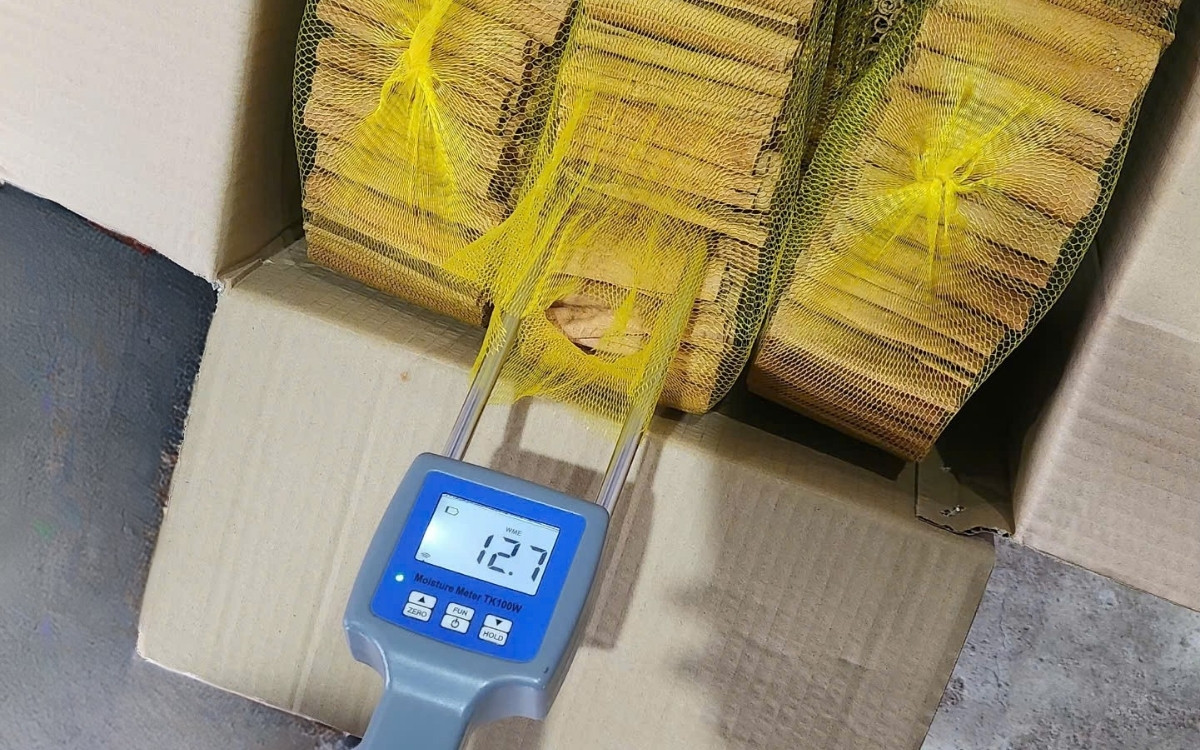
Cinnamon starts from Chapter 09
To understand the Vietnam cinnamon HS code, start with the broader classification.
Cinnamon belongs to:
Chapter 09 – Coffee, tea, maté and spices
Within Chapter 09, heading 0906 is specifically for:
Cinnamon and cinnamon-tree flowers.
The current international HS structure breaks heading 0906 into three main categories:
| HS code | Description |
| 09061100 | Cinnamon (Cinnamomum zeylanicum Blume), neither crushed nor ground |
| 09061900 | Other cinnamon, neither crushed nor ground |
| 09062000 | Cinnamon, crushed or ground |
On paper, the difference looks straightforward.
In real cinnamon trade from Vietnam, however, buyers may encounter both 09061100 and 09061900 across invoices, Certificates of Origin and other export documents for Vietnamese cinnamon.
That is why it is useful to understand both the official description and the way the product is being handled in the actual shipment.
09061100 or 09061900: Which code is used for Vietnamese cinnamon?
This is probably the question most importers are really trying to answer.
According to the official tariff wording, 09061100 specifically refers to Cinnamomum zeylanicum Blume, while 09061900 covers other cinnamon that is neither crushed nor ground.
Based purely on that wording, Vietnamese cassia would naturally point buyers toward the “other cinnamon” category.
But documentation practice is not always that simple.
In current Vietnam cinnamon trade, 09061100 and 09061900 are both commonly seen in export documents. Different exporters, customers and shipments may therefore use different codes even when the goods are Vietnamese cinnamon bark.
For a buyer, the useful takeaway is not to look at one supplier’s documents and immediately conclude that another supplier’s code must be wrong.
Instead, check three things together: the actual product, the code used by the exporter in Vietnam, and the code accepted by your customs broker or authority at destination.
This becomes especially important when the HS code is also used on a Certificate of Origin for preferential tariff treatment.
What is the HS code for cinnamon sticks and cassia bark?
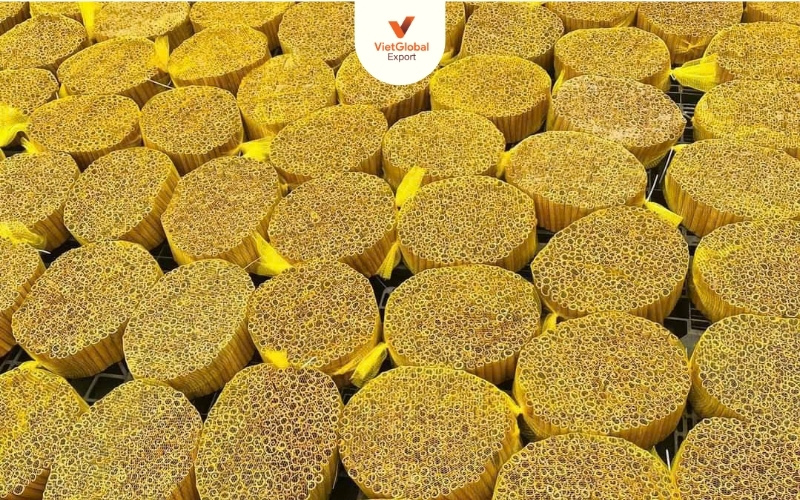
For cinnamon that remains in its original bark form and is neither crushed nor ground, buyers will normally see either 09061100 or 09061900 in Vietnam export documentation.
This category can include common products such as cinnamon sticks, tube cassia, cigarette cassia and split cassia.
Cutting a long piece of cinnamon into shorter lengths does not automatically make it “crushed or ground.”
The important question is whether the product still remains recognizable as cinnamon bark.
What about broken cassia and square-cut cinnamon?
This is another area where product names can cause confusion.
Words such as broken, cut, chips and crushed may sound similar, but they do not always describe the same physical product.
Square-cut cassia, for example, is simply cinnamon bark cut into a specified size. It is still clearly recognizable as pieces of bark.
Broken cassia can also remain in visible pieces rather than being crushed into small particles.
So a product should not automatically move to 09062000 just because it has been cut or broken.
For these products, buyers should look at the actual form of the material and make sure the product description on the invoice matches the HS classification being used.
What is the HS code for cinnamon powder?
Cinnamon powder is much easier to identify.
Once cinnamon has been crushed or ground, the relevant heading becomes:
09062000 – Cinnamon, crushed or ground.
This is generally the code buyers will see for ground Vietnamese cassia and cinnamon powder.
So two products coming from exactly the same cassia bark can have different classifications simply because one remains as bark while the other has been ground.
For example:
Cassia stick → 09061100 or 09061900 may appear in Vietnam documentation
Cassia powder → 09062000
That is why product form should always be confirmed before final export documents are prepared.
What is the HS code for cinnamon flower buds?
There is an interesting detail in the wording of heading 0906.
It does not say only “cinnamon.” It says:
“Cinnamon and cinnamon-tree flowers.”
So cinnamon flower buds are clearly connected to heading 0906.
For whole Vietnamese cassia flower buds that have not been crushed or ground, 09061900 is a reasonable classification starting point, based on the “other cinnamon” category.
If the product is processed further, however, its final physical form should be reviewed before documents are issued.
What about cinnamon leaves, branches and petioles?
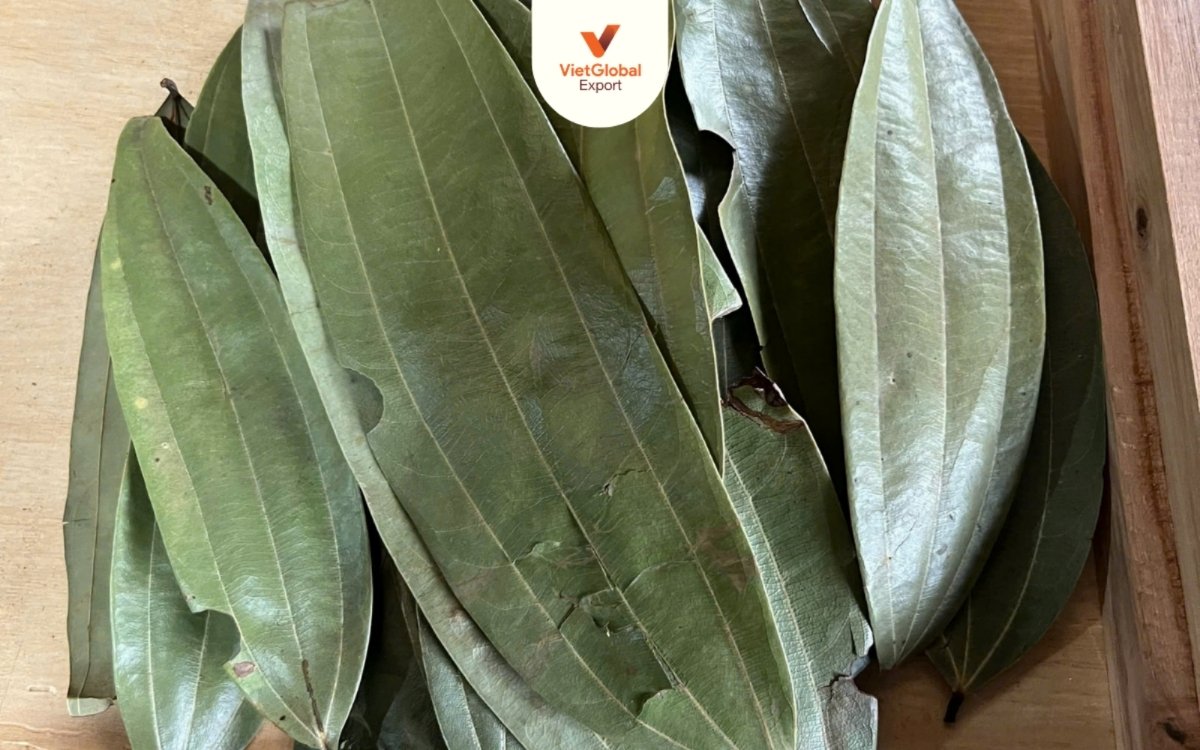
Here buyers need to be more careful.
Unlike cinnamon-tree flowers, leaves, branches and petioles are not specifically named in the wording of heading 0906.
That means it is risky to automatically copy the bark HS code onto every part of the cinnamon tree.
For products such as cassia leaves, cinnamon branches or cassia petioles, classification may depend on how the goods are presented and their intended use. A product being imported as a culinary spice may be treated differently from plant material intended mainly for extraction, pharmaceutical or other processing purposes.
Rather than forcing one universal code onto these products, we recommend confirming the classification with the buyer’s customs broker before shipment.
A photo, botanical name, product specification and clear description of the intended use can make that conversation much easier.
The same caution applies to products such as cassia husk or skin, where the exact physical material should be understood before agreeing on the final customs description.
Which cinnamon products does VietGlobal Export offer?
Cinnamon is not a one-format product.
Different importers require different cuts, shapes and raw materials depending on whether the cinnamon will be resold, packed for retail, ground into powder or used as an ingredient.
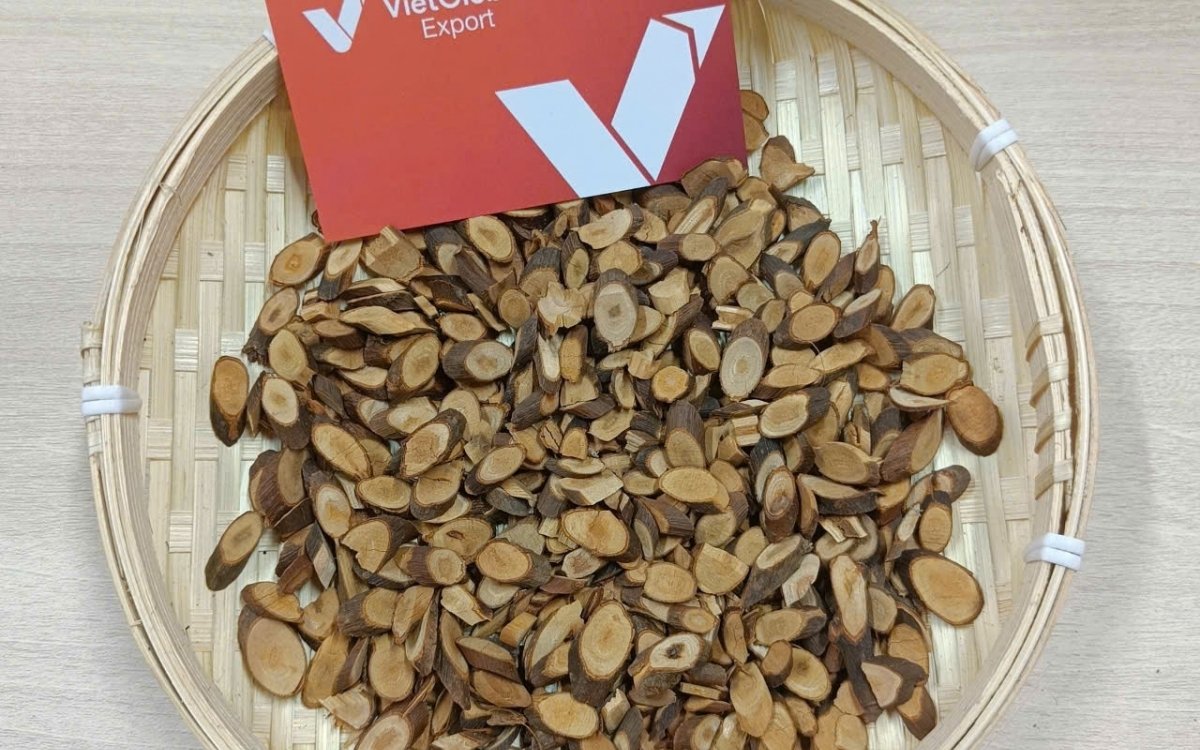
VietGlobal Export currently offers a broad range of Vietnamese cassia products, including cigarette cassia, stick cassia, tube cassia, broken cassia, square-cut cassia, split cassia, pressed cassia, peeled tube cassia and cassia powder.
Other cinnamon-tree products available through VGE include cassia leaves, cassia husk/skin, cassia petioles and cassia flower buds.
This product range is a good example of why an RFQ that simply says “Vietnam cinnamon” may not provide enough information.
Before quotation and documentation, it is better to define exactly which part of the plant, which product form and which processing level you require.
Does the same HS code apply in every importing country?
Not always.
The HS system is internationally harmonized through the first six digits. Countries can then add extra digits for their own tariff and customs requirements.
For example, the international subheading is:
0906.19
Vietnam expresses it as:
0906.19.00
The final code used by an importer in another country may contain additional digits.
So even when the Vietnamese exporter provides an HS code on the quotation, the buyer should still confirm the final import classification with the customs broker at destination.
This is particularly useful before checking import duty or preferential tariff rates.
Which documents should buyers check before shipment?
Getting the HS code right is only one part of the job. The bigger issue is making sure all documents describe the same product consistently.
For a normal Vietnamese cinnamon shipment, the document set may include the commercial invoice, packing list, Certificate of Origin, phytosanitary certificate, Certificate of Analysis and Bill of Lading. The exact documents required will depend on the destination market and buyer’s contract.
For example, if the cargo is cinnamon powder, the invoice should not describe it as whole cassia sticks while another document uses HS 09062000.
Likewise, if 09061100 has been agreed for the shipment, suddenly changing to 09061900 on one document without checking the rest of the document set can create unnecessary questions.
The best time to confirm these details is before loading, not after the vessel has sailed.
Frequently asked questions about Vietnam cinnamon HS codes
What is the HS code for Vietnamese cinnamon?
For Vietnamese cinnamon that is neither crushed nor ground, buyers commonly encounter 09061100 and 09061900 in Vietnam export documents. Officially, 09061100 refers to Cinnamomum zeylanicum Blume, while 09061900 is “other” cinnamon.
What is the HS code for cinnamon powder from Vietnam?
Crushed or ground cinnamon is classified under 09062000.
Is square-cut cinnamon considered crushed cinnamon?
Not automatically. If it remains clearly identifiable as cut pieces of cinnamon bark, it should not be treated as ground cinnamon simply because it has been cut into smaller sizes.
What is the HS code for cinnamon leaves?
There is no code within heading 0906 that specifically names cinnamon leaves. The appropriate classification should therefore be confirmed according to the actual product, intended use and destination-country customs rules.
Should the buyer use exactly the same HS code shown by the Vietnamese exporter?
Not automatically. The exporter needs a code for Vietnam export procedures, while the buyer should confirm the appropriate import classification under the destination country’s tariff system.
Final takeaway
When buyers ask for the Vietnam cinnamon HS code, the practical answer is:
09061100 and 09061900 are both commonly seen for Vietnamese cinnamon that is neither crushed nor ground, while 09062000 is used for crushed or ground cinnamon.
But the HS code should never be considered separately from the actual goods.
A cinnamon stick, square-cut bark, powder, flower bud and cinnamon leaf may all come from the same tree, but they are not necessarily handled in exactly the same way for customs purposes.
At VietGlobal Export, we work with buyers from product selection and specification through documentation and shipment. If you already have an HS code used by your company or customs broker, share it with us at the quotation stage so both sides can review the product description and documentation requirements before shipment.
We don’t just export – we represent you in Vietnam.
