


- Description
- Additional information
- Reviews (0)
Description
Are you searching for a type of cinnamon that offers a rich aroma, solid quality, and exceptional convenience in handling and shipping? If so, let me introduce you to Pressed Cassia from Vietnam — a practical, cost-effective, and export-ready format that’s gaining popularity worldwide. Whether you’re a wholesaler, distributor, or spice manufacturer, this form of cassia might just be the perfect match for your business.
What is Pressed Cassia?
Pressed Cassia (also known as compressed cinnamon) is made by taking various parts of cinnamon bark — often thick or thin tube cassia, sometimes with a mix of broken pieces or skin/husk cassia — and compressing them into neat, compact blocks. The exact composition can vary based on the customer’s quality and price requirements. Higher-end pressed cassia will consist mostly of clean, thick tube cassia, while more budget-friendly options may include some chips or bark shavings.
This product is made using machines that apply strong pressure, creating dense square bricks of cassia. Unlike traditional sticks or tubes, these cinnamon blocks are tidy, easy to stack, and incredibly efficient for bulk transport. Say goodbye to irregular pieces and hello to uniform, manageable loads. With Pressed Cassia, shipping becomes smoother, storage is simplified, and you get more out of every container.
Imagine loading a container that’s fully optimized — every inch used up with fragrant, tightly packed cassia blocks. That’s what makes this product so attractive for bulk buyers and logistics-savvy importers.

Pressed Cassia vs Other Cinnamon Forms
Cinnamon doesn’t come in just one shape or form — and each type serves its own purpose depending on how it’s processed and used. If you’re sourcing cinnamon in bulk, it’s important to understand these differences so you can choose the best match for your business.
Stick Cassia
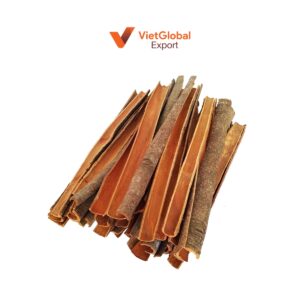
These are straight cinnamon sticks — classic, elegant, and perfect for retail spice packaging. Their uniform shape and nice appearance make them ideal for supermarkets, specialty food stores, or gift boxes. If you’re selling to end consumers who value visual appeal, stick cassia might be what you need. However, the neat appearance also comes with a higher price.
Split Cassia
This is a popular and practical format, especially for everyday cooking. The sticks are split lengthwise, making them easier to break down and ideal for releasing flavor in dishes like soups, stews, broths, or rice-based meals. Split cassia is most commonly used whole — not ground — and preferred by chefs, restaurants, and spice distributors. You’ll often find it in kitchens throughout South and Southeast Asia, where its sweet and spicy flavor brings warmth to traditional recipes.
Split cassia, like the one shown in the image, offers a great balance between usability and cost. It doesn’t have the same decorative look as tube or stick cassia, but it’s highly practical and delivers strong flavor — exactly what most food-service professionals are after.
Tube Cassia
Tube cassia is made from thicker bark that’s carefully rolled into tight, tube-like curls. It’s often used in tea blends, infusions, or long-simmering dishes where flavor needs to be released slowly. Thanks to its beautiful roll and reddish-brown color, it’s also popular in premium spice packaging or for use in cafes and herbal beverage shops. This format holds its shape well and looks appealing, but like stick cassia, it usually comes at a higher price point.
Cigarette Cassia
These are smaller rolls, curled tightly to resemble a cigarette — usually 8–12 cm long. Despite the small size, they pack a punch in terms of aroma and essential oil content. Cigarette cassia is often considered a high-end product used in specialty food, health, and aromatherapy industries. It requires a lot of manual labor to produce and is priced accordingly.

Broken Cassia
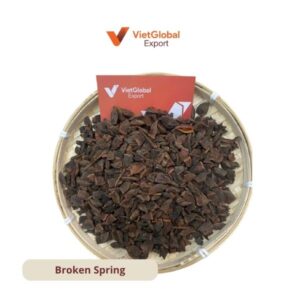
As the name suggests, this includes irregular fragments of cinnamon bark — leftover pieces from processing stick, tube, or split cassia. While they may not look pretty, they still retain much of the essential oil and aroma, making them ideal for grinding into cinnamon powder, essential oil extraction, or further processing. Broken cassia is commonly used in industrial applications and offers excellent value for large-scale use.
Let’s take a quick look at how Pressed Cassia compares with other cinnamon formats you might be familiar with:
| TYPE | SHAPE | KEY FEATURES |
| Stick Cassia | Straight cinnamon sticks | Aesthetic, decorative, premium pricing |
| Split Cassia | Half-cut tubes | Cost-effective, ideal for cooking; easy to use in soups and stews |
| Tube Cassia | Rolled tube | Popular for brewing, teas, and slow cooking |
| Cigarette Cassia | Rolled like small cigarettes | Premium look, strong aroma, considered high-end |
| Broken Cassia | Small irregular pieces | Ideal for grinding or extract use, budget- friendly |
| Pressed Cassia | Compact cinnamon blocks | Best for saving space, reducing cost, and easy logistics |
As you can see, each format has its own advantages. But if your priority is efficiency in shipping, consistency in packaging, and lower costs, then Pressed Cassia from Vietnam is a clear winner.
Why Choose Pressed Cassia from Vietnam?
Pressed Cassia isn’t just about saving space — it’s about delivering value, quality, and reliability. Here are the top reasons why so many buyers around the world are turning to Vietnamese Pressed Cassia:
1. Consistent Size and Weight for Easy Handling
Each pressed block is carefully crafted with uniform weight and size. This consistency helps you manage your inventory more effectively, process shipments faster, and reduce handling time at your warehouse.
We offer a variety of weight options, including 15kg and 25kg per block. Need something more customized? Just let us know — we’re flexible and can meet your unique requirements.
2. Lower Risk of Mold and Damage
Cinnamon is a natural product, and moisture can be a problem. That’s why our Pressed Cassia blocks are dried and packed with a moisture content below 13.5%. This prevents mold growth, breakage, or crumbling during transit — especially useful for long-distance shipping or humid climates.
If you’ve ever had to reject a shipment because of mold or product damage, you’ll immediately see the value in this careful processing and packaging method.
3. Budget-Friendly Yet High in Aroma
Here’s something many buyers love: Pressed Cassia is made from cinnamon bark that might otherwise be discarded — like broken or non-standard pieces. By compressing them into blocks, we reduce waste while maintaining the full fragrance and oil content of Vietnamese cassia.
You get the same rich, warm aroma and strong flavor typical of Vietnam’s cinnamon — without the high price tag. It’s a great option for value-conscious buyers who still want quality.
MOQ, Packaging & Shipping – Designed with You in Mind
At VietGlobal Export, we tailor our pressed cassia packaging to meet your business needs. Here’s what to expect:
- Block weight options: 15kg and 25kg (customised upon request)
- Moisture content: ≤13.5%
- Color: Reddish to dark brown
- Oil content: 2–4% (subject to harvest and tree age)
- Packaging: Kraft-lined cartons, PE inner bags, vacuum seal available
- MOQ: One 20ft container (~12 MT); 40ft HQ (~25 MT)
- Shipping port: Hai Phong, Vietnam
All shipments come with standard export documentation including Phytosanitary Certificate, Certificate of Origin, and HACCP/ISO food safety certificates.
Who We Are – VietGlobal Export, Your Trusted Cinnamon Supplier
Still deciding on a supplier? Let us introduce ourselves.
VietGlobal Export is a leading Vietnamese exporter of cinnamon and other agricultural products. We source our Pressed Cassia from renowned cinnamon-growing regions like Yen Bai, Lao Cai, where the spice has been cultivated for generations.
Here’s what makes us different:
– Traceable Supply Chain: We work directly with farmers and processors, ensuring transparency from farm to port.
– Free Samples and Real Videos: Want to see the product in action? We’re happy to send you samples or live factory footage.
– Dedicated Support: From your first inquiry to the final shipment, our friendly team will guide you through the entire import process.
Whether you’re importing cinnamon for spice blending, essential oil production, or repackaging for retail — we’re here to deliver quality, consistency, and peace of mind.

Final Thoughts – A Smarter Way to Import Cinnamon
To sum it up: Pressed Cassia from Vietnam is more than just a smart shipping solution — it’s a reliable, aromatic, and cost-effective product that meets the needs of modern importers.
If you’re looking for a dependable supplier who understands your business, offers flexible options, and puts quality first — we invite you to work with us.
Additional information
| Moisture | 13.5% max |
|---|---|
| Oil content | >2.5% |
| Thickness | 1-2.2mm |
| Admixture | 1% max |
| Standard Packing | Carton (net 15-25 kgs) |
| Container Capacity | 12MT/ 20FT, +25 MT/40FT |

Reviews
There are no reviews yet.