
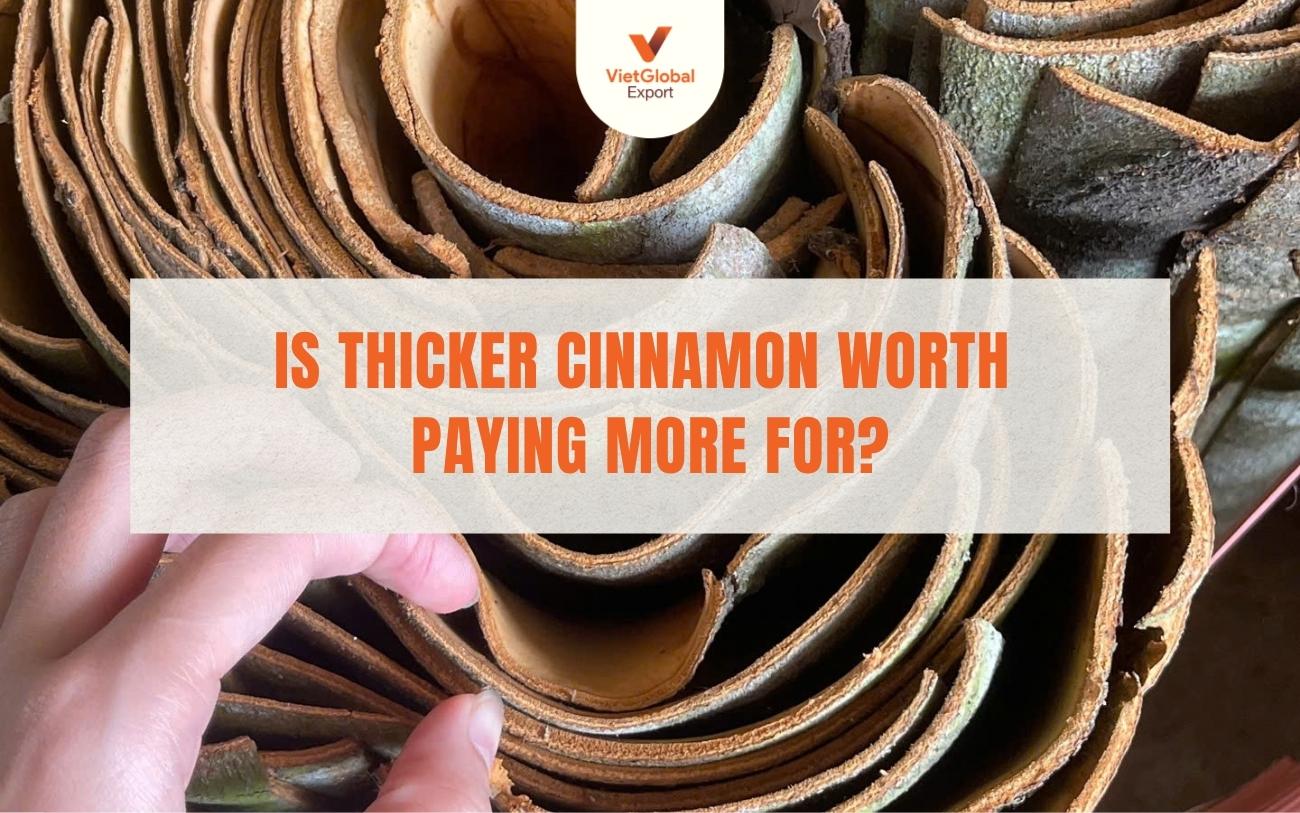
Pick up two pieces of Vietnamese cassia cinnamon and the difference can be obvious.
One piece is thick, dense and heavy in the hand. The other is thinner and curls more tightly as it dries. Which one should cost more?
Many buyers instinctively choose the thicker bark. It seems logical: thicker bark looks more substantial, may come from a more mature tree and often gives the impression of higher quality.
But in commercial cinnamon sourcing, thicker does not automatically mean better—and it does not always mean more expensive.
Cinnamon bark thickness is a useful specification, especially for whole-bark products such as cigarette cassia, sticks and tubes. However, price is also influenced by volatile oil content, moisture, appearance, roll percentage, origin, processing quality and, most importantly, what the buyer intends to do with the product.
Understanding these relationships can help importers avoid paying a premium for a specification that does not actually improve their final product.
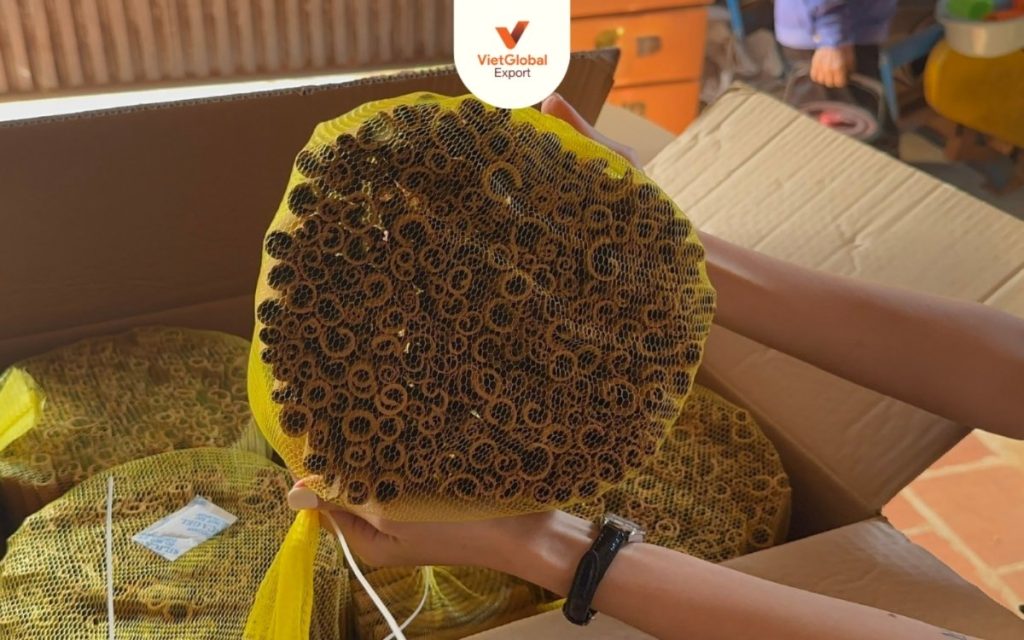
Why does cinnamon bark thickness matter?
Cassia bark does not naturally grow to one uniform thickness.
Thickness varies according to tree maturity, growing conditions and the position from which the bark is harvested. In general, older cinnamon trees develop thicker bark as they mature. Bark taken from different parts of the same tree may also vary, with lower trunk sections often developing differently from upper sections.
This natural variation is why commercial buyers normally work with a minimum thickness or an acceptable range, rather than expecting every piece to have exactly the same measurement.
Thickness matters most when it affects the physical form of the finished cinnamon.
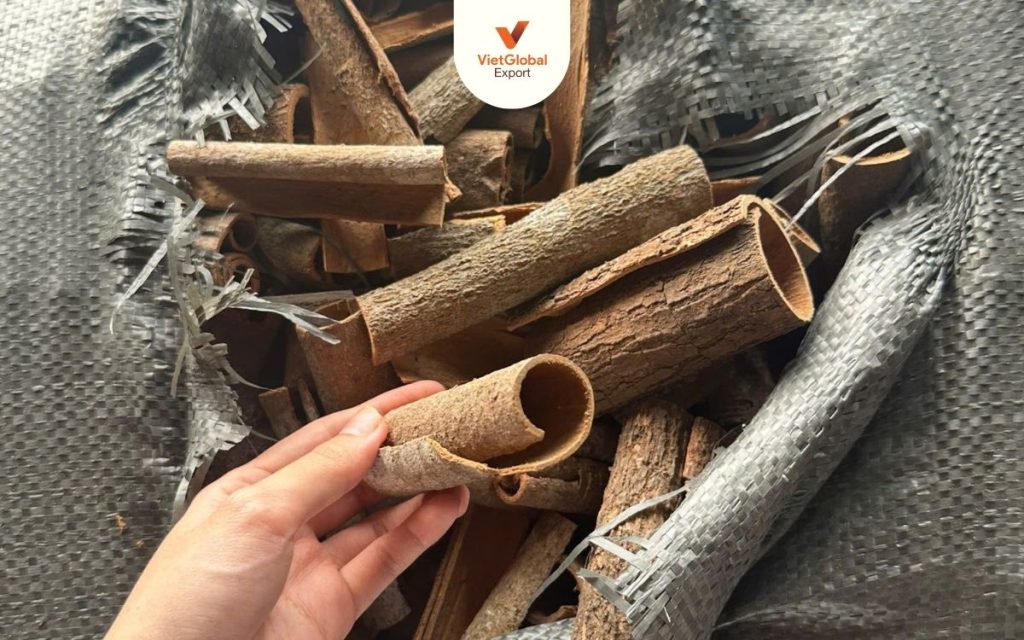
For example, a buyer sourcing whole cinnamon sticks may want bark that is strong enough to keep its shape during handling and transportation. A buyer purchasing peeled tube cassia may intentionally require a much thicker bark because the substantial appearance is part of the product itself.
By contrast, a manufacturer grinding cassia into powder may care much less about bark thickness and far more about oil content, cleanliness and food-safety requirements.
So thickness is important, but only in relation to the intended use.
Does thicker cinnamon bark mean higher oil content?
Not necessarily.
This is one of the most common misunderstandings in cinnamon sourcing.
Tree maturity can influence both bark development and volatile oil accumulation, which explains why buyers often associate thicker bark with stronger aroma and higher oil content.
However, the relationship is not reliable enough to use thickness as a substitute for testing.
Scientific studies on Cinnamomum cassia have shown that volatile oil levels can vary with tree age, growing stage and even the position of the bark on the same tree. In other words, two pieces with similar thickness can still produce different oil results.
The reverse can also happen: a thicker piece does not automatically contain more volatile oil than a slightly thinner one.
For buyers, the practical rule is simple: If volatile oil matters to your application, specify the required oil content and test it directly.
Do not estimate oil performance from bark thickness alone.
Volatile oil and cinnamaldehyde are different specifications
Another point that often creates confusion is the difference between volatile oil content and cinnamaldehyde content.
They are related, but they are not the same measurement.
Volatile oil refers to the amount of essential oil obtained from the cinnamon bark. Cinnamaldehyde is one of the major aromatic compounds found within that oil and is largely responsible for cassia’s characteristic warm, sweet-spicy aroma.
So a specification such as: Volatile oil: 2–4%
does not mean: Cinnamaldehyde: 2–4%
For many commercial cassia orders, buyers use volatile oil as the more practical quality parameter. Buyers with specific extraction or formulation requirements may also request additional chemical analysis.
Being clear about which measurement matters can prevent misunderstandings when comparing supplier quotations.
How does cinnamon bark thickness affect price?
Thicker bark can sometimes command a higher price, but there is no universal formula that says: more thickness = higher price
Why? Because buyers rarely purchase thickness alone.
Imagine two cassia lots.
The first lot has noticeably thick bark, but its colour is uneven, aroma is average and rolling quality is inconsistent.
The second lot is slightly thinner but has stronger aroma, good volatile oil, controlled moisture and much better visual consistency.
For a food manufacturer or extraction customer, the second lot may offer better value.
For a buyer selling large whole tubes into a premium retail market, the thicker lot could be more suitable.
The important point is that commercial value depends on how well the total specification matches the application.
What else determines cassia cinnamon price?
Besides thickness, several other factors can change the final quotation.
Volatile oil content
Vietnamese cassia is particularly valued for its strong aroma and oil potential. Depending on product type and buyer requirements, commercial cassia may be supplied with different volatile oil specifications.
Higher-oil material can command a premium when flavour strength or extraction performance is important.
Moisture
Moisture directly affects storage stability.
Poorly dried cassia has a higher risk of mould, discoloration, musty odour and quality deterioration during long sea transportation.
A thick piece of cinnamon with excessive moisture should not be considered better simply because it looks more substantial.
Appearance and roll percentage
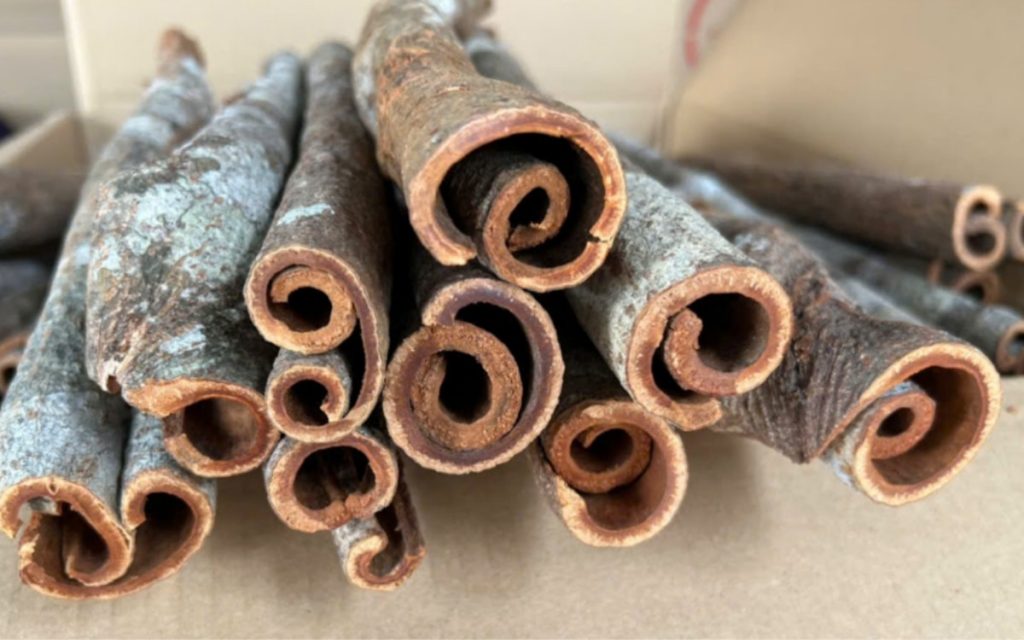
For cigarette cassia and decorative whole-bark products, appearance can have a major impact on value.
Buyers may pay more for uniform colour, consistent length and a high percentage of well-rolled pieces.
In these products, the thickest bark is not always the easiest bark to process. Very thick material may behave differently during rolling and drying, so processors need to match the raw bark to the required finished form.
Season and raw material availability
Cassia is an agricultural product, so price also changes with harvest timing and supply.
During the main peeling season, factories generally have more raw material to select from. In the off-season, specific thicknesses, oil levels or attractive whole-bark grades can become harder to source consistently.
This means two quotations for the same specification may still differ depending on when the order is placed.
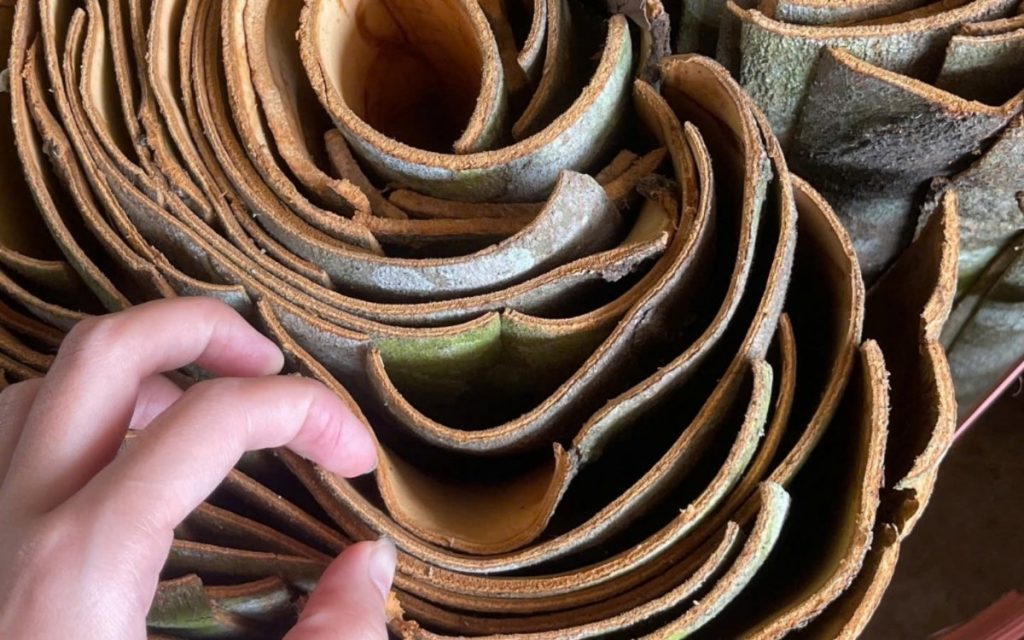
Different applications require different bark thickness
There is no single “best” cinnamon bark thickness.
The right specification depends largely on how the cinnamon will be used.
For whole cinnamon sticks or decorative products, buyers may pay more attention to bark structure, appearance, uniformity and the ability of the product to maintain its shape during handling and transportation.
For cigarette cassia, thickness also affects how the bark behaves during drying and rolling. Bark that is too thick or too rigid may not produce the same rolling result as material selected specifically for this format.
For grinding into cinnamon powder, however, thickness is usually much less important. Buyers may focus instead on volatile oil content, cleanliness, moisture, food-safety requirements and raw material consistency.
The same applies to extraction applications, where aroma strength, oil yield and chemical characteristics may matter more than the visual appearance of the bark.
This is why buyers should define the end use before deciding how much importance to place on thickness.
The better question is not: “What is the thickest cinnamon available?”
It is: “What bark specification is most suitable for my application?”
Is thicker cinnamon worth paying more for?
Sometimes yes. Sometimes no.
Thicker bark may justify a premium when it directly contributes to the appearance, structure or processing performance required for a specific product.
But thickness alone does not prove higher volatile oil, stronger aroma or better overall quality.
For most B2B buyers, cassia should be evaluated through a combination of: bark thickness + volatile oil + moisture + appearance + processing quality + intended use
Looking at these factors together gives buyers a much more accurate picture of value than comparing thickness alone.
At VietGlobal Export, we help buyers define cassia specifications around the way the product will actually be used-from whole cinnamon and cigarette cassia to grinding and industrial processing.
We don’t just export-we represent you in Vietnam.
If you are comparing Vietnamese cassia grades, share your application, target oil content, moisture requirements and preferred product form with our team. We can help identify a suitable specification before quotation and sampling.
