
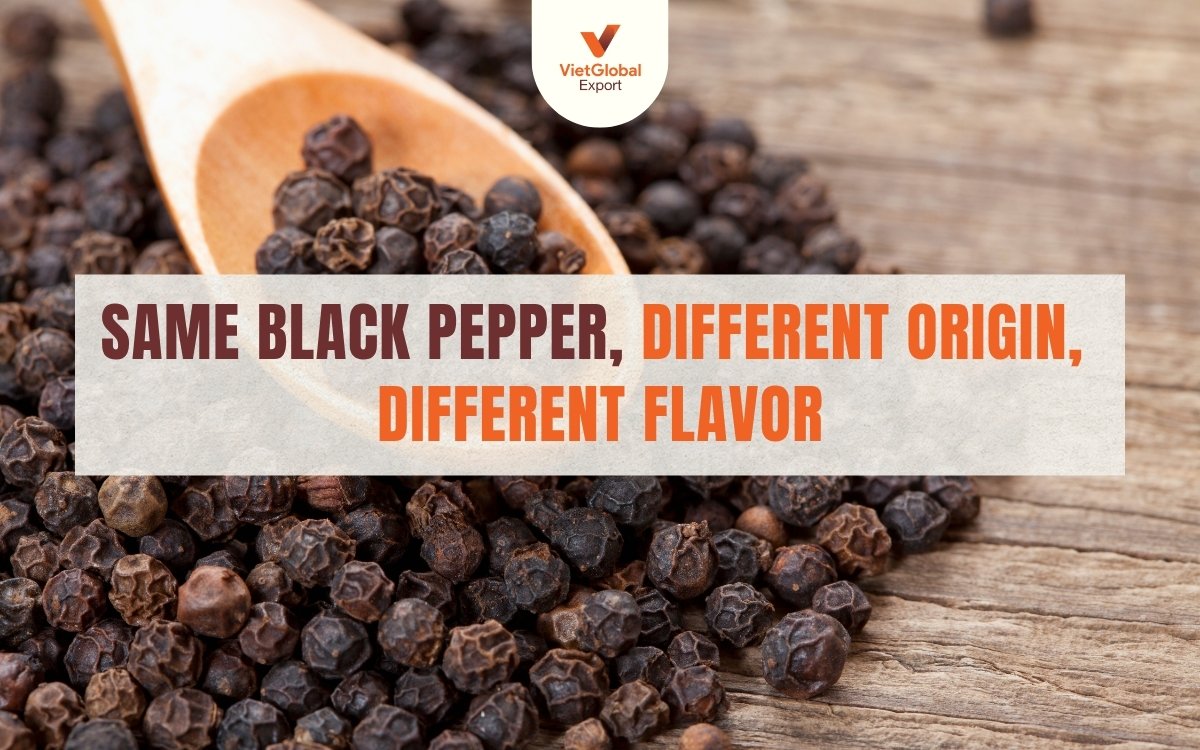
At first glance, black pepper may look simple. Small dried berries, dark color, spicy taste, and familiar aroma. But for experienced spice buyers, black pepper is never just “black pepper.” The origin matters more than many people think.
Pepper grown in Vietnam, Brazil, Indonesia, India, or Malaysia can be different in aroma, heat level, density, color, cleanliness, supply stability, and price structure. These differences come from climate, soil, farming practices, harvesting methods, drying, cleaning, grading, and storage.
That is why importers, wholesalers, spice blenders, and food manufacturers often compare pepper by origin before making a sourcing decision.
The key question is not simply: “How much is black pepper today?”
A better question is: “Which pepper origin is the right fit for my product and market?”
What makes pepper from each country different?
Black pepper from different origins comes from the same plant family, but the final product can perform differently.
Some origins are known for strong heat. Some are valued for aroma. Some are chosen because they offer large volume and stable supply. Others are preferred for premium retail products or specialty spice blends.
In commercial sourcing, buyers usually compare pepper based on:
- Density, such as 500 g/l, 550 g/l, or 580 g/l
- Moisture level
- Foreign matter and cleanliness
- Color and appearance
- Aroma and pungency
- Piperine level, if required
- Microbiological standards
- Steam sterilization or ASTA-grade requirements
- Packing and shipment conditions
Origin gives buyers a useful starting point, but specifications and supplier capability are what determine whether the product is truly suitable.
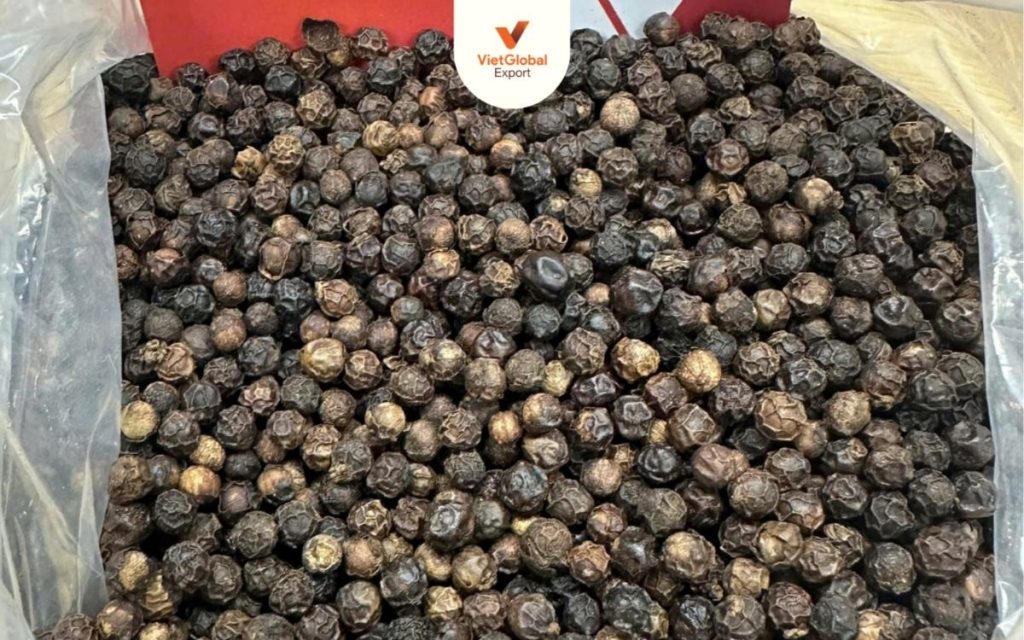
1. Vietnam black pepper: strong heat and reliable supply
A practical origin for global buyers
Vietnam is one of the most important pepper origins in the world. For many buyers, Vietnamese pepper is the benchmark origin for large-volume sourcing.
Vietnam black pepper is widely used by importers, wholesalers, grinders, spice blenders, seasoning companies, and food manufacturers because it offers a strong balance between quality, availability, and cost performance.
Vietnam can supply different commercial grades, including common density levels such as 500 g/l, 550 g/l, and 580 g/l. Both black pepper and white pepper are available, with options for FAQ, machine-cleaned, steam sterilized, or customized specifications depending on buyer requirements.
Flavor and application
Vietnam black pepper is generally known for:
- Bold heat
- Strong pungency
- Earthy and woody notes
- Good performance in industrial use
- Stable availability for bulk orders
It may not always be the most delicate or complex pepper origin in terms of aroma, but it performs very well in applications where buyers need strength, consistency, and reliable volume.
Vietnam pepper is suitable for:
- Spice blends
- Seasoning powders
- Instant noodles
- Sauces and marinades
- Processed foods
- Bulk wholesale distribution
- Grinding and repacking
For buyers who need dependable supply and flexible grading, Vietnam is often one of the first origins to consider.
2. Brazil black pepper: competitive and increasingly important
A strong alternative origin
Brazil has become an increasingly important black pepper origin, especially for buyers who want to diversify supply outside Asia.
Brazilian black pepper is often valued for its competitive pricing, clean appearance, and practical use in large-volume sourcing. It is commonly used in industrial grinding, seasoning production, and spice blending.
Compared with Vietnam pepper, Brazil pepper may feel slightly milder in some applications, with a clean and straightforward peppery profile. This makes it useful for buyers who want an alternative origin for blending or cost control.
When buyers choose Brazil pepper
Brazil pepper can be a good option when buyers are looking for:
- Competitive black pepper supply
- Origin diversification
- Industrial processing material
- Clean appearance
- Large-volume purchasing options
However, buyers should always compare samples before switching origins. A pepper that looks similar on paper may behave differently in aroma, heat, or grinding performance.
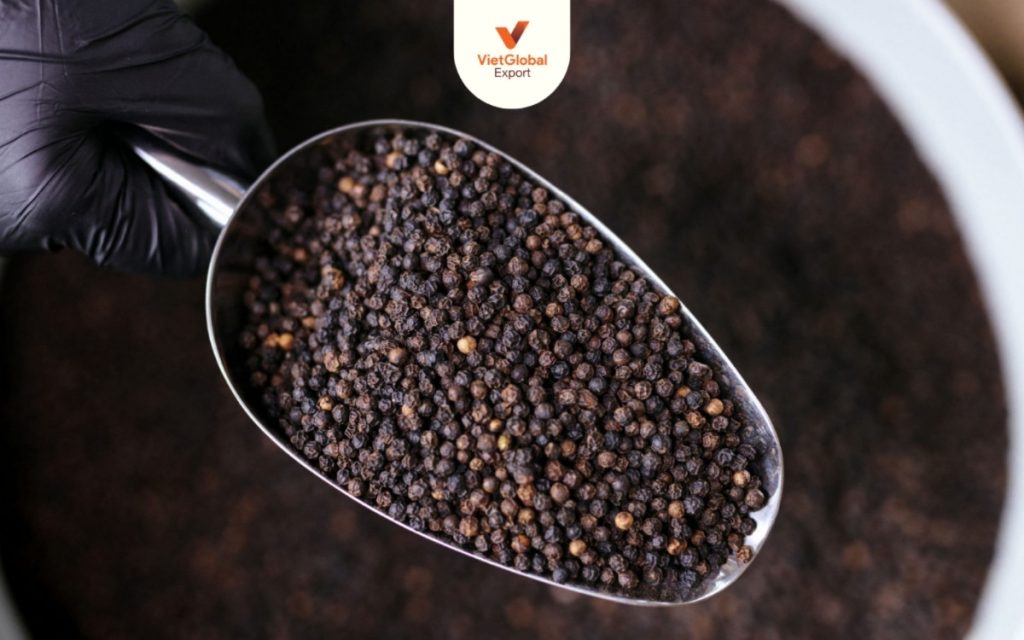
3. Indonesia pepper: distinctive aroma and strong white pepper reputation
Lampung black pepper and Muntok white pepper
Indonesia is a traditional pepper origin with a strong identity in both black and white pepper.
Lampung black pepper is known for its warm, earthy, and aromatic profile. It can sometimes feel more distinctive in aroma compared with more industrial origins.
Indonesia is also famous for Muntok white pepper, one of the most recognized white pepper types in international trade. Muntok white pepper is often valued for its clean appearance, strong aroma, and premium positioning.
When buyers choose Indonesia pepper
Indonesia pepper is often suitable for buyers who care about:
- Distinctive aroma
- Premium white pepper
- Origin identity
- Specialty spice blends
- Higher-end applications
The main point buyers should consider is availability. Indonesia may not always offer the same large-volume flexibility as Vietnam or Brazil, so planning ahead is important.
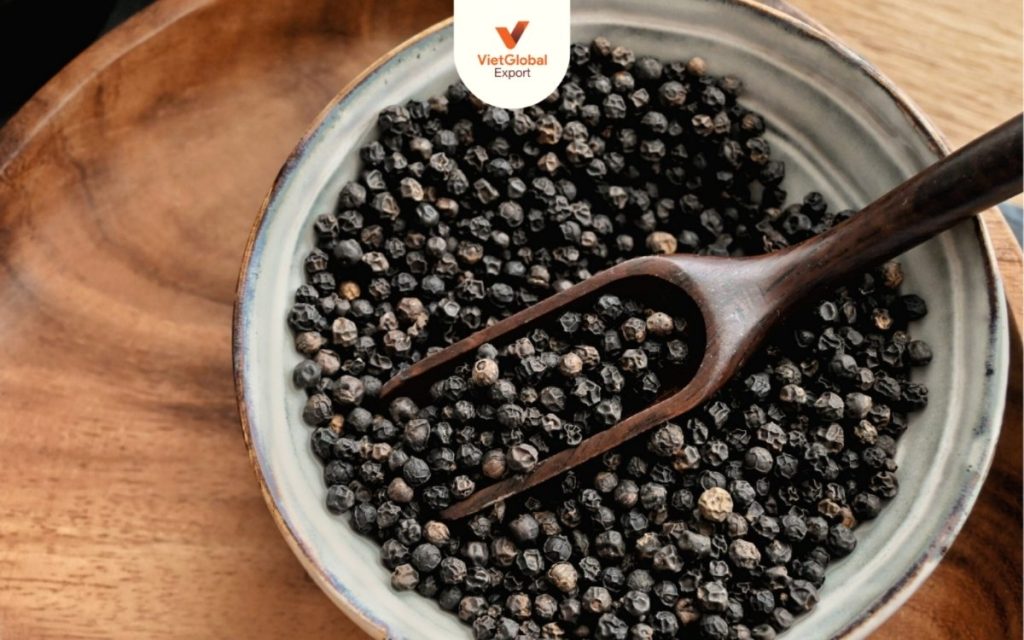
4. India black pepper: aromatic and premium-oriented
Malabar and Tellicherry pepper
India has a long history in the pepper trade and is often associated with traditional, premium pepper varieties such as Malabar and Tellicherry.
Indian pepper is usually appreciated for aroma complexity rather than only strong heat. Depending on the grade and growing area, it can offer woody, piney, citrusy, or slightly fruity notes.
Tellicherry pepper is often associated with larger berries and a premium position in retail and gourmet markets.
When buyers choose India pepper
India pepper is often chosen for:
- Premium retail spice jars
- Gourmet food products
- Specialty seasoning
- Origin-focused branding
- Markets where aroma story matters
For large industrial buyers, Indian pepper may not always be the most cost-effective option. But for buyers who want aroma complexity and premium positioning, it can offer strong value.
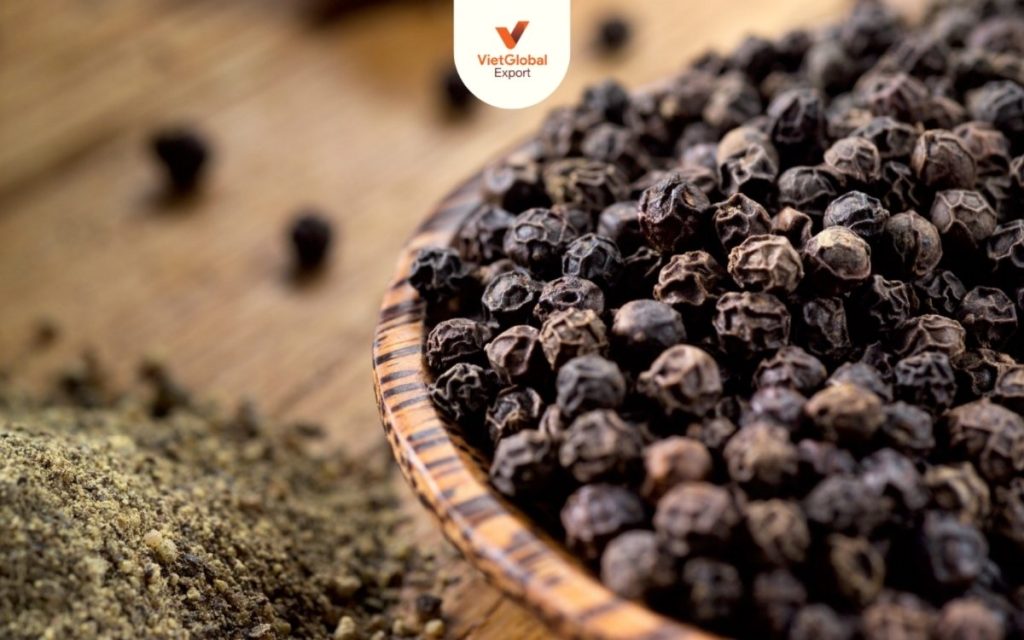
5. Malaysia pepper: clean, refined, and specialty-focused
Sarawak pepper and premium positioning
Malaysia, especially Sarawak, is known for clean and refined pepper. Malaysian pepper is often associated with attractive appearance, balanced aroma, and specialty positioning. Both black pepper and white pepper from Malaysia can be valued by buyers looking for a more refined product.
Compared with Vietnam or Brazil, supply may be more limited and prices may be higher. This makes Malaysia more suitable for premium retail or specialty applications rather than large-volume, price-sensitive sourcing.
When buyers choose Malaysia pepper
Malaysia pepper can be suitable for:
- Premium retail brands
- Specialty spice shops
- Refined white pepper applications
- High-quality packaging products
- Buyers prioritizing clean appearance and origin reputation
For the right market, Malaysian pepper can be a strong premium option.
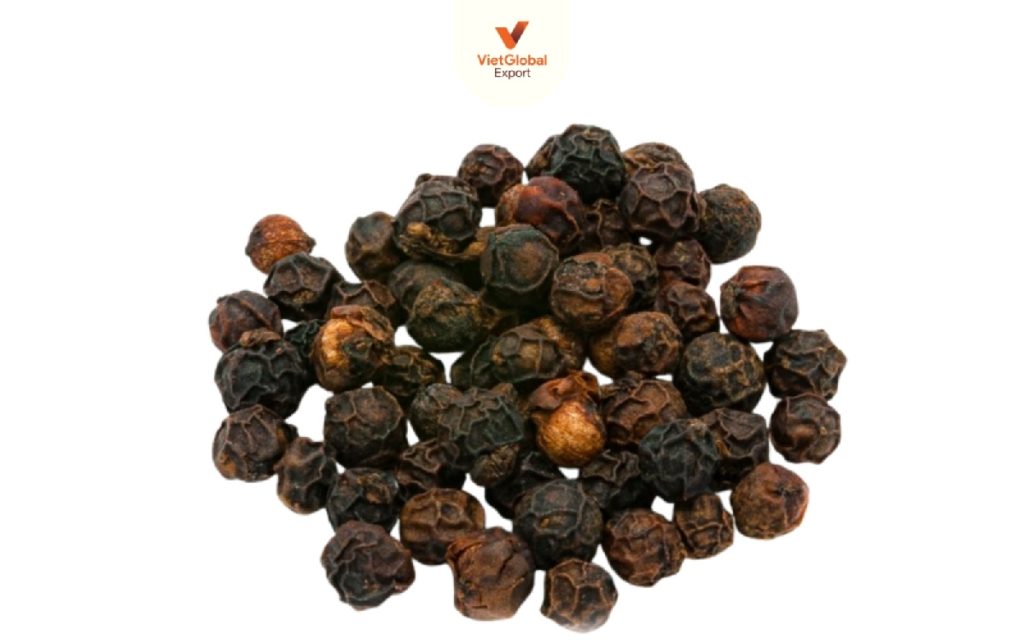
Quick comparison of major pepper origins
Here is a simple way to compare the major origins:
| Vietnam | Strong heat, reliable supply, flexible grades, good for industrial use and bulk sourcing. |
| Brazil | Competitive pricing, clean profile, useful for origin diversification and processing. |
| Indonesia | Distinctive aroma, strong reputation for Muntok white pepper, suitable for premium applications. |
| India | Aromatic, traditional, premium-oriented, suitable for gourmet and retail markets |
| Malaysia | Clean, refined, specialty-focused, suitable for premium black and white pepper products. |
Each pepper origin has its own strength. There is no single “best” origin for every buyer. The best choice depends on the final application, price target, quality requirements, and customer expectations.
What importers should consider before choosing a pepper origin
Pepper sourcing becomes much easier when buyers are clear about the final use.
If you are buying for grinding or seasoning production, Vietnam and Brazil may offer strong commercial advantages because of availability, grading options, and cost-performance balance.
If you are buying for premium retail or specialty spice jars, India, Malaysia, or selected Indonesian lots may offer stronger story and aroma identity.
If you need white pepper, Vietnam, Indonesia, and Malaysia should all be compared based on color, aroma, cleanliness, and processing standards. Price matters, of course. But in pepper sourcing, the cheapest origin is not always the most profitable choice if it does not perform well in the final product.
At VietGlobal Export, we support buyers who are looking for reliable Vietnamese pepper supply with a practical, application-first approach.
Vietnam offers strong advantages in volume, flexible specifications, and export experience. But choosing the right grade still matters. Our team can support buyers with black pepper and white pepper sourcing, sample preparation, quality checking, specification matching, packing advice, and shipment coordination.
Whether you are buying for wholesale distribution, spice blending, food manufacturing, or retail packing, VGE helps you understand which pepper grade fits your market.
We do not just export spices. We represent you in Vietnam – helping you check quality, manage sourcing details, and reduce risks from farm to port.
Frequently asked questions
Which country is best for black pepper?
There is no single best origin for every buyer. Vietnam is strong for volume and industrial use, Brazil is competitive for black pepper supply, Indonesia has distinctive aroma, India is premium and traditional, and Malaysia is suitable for specialty markets.
Is Vietnam pepper good for food manufacturing?
Yes. Vietnam pepper is widely used in food manufacturing, spice blending, sauces, seasoning powders, processed foods, and bulk wholesale because of its strong heat, flexible specifications, and reliable supply.
What is the difference between Vietnam and Brazil black pepper?
Vietnam black pepper is often known for bold heat and strong supply capacity. Brazil black pepper is often considered a competitive alternative origin with clean appearance and practical industrial use.
Which origin is famous for white pepper?
Indonesia is well known for Muntok white pepper, while Vietnam and Malaysia are also important white pepper origins. Buyers should compare color, aroma, cleanliness, and microbial standards before choosing.
Should buyers choose pepper based on origin or specification?
Both matter. Origin helps buyers understand general characteristics, but specifications such as density, moisture, foreign matter, aroma, piperine, and sterilization determine whether the product fits the intended application.
Conclusion
Black pepper may look similar from the outside, but each origin has its own character.
Vietnam, Brazil, Indonesia, India, and Malaysia all have different strengths. Some are better for industrial use. Some are better for premium retail. Some are chosen for aroma, while others are chosen for supply stability and price competitiveness.
For importers, the smartest decision starts with one simple question: “What do we need this pepper to do in the final product?” Once that answer is clear, choosing the right origin becomes much easier.
