
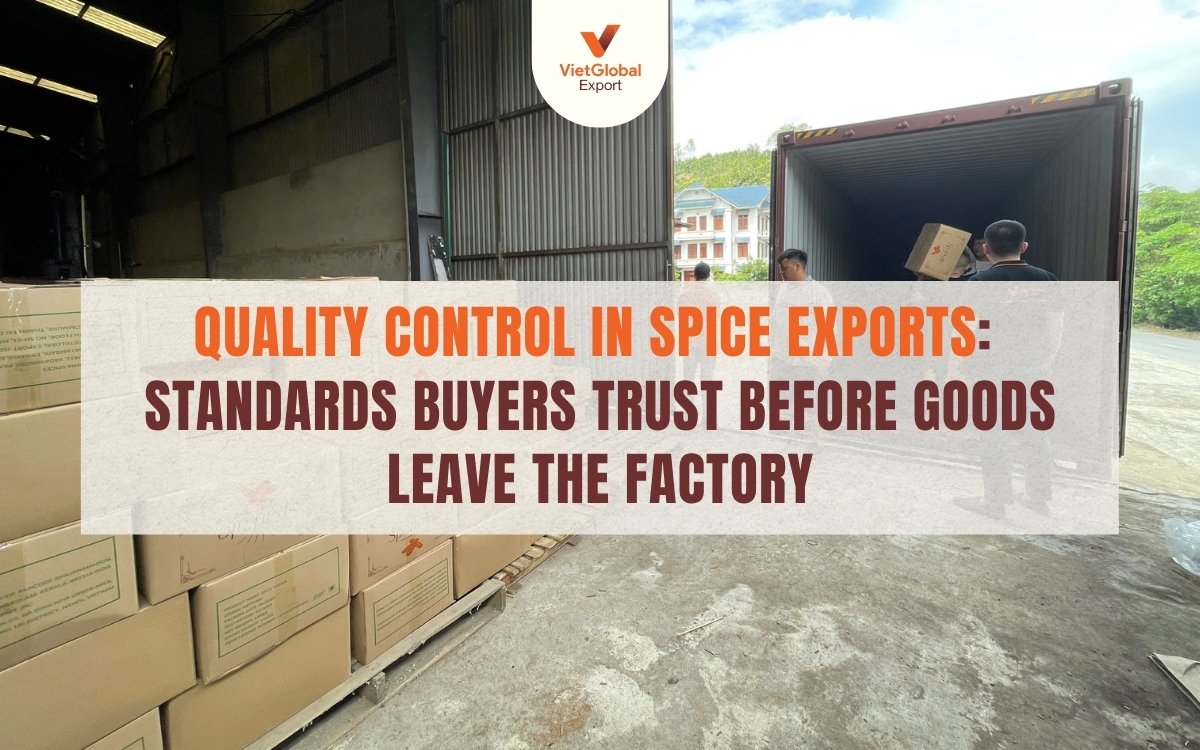
A shipment can be fully certified on paper and still fail to earn a buyer’s trust.
That gap – between having a certificate and proving it applies to the exact goods being shipped – is where most commercial disputes in the global spice trade actually begin. Not at the port. Not at customs. At the factory, days or weeks before loading, when specifications, batches, certificates, and documents either tell the same story or start to drift apart.
At VietGlobal Export, we treat this gap as the real definition of quality control. Regulatory compliance – meeting maximum residue limits, safety thresholds, and mandatory certifications – is the starting point. It is not, on its own, what keeps a buyer coming back.
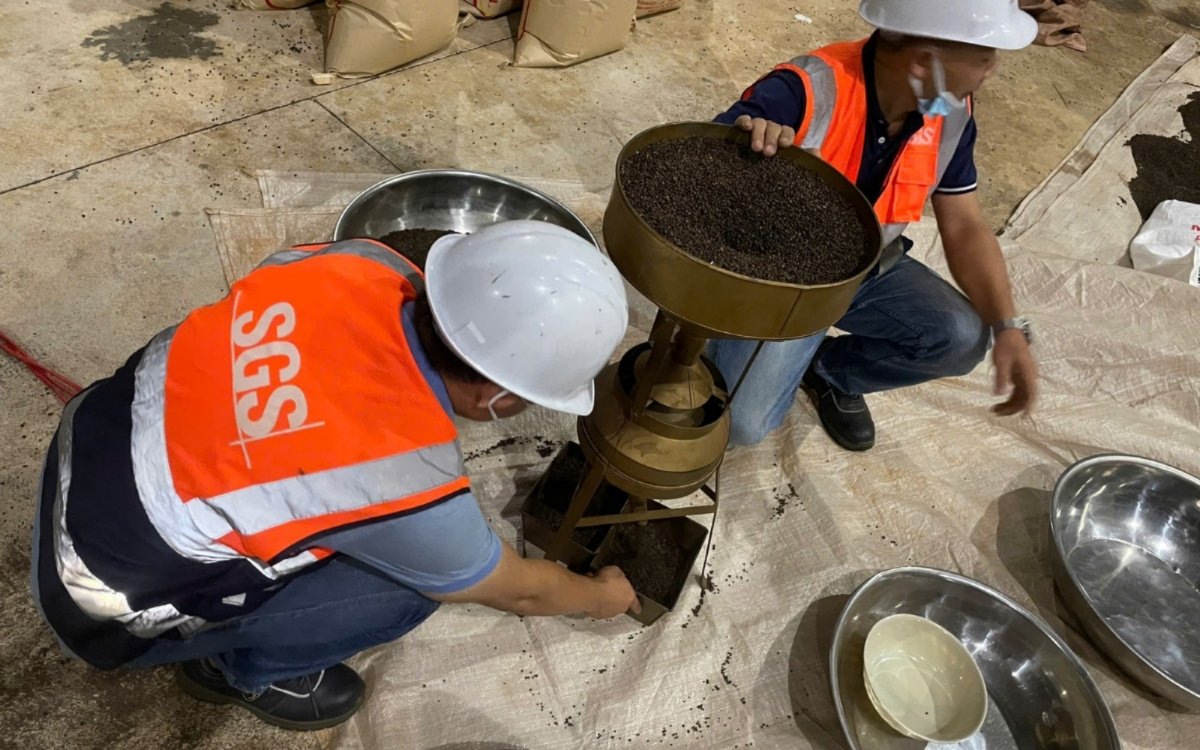
Beyond ISO: What B2B spice buyers actually verify
The conversation around export certifications has matured significantly. Experienced importers no longer ask only “are you certified?” They ask more specific questions, because a certificate is a claim, and claims need to match reality:
- Which legal entity and which production site does this certificate cover?
- Does the scope include the exact product being purchased?
- Is it still valid on the date of production and shipment?
- Is this a certified management system, a certified product, or a certificate tied to this specific batch?
These distinctions matter more than the logo on a PDF. A factory certified to ISO 22000 does not automatically mean every product it produces carries that certification. At VietGlobal Export, our documentation states exactly what is certified, and nothing more.
This level of specificity is what separates a supplier who can produce paperwork from a supplier who can actually stand behind it.
4 Pre-shipment pillars: Where export trust is actually built
After years of working with importers across the Middle East, Europe, and Asia-Pacific, we’ve found that buyer trust in a spice shipment comes down to four things – all of which need to be in place before a container is sealed.
1. One specification, one version
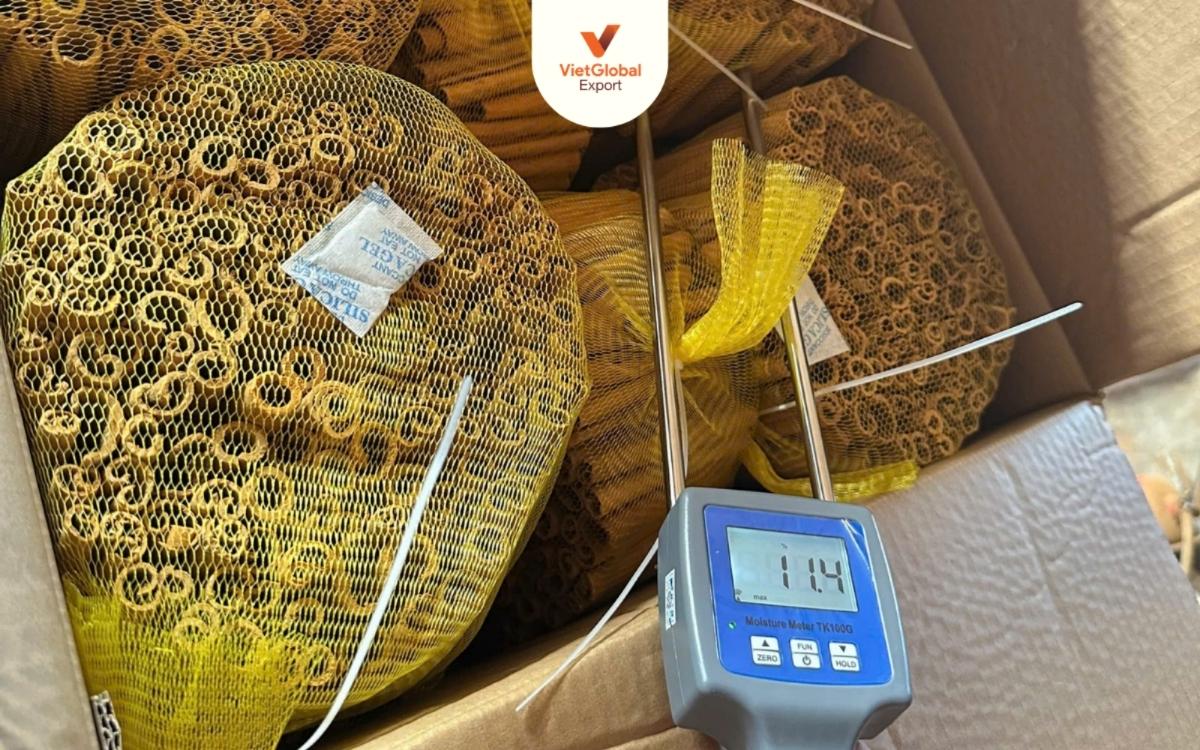
Sales, purchasing, production, and QC should all reference the same figures: origin, grade, moisture content, foreign matter tolerance, testing method, and applicable standards.
Most supply chain disputes don’t originate from poor quality. They originate from different teams agreeing on “good quality” while meaning different numbers. When the sales team quotes 12% moisture and the production team packs to 13.5%, and nobody catches the discrepancy before loading, the result is a quality claim that could have been prevented at the specification stage.
At VGE, every order begins with a signed specification sheet that all internal teams reference. If the specification changes, it changes in writing, with version control. One document. One set of numbers. No interpretation required.
2. Batch evidence that matches the goods
An approved sample, a Certificate of Analysis (COA), a packing list, and a loading record should all refer to the same lot.
This sounds obvious. In practice, it’s where many shipments quietly go wrong. A COA from a previous batch, applied to new production because the numbers look similar, introduces exactly the risk it appears to eliminate. A lab report is only meaningful when it refers to the specific goods being shipped.
At VGE, each batch carries its own COA, drawn from the actual production lot. The lot number on the COA matches the lot number on the packing list, which matches what’s on the bags inside the container. The evidence chain is intact from the factory floor to the destination port.
3. Documents that tell one consistent story
Commercial invoice, packing list, certificate of origin, phytosanitary or health certificate, and bill of lading. Five documents that should match exactly on product name, batch number, quantity, packing, and consignee details.
A discrepancy between these documents is not an administrative footnote. Under a Letter of Credit, even a minor inconsistency can delay payment. At customs, a mismatch between the phytosanitary certificate and the commercial invoice can hold a container for days. These are real costs, and they fall on the buyer.
We review the full document set before release and flag discrepancies before loading, not after. The goal is that when the buyer’s customs broker opens the file, everything matches – because it was designed to match, not because we got lucky.
4. Commercial boundaries agreed before, not after
An FOB or CIF term defines delivery responsibility under Incoterms. It does not define how a quality claim will be handled if the product arrives off-spec.
Before shipment, VGE agrees with buyers on the following in writing: where quality is determined (origin, destination, or neutral third-party inspection), how samples are drawn and retained, which laboratory is accepted for dispute resolution, the notice period for raising a claim, and the remedies available to both sides.
This isn’t defensive paperwork. It’s the commercial framework that makes disputes resolvable without destroying the relationship. When both sides agree on the process before something goes wrong, the conversation stays professional if it does go wrong.
Verified clean cassia: Building traceability into every lot
This four-pillar approach is what guides our Verified Clean Cassia initiative: a lot-traceable, COA-backed standard being built systematically across our sourcing, processing, and pre-shipment inspection chain.
We are formalizing this into a documented QC protocol so that what is promised, what is produced, what is tested, and what is certified can all be verified before the container is sealed. Not explained after it arrives.
This is infrastructure we are investing in now, ahead of tighter compliance expectations from EU buyers and premium retail markets where coumarin thresholds, pesticide MRLs, and documentation trail requirements are only getting stricter.
For buyers, this means fewer surprises at destination and a documentation trail that supports smooth customs clearance and timely payment. For us, it means every shipment can stand behind its own paperwork.
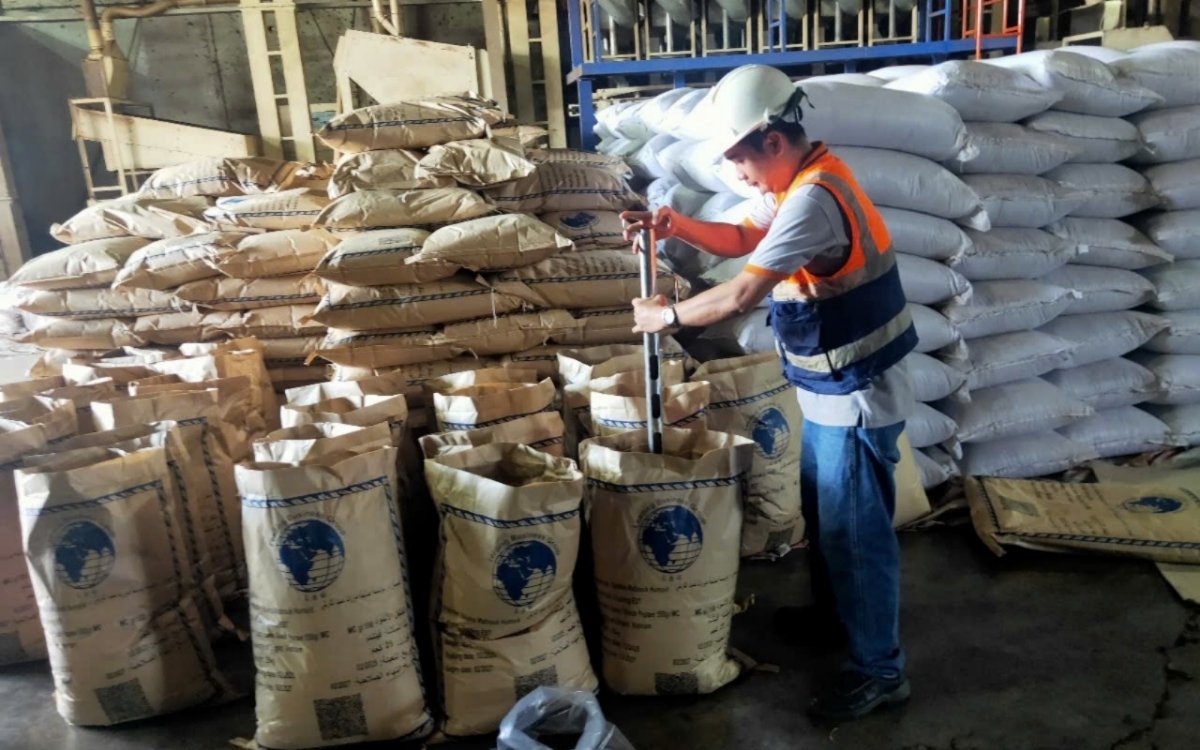
What compliance actually looks like in practice
Compliance is commercial trust made visible.
A compliant shipment is not one that can explain a problem after arrival. It is one where the buyer can already see, before loading, what was promised, what was produced, what was tested, what was certified, and what happens if something goes wrong.
That visibility is not a premium service. It is the baseline that serious buyers should expect from any supplier they work with at scale. If your current supplier can’t provide that level of documentation clarity on demand, that’s worth knowing before the next order.
Before your next order: Questions worth asking any supplier
Whether you’re sourcing from VGE or evaluating any Vietnam-based spice exporter, these are the questions that separate suppliers who can genuinely stand behind their product from those who can only produce paperwork:
- Can you provide a COA tied specifically to the production batch being shipped, not a reference batch?
- Does your certificate of origin match the exact product name and quantity on the commercial invoice?
- What is your internal process for catching document discrepancies before the container is sealed?
- If a quality claim arises, what is your agreed process for resolution, and is it documented in writing?
The answers to these questions tell you more about a supplier’s actual quality system than any certificate logo.
Sourcing cassia cinnamon, star anise, or pepper with COA-backed traceability and full pre-shipment documentation?
Contact VietGlobal Export to request our current specification sheet
→LinkedIn: linkedin.com/company/exportviet ; Facebook: facebook.com/exportviet
