
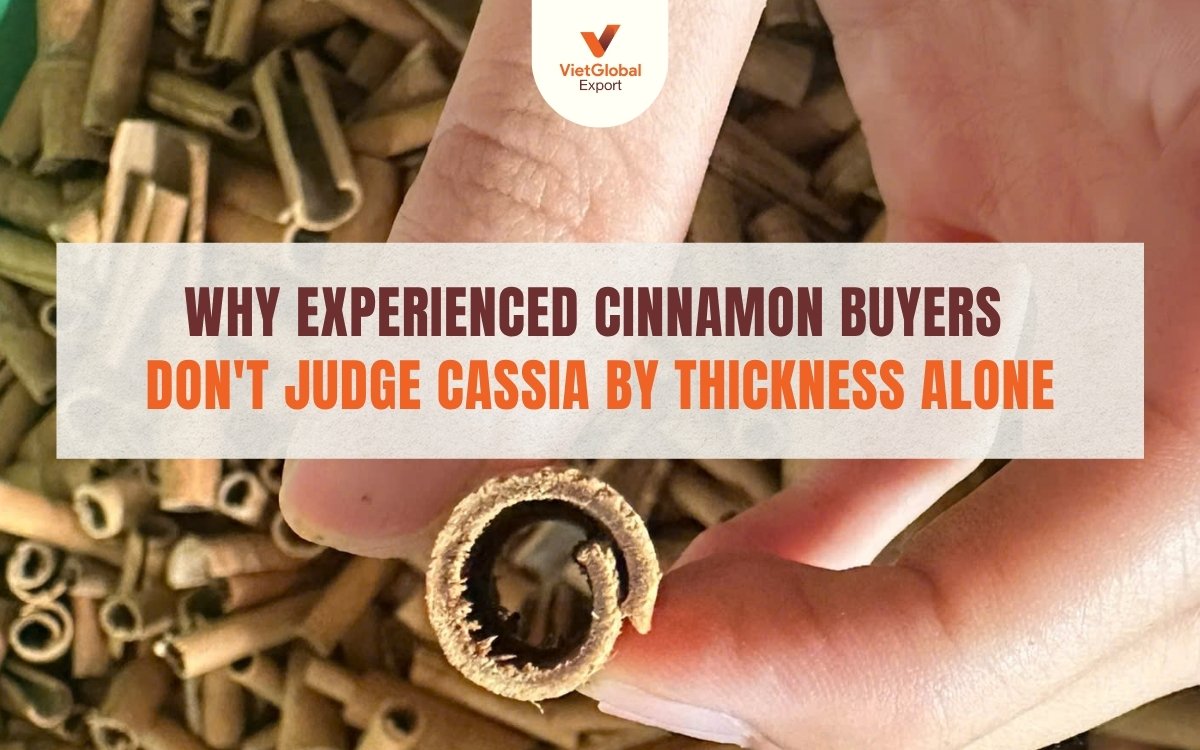
WHY EXPERIENCED BUYERS DON’T JUDGE CASSIA CINNAMON BY THICKNESS ALONE
Understanding what really determines cassia cinnamon quality and value
One of the most common misconceptions in the cinnamon trade is the belief that thicker cassia always means better cassia.
At first glance, this assumption seems reasonable. Thicker bark often looks more impressive, commands a higher price, and is commonly associated with premium grades. However, experienced importers know that the relationship between thickness and quality is far more complex.
In reality, some buyers actively look for thick bark, while others prefer thinner material depending on their application. What creates value is not thickness alone, but the right balance of oil content, moisture level, appearance, consistency, processing standards, and suitability for the intended use.
So, does thicker cassia always mean better quality? Let’s take a closer look.
What makes cassia bark thicker?
Tree age plays an important role
The thickness of cassia bark is largely influenced by the age of the tree.
As a cassia tree matures, the bark gradually becomes thicker. A tree harvested after 15–20 years will typically produce thicker bark than one harvested after only 5–7 years.
This is one reason why thicker cassia is often associated with premium products. Older trees generally have had more time to develop, producing bark that may offer richer color, stronger structure, and, in many cases, higher oil content.
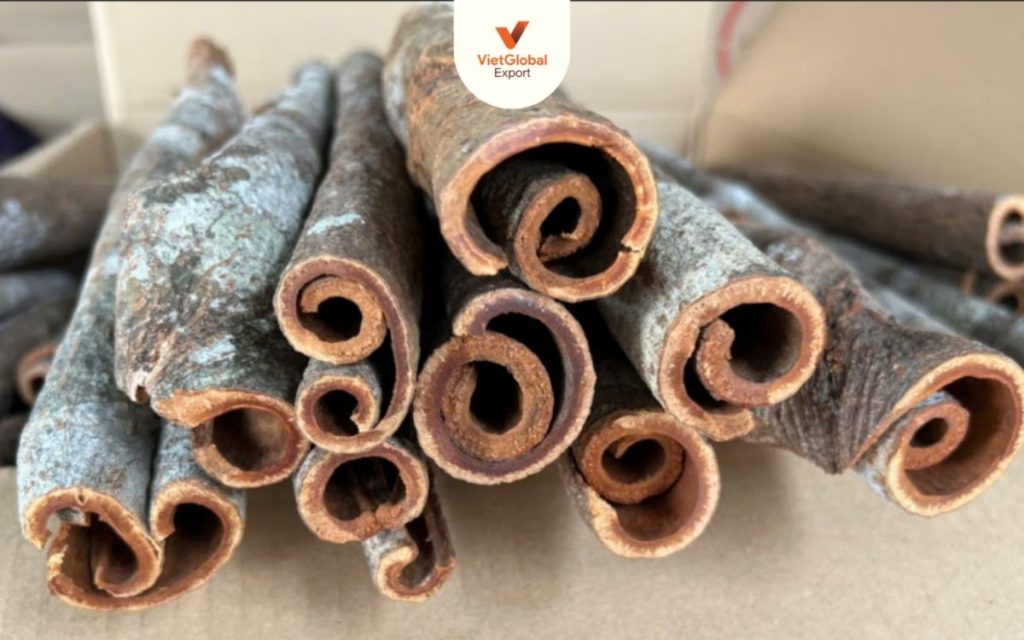
Thick bark is also more durable during transportation and can create attractive products such as large cinnamon tubes, premium cigarette cassia, and decorative cinnamon sticks.
But age alone does not guarantee quality
One mistake many buyers make is assuming that older trees automatically produce better cinnamon. In reality, we have seen younger trees produce excellent bark because they were grown in suitable soil, harvested at the right season, and processed correctly. At the same time, older trees can produce average-quality bark if growing conditions or post-harvest handling are poor.
Tree age influences bark thickness, but it is only one factor among many that determine overall quality.
Why oil content matters more than thickness
Aroma is what buyers are ultimately paying for
When professional buyers evaluate cassia cinnamon, one of the first specifications they look at is often not thickness, but oil content.
The characteristic aroma and flavor of cassia come primarily from its essential oils, especially cinnamaldehyde. Higher oil content usually means stronger aroma, richer flavor, and better performance in food applications.
This is why oil content often has a greater impact on commercial value than thickness alone.
A thick bark with relatively low oil content may look impressive, but it may not deliver the desired flavor intensity. On the other hand, a thinner bark with higher oil content can provide a much stronger aroma and better extraction yield. For many food manufacturers and spice processors, this is what truly matters.
After all, consumers do not buy cinnamon because it is thick. They buy it because of the flavor and aroma it contributes to the final product.
Different applications require different types of cassia
There is no single “best” cassia cinnamon
Perhaps the most important thing buyers should understand is that there is no universal definition of the “best” cassia.The ideal product depends entirely on how it will be used.
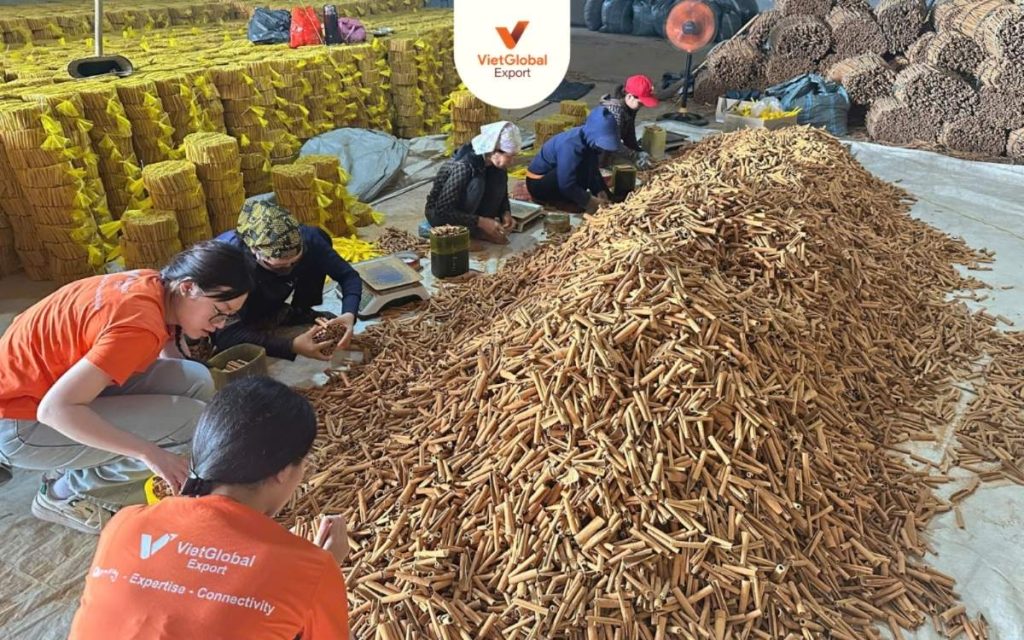
Buyers supplying retail cinnamon sticks often place significant emphasis on appearance. They may prefer thicker bark because it creates larger tubes, more attractive rolls, and a premium presentation on store shelves.
However, the priorities are very different for manufacturers producing cinnamon powder. Once cassia is ground into powder, customers never see the original bark thickness. In these cases, oil content, cleanliness, moisture control, and consistency become much more important than appearance.
The same principle applies to essential oil producers and extraction companies. Their focus is typically on oil yield and chemical composition rather than bark thickness.
In fact, some processing facilities intentionally purchase thinner bark because it is easier to grind and process efficiently.
Even excellent cassia can lose quality
Another factor that buyers often underestimate is storage. After harvesting and drying, cassia continues to interact with its environment. If moisture levels increase during storage or transportation, several quality issues can develop.
The product may lose aroma, experience essential oil deterioration, become darker in color, or face increased mold risk. In severe cases, a shipment that originally met specifications may arrive in a completely different condition.
This is why experienced suppliers pay close attention not only to harvesting and drying but also to packaging methods, warehouse conditions, and container loading procedures.
Many buyers focus heavily on thickness while overlooking moisture content. Yet moisture is often one of the most critical indicators affecting long-term product stability.
What should buyers actually prioritize?
Evaluate cassia quality as a complete package
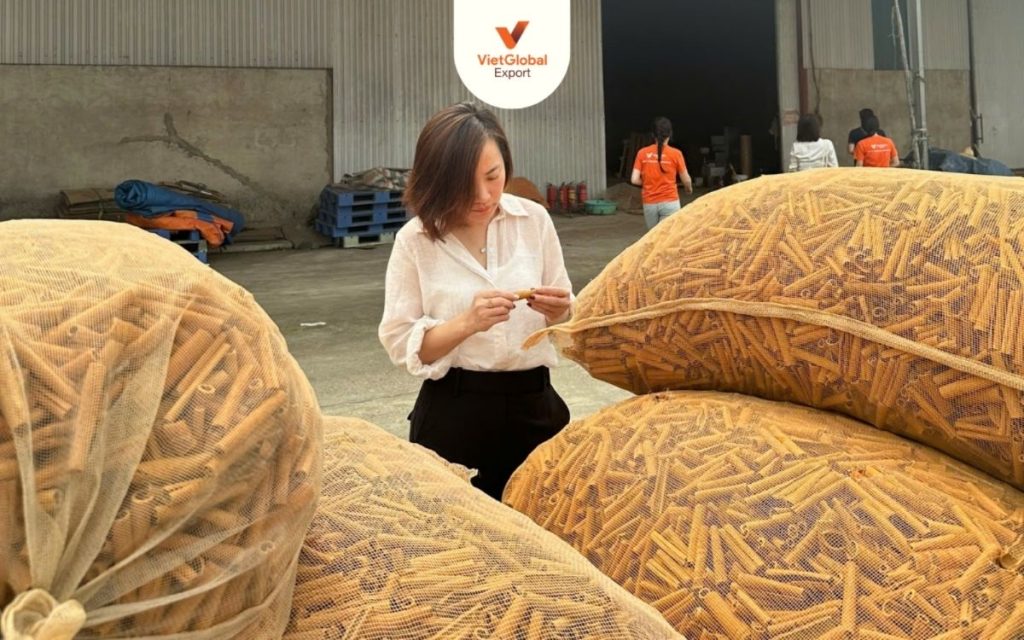
When comparing different cassia offers, thickness should certainly be considered, but it should never be evaluated in isolation. A more complete assessment includes:
- Essential oil content
- Moisture level
- Appearance and uniformity
- Cleanliness
- Processing standards
- Storage conditions
- Intended application
The most expensive cassia is not always the thickest, and the thickest cassia is not always the most profitable choice for your business. The right product depends on what you need the cinnamon to do.
How VGE helps buyers choose the right cassia
At VietGlobal Export (VGE), we work closely with growers and processing facilities across Vietnam’s major cinnamon-producing regions.
Rather than simply recommending the thickest bark available, we help buyers identify the most suitable product based on their market, application, and quality requirements.
Whether you are sourcing cassia sticks for retail shelves, cinnamon powder production, spice blending, or essential oil extraction, our goal is to help you find the right balance between quality, performance, and cost.
Because successful sourcing starts with understanding the application, not just the specification.
Conclusion
So, does thicker cassia mean a higher price?
In many cases, yes. Thicker bark is often associated with older trees, more attractive appearance, and premium product categories.
However, thickness is only one piece of the puzzle.
What buyers are ultimately paying for is aroma, oil content, consistency, processing quality, and the confidence that the product will perform as expected.
That is why experienced cinnamon buyers rarely ask only, “How thick is the bark?” Instead, they ask a more important question: “What is the intended application?”
Once that question is answered, choosing the right cassia becomes much easier.
