
Avoiding common quality issues in Vietnamese Spice exports
Sang Linh
Product Insights - Know your spices
Comments Off on Avoiding common quality issues in Vietnamese Spice exports
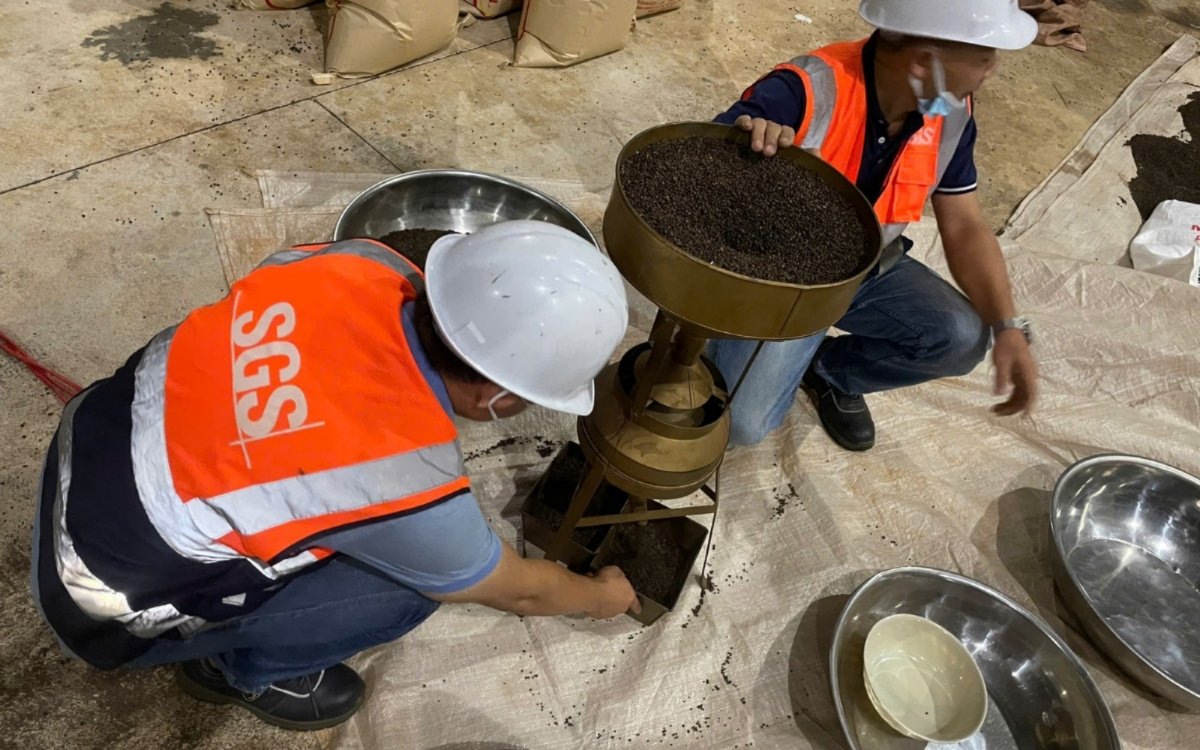
Common quality issues in Vietnamese spice exports include inconsistent grading, excess moisture, contamination, weak traceability, and packaging that cannot protect products during transit. Importers can reduce these risks by setting written specifications before procurement, vetting suppliers, inspecting goods before containerization, and verifying the shipment against approved samples. A structured sourcing process helps buyers align quality expectations with Vietnamese producers and catch problems before goods leave the processing facility.
What causes common quality issues in Vietnamese spice exports?
Quality issues often arise when product requirements are unclear, post-harvest handling is inconsistent, or buyers cannot verify how spices were processed and packed. Understanding where variability enters the supply chain helps importers decide what to specify, inspect, and confirm before shipment.
Where does quality variation begin?
A shipment’s quality is shaped by decisions made well before loading. Spices can vary in size, maturity, and other characteristics when sorting is inconsistent. For products such as cinnamon or cassia, buyers may specify volatile oil percentage; for ground spices, they may need to define mesh size. If such requirements are left vague, buyer and supplier may use different interpretations of what counts as an acceptable grade.
Moisture management is another critical control point. Drying methods and handling can affect moisture levels, and excess moisture can contribute to mold growth during transit. The practical issue is not simply whether a product looks dry at inspection. Buyers need to define the moisture requirement for the particular product and ensure that it is checked before goods are packed and shipped.
For cinnamon buyers assessing product types, VietGlobal Export’s page on Vietnamese cinnamon leaves offers relevant product context. The right specification still depends on the buyer’s application and must be confirmed for the actual batch.
How do problems move through the supply chain?
Contamination may be introduced when cleaning and processing are inadequate. Dust, stones, or twigs can remain in a batch, while biological contamination is a concern where post-harvest handling or processing facilities do not provide adequate control. These risks make facility hygiene, cleaning practices, and an agreed inspection plan important parts of supplier assessment.
Traceability gaps create a different problem: importers may be unable to verify origin or confirm information about pesticide and chemical use. Packaging can also undermine an otherwise acceptable product if it does not protect the spices against humidity, pests, or physical damage over a long maritime journey.
These risks are connected. A clean batch can still be compromised by poor packaging, and a well-packed shipment can still fail a buyer’s specification if grading was inconsistent. Quality control therefore needs to cover the whole route from supplier and processing facility through pre-shipment checks and logistics coordination—not just the final appearance of the goods.
Which export risks should buyers compare before ordering?
The most useful comparison is between each potential failure and the control that can detect or prevent it. Importers should convert general expectations such as “clean,” “dry,” or “premium” into product-specific requirements, then agree how and when those requirements will be checked.
What should a practical quality-control matrix include?
A buyer–supplier specification matrix makes expectations easier to discuss and inspect. The examples below identify common risks and appropriate control points; they are not universal thresholds or a substitute for product-specific requirements.
| Quality risk | What an importer may observe | Preventive or verification control |
|---|---|---|
| Inconsistent grading | Variation in size, maturity, or other agreed characteristics | Define grade and acceptance criteria before procurement; compare inspection findings with the written specification |
| Excess moisture | Product does not meet the agreed moisture requirement; potential for mold during transit | Set the product-specific moisture requirement and arrange a check before packing |
| Foreign matter | Dust, stones, or twigs in the batch | Assess cleaning and processing practices; conduct a physical inspection before containerization |
| Biological contamination | Concerns about post-harvest handling or processing hygiene | Vet the facility’s hygiene practices and align inspection expectations before purchase |
| Limited traceability | Difficulty verifying origin or pesticide and chemical-use information | Ask suppliers to clarify available origin and production information during supplier vetting |
| Packaging failure | Packaging may not protect against humidity, pests, or physical damage | Agree packaging requirements for the intended shipment and inspect packing before loading |
| Sample-to-shipment mismatch | Shipped goods differ from the sample used for approval | Retain the approved sample as a reference and compare it with the final shipment |
How should buyers turn specifications into acceptance criteria?
Start by naming the product and the characteristics that matter for its intended use. For cinnamon or cassia, that may include a volatile oil requirement; for ground spices, mesh size may be relevant. Moisture and grading should also be addressed when they affect the buyer’s acceptance decision. Avoid assuming that one specification works for every spice or application.
Then document how each characteristic will be assessed. A term such as “clean” is difficult to enforce unless the parties agree what they are checking for and how the goods will be reviewed. The same principle applies to packaging: specify the protection required for the planned shipment rather than relying on a general promise that goods will be “export packed.”
Finally, connect each specification to a decision point. Identify what is reviewed during supplier vetting, what is checked at the processing facility, and what must be confirmed before containerization. This turns a specification from a purchasing document into a working quality-control plan.
How can importers reduce quality risk step by step?
A dependable process sets expectations before buying and checks performance before the shipment leaves the facility. VietGlobal Export describes a five-step workflow—supplier vetting, specification alignment, on-site inspection, logistics coordination, and final verification—to address common sourcing and communication gaps.
Step 1: Vet suppliers and align specifications
Step 1: Vet the supplier. Assess local farms and processing facilities for relevant export-readiness factors, including hygiene, capacity, and ethical labor practices. The purpose is to understand whether a supplier can handle the product and follow the agreed process—not merely whether it can offer a price.
Step 2: Align the specification. Define the required product characteristics before procurement. Depending on the product, this may include grading, volatile oil percentage for cinnamon or cassia, mesh size for ground spices, and moisture percentage. Clarify any requirements for cleanliness, traceability information, and packaging as well. Make sure both sides understand the same acceptance criteria.
Put the requirements in a written document that can be used by the supplier, buyer, and inspector. If a characteristic matters to the buying decision, it should not be left to informal descriptions or assumed to be understood. Clear specifications also give the parties a common reference if a concern comes up during inspection.
Step 2: Inspect, coordinate logistics, and verify
Step 3: Inspect on site. Before containerization, conduct physical quality checks at the processing plant against the agreed specification. This is the opportunity to identify issues such as visible foreign matter, inconsistent grading, or a mismatch with the expected product condition while the goods are still at the facility.
Step 4: Coordinate logistics. Manage export documentation, customs clearance, and shipping requirements in a way that supports product integrity. Packaging should be appropriate to protect the goods against humidity, pests, and physical damage during long-haul maritime shipping.
Step 5: Verify the final shipment. Compare the shipment with the pre-shipment sample provided to the buyer. Treat the sample as a reference point, not as proof that every later batch will match automatically. The check should confirm that the final goods correspond to the agreed product and specification.
After each step, record any unresolved questions and assign responsibility for addressing them. This creates a clearer handoff between procurement, quality control, and logistics teams, and reduces the chance that a requirement will be overlooked between order confirmation and shipment.
What practical pitfalls should buyers watch for?
The most preventable sourcing failures often begin with assumptions: that a supplier interprets a grade the same way as the buyer, that a sample represents every batch, or that standard packaging will suit a long voyage. Buyers can reduce these risks by asking specific questions and tying answers to inspections and shipment decisions.
Which shortcuts commonly lead to avoidable problems?
A frequent pitfall is ordering against broad terms such as “high quality” without defining measurable product characteristics. Another is focusing on the sample while leaving the final shipment’s inspection unclear. Buyers should specify how the sample will be used, what the physical inspection should cover, and how the final goods will be compared with the approved reference.
It is also risky to treat supplier claims as a substitute for supplier vetting. Confirm whether the farm or facility has the relevant hygiene practices and capacity for the order. Ask what origin and production information is available if traceability matters to the buyer. Packaging deserves the same attention: a product that meets its specification at the processing plant may still be exposed to risk if packing does not protect it during transit.
Do not assume there is a single moisture limit, grade definition, or packaging solution for all spices. The grounded sourcing process calls for precise, product-specific requirements, not a universal number that may not suit the order. Confirm the criteria with the supplier before procurement and make sure the inspection is capable of checking them.
How would a buyer apply the workflow to a shipment?
Consider an importer sourcing ground spices. Before placing an order, the buyer defines the required mesh size and moisture percentage, clarifies grading and cleanliness expectations, and agrees on packaging. The supplier and processing facility are vetted for hygiene and capacity. Before containerization, the buyer or its inspection representative checks the batch against those requirements, including physical condition and visible foreign matter.
If the inspection identifies a mismatch, the parties can address it before the goods are loaded rather than discovering the issue after arrival. Logistics coordination then covers documentation, customs clearance, and packaging suitable for the journey. The final shipment is checked against the approved sample so the buyer can assess whether it matches what was agreed.
This is an illustrative application of the five-step workflow, not a guarantee that every risk can be eliminated. The value lies in making decisions at defined checkpoints and creating shared evidence of what was specified and reviewed. VietGlobal Export positions its sourcing service around bridging gaps between international buyers and Vietnamese producers; buyers should request batch-level details directly when they need confirmation about a specific order.
What should buyers expect from Vietnamese spice sourcing in 2026?
In 2026, importers should prioritize transparent specifications, pre-shipment verification, and clear communication with suppliers. No universal percentage benchmark applies to every spice or shipment in the grounded information available here, so buyers should set and verify requirements for each product and order.
What should sourcing teams prioritize this year?
International food manufacturers, spice wholesalers, retail distributors, and boutique organic brands all need a sourcing process suited to their products and purchasing requirements. A manufacturer may focus on a defined technical characteristic such as mesh size, while a buyer of cinnamon or cassia may specify volatile oil percentage. Across product types, moisture, grading, contamination, traceability, and packaging remain practical areas to address.
Importers entering Vietnam can benefit from a clear process for supplier assessment, specification alignment, inspection, documentation, and shipment verification. Companies sourcing multiple product lines may also consider whether working through a single vetted point of contact can reduce administrative overhead. VietGlobal Export’s portfolio includes cinnamon, star anise, black pepper, ginger, and turmeric, as well as cardamom and Vietnamese handicrafts and furniture.
These considerations are useful planning priorities, not claims about industry-wide performance or guaranteed results. Buyers should avoid relying on unsupported percentage statistics or generic quality promises. Instead, they can establish product-specific acceptance criteria and ask for evidence that the agreed checks were completed for the batch being purchased.
What does VietGlobal Export recommend?
VietGlobal Export emphasizes disciplined sourcing as a way to reduce quality and communication risks between Vietnamese suppliers and international buyers.
With more than 15 years of experience in global logistics and Vietnamese agricultural sourcing, their perspective centers on aligning specifications early and checking goods before shipment. The practical takeaway is to treat quality control as a sequence, not a last-minute inspection. Vet the supplier, agree on technical requirements, inspect the goods at the processing plant, coordinate export and shipping needs, and compare the final shipment with the approved sample. Each stage should have a clear purpose and a responsible party.
For batch-level quality reports or product-specific requirements, importers should contact VietGlobal Export directly. The company can be reached at +84-812-540-881 or sales@exportviet.com. Specific acceptance criteria should be confirmed with the sourcing team and supplier for the order in question.
FAQ
What are the most common quality issues in Vietnamese spice exports?
Common issues include inconsistent grading, excess moisture, foreign matter or biological contamination, limited traceability, and packaging that does not adequately protect products during transit. The relevance of each risk depends on the product, supplier, processing, and shipment.
How can importers reduce the risk of excess moisture?
Define the required moisture percentage for the specific product before procurement and arrange a check at the processing facility before the goods are packed. Avoid assuming that one moisture requirement applies to every spice or order.
What should an importer specify when buying Vietnamese spices?
Set product-specific criteria before procurement. Depending on the product, requirements may include grading, volatile oil percentage for cinnamon or cassia, mesh size for ground spices, moisture percentage, cleanliness, traceability information, and packaging expectations.
Why should the final shipment be checked against a sample?
A pre-shipment sample gives buyer and supplier a shared reference for the order. Checking the final shipment against it helps identify whether the goods match what the buyer approved, though the sample does not replace inspection against the written specification.
What does VietGlobal Export do to support quality control?
VietGlobal Export describes a process that includes supplier vetting, specification alignment, on-site inspection before containerization, logistics coordination, and final verification against the buyer’s pre-shipment sample. Batch-level details should be confirmed directly with its sourcing team.
