
Have you ever wondered if the cinnamon stick in your kitchen is the real deal? If so, you’re not alone. As someone who loves adding a warm, spicy kick to my morning coffee or a cozy dessert, I’ve learned that not all cinnamon sticks are created equal.
In fact, what many of us think is cinnamon might actually be a close relative — and while both have their uses, knowing the difference between real cinnamon sticks vs fake can elevate your dishes and your health. Let’s dive into the spicy truth together.
What is real cinnamon sticks vs fake?
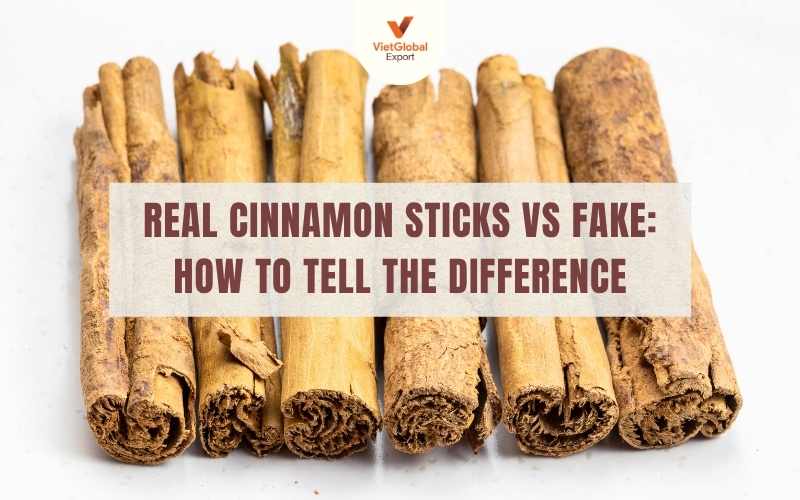
When people talk about real cinnamon, they’re referring to Ceylon cinnamon, also known as “true cinnamon.” Grown mainly in Sri Lanka, this variety is delicate, fragrant, and packed with subtle sweetness. Its paper-thin layers roll into a soft, crumbly stick that breaks easily with your fingers.
Characteristics of Real Cinnamon Sticks
- Color: Light brown or tan
- Texture: Thin, soft layers (like rolled paper)
- Taste: Mildly sweet and floral
- Smell: Soft, complex, elegant aroma
- Bark: Delicate, rolled-in spirals of multiple thin layers
- Coumarin: Extremely low (safe for regular consumption)
Holding a real Ceylon cinnamon stick feels like holding a handcrafted artifact. It crumbles gently when broken and gives off a soft, fragrant smell – never overwhelming.
What about the fake one? (Cassia Cinnamon)
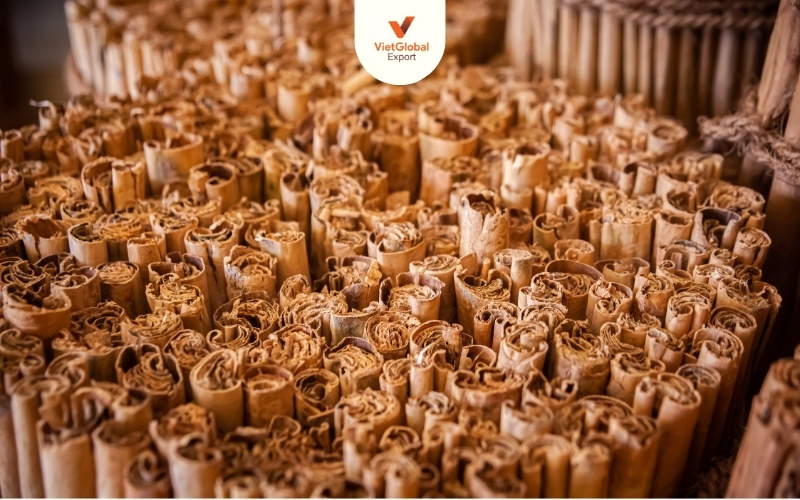
Now, here’s where things get tricky. When we say fake cinnamon, we don’t mean it’s entirely fake — it’s just not Ceylon. Most of the cinnamon you find in stores is actually Cassia cinnamon, which is stronger, cheaper, and far more common.
The issue lies in labeling. Most grocery store products labeled simply as “cinnamon” are actually cassia, not Ceylon.
Characteristics of Fake (Cassia) Cinnamon Sticks
- Color: Dark reddish-brown
- Texture: Thick, hard, woody bark
- Taste: Strong, hot, and slightly bitter
- Smell: Intense and spicy
- Bark: One hard, curled layer (like a scroll)
- Coumarin: High (can be harmful in excess)
While cassia has its uses – especially in cooking where bold flavor is welcome – it’s not ideal for frequent consumption or delicate recipes.
Real cinnamon sticks vs fake – Why it matters
1. Health impacts of real cinnamon sticks vs fake
Coumarin, a naturally occurring compound, is found in much higher levels in cassia cinnamon. Excessive coumarin consumption has been linked to liver damage and other health risks.
- Ceylon cinnamon: Contains trace amounts of coumarin (safe for daily use)
- Cassia cinnamon: May contain 1,000x more coumarin than Ceylon
If you’re a regular cinnamon user – in smoothies, herbal teas, wellness blends, or bakery goods – choosing Ceylon can significantly reduce your long-term health risk.
2. Flavor profile
Ceylon’s subtle, refined sweetness is perfect for:
- Premium teas
- Light desserts
- Yogurt blends
- Daily health routines
Cassia’s boldness works better for:
- Curries and stews
- Baking (when intense cinnamon flavor is desired)
- Syrups or infusions
3. Product integrity & compliance
If you’re in the food business, especially selling to markets like the EU or Australia, mislabeling cinnamon can lead to customs rejection or legal issues. Coumarin content must be declared, and sourcing transparency is increasingly demanded by buyers.
How to tell them apart – A quick guide
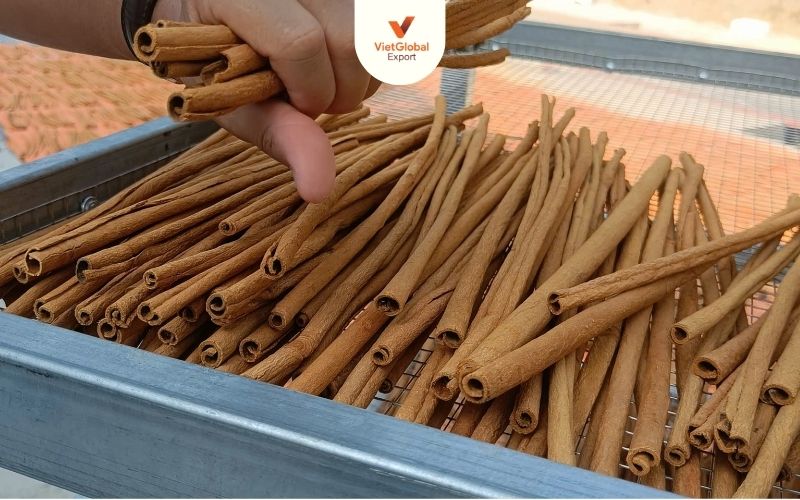
Let’s get practical. Next time you’re shopping, use this checklist to know what you’re buying:
| Feature | Real Cinnamon (Ceylon) | Fake Cinnamon (Cassia) |
| Bark Texture | Thin, flaky layers | Thick, hard bark |
| Stick Shape | Rolled like cigars | One solid curl |
| Color | Light brown | Dark reddish-brown |
| Aroma | Mild and sweet | Strong and spicy |
| Taste | Subtle and delicate | Bold and pungent |
| Price | More expensive | Cheaper |
Try breaking the stick — if it crumbles, it’s likely real cinnamon. If it snaps with a loud crack, it’s probably Cassia.
So, which one should you buy?
If you’re using cinnamon daily for wellness products, functional foods, or herbal teas — or if you’re exporting to markets with strict coumarin regulations — then Ceylon cinnamon is the ideal choice. Its gentle flavor and low coumarin content make it perfect for health-focused applications where both taste and safety matter.
On the other hand, if you’re developing bold-flavored bakery goods, savory spice blends, or cinnamon-based extracts and oils, cassia cinnamon might serve you better. It’s more affordable, has a stronger aroma, and offers high oil content — a great fit for industrial-scale usage or cost-sensitive markets.
Ceylon for premium retail lines, and cassia for robust, large-scale applications. The key is understanding your product — and choosing the cinnamon that enhances it best.
Where to source high-quality real cinnamon sticks vs fake?
By now, you know the difference between real cinnamon sticks vs fake. Ceylon cinnamon is the “true” variety—subtle, elegant, and ideal for daily wellness use. But for most industrial food applications, cassia cinnamon is the more practical, powerful, and cost-effective choice.
At VietGlobal Export (VGE), we specialize in sourcing and exporting premium Cassia cinnamon sticks — harvested from the cool highland forests of Vietnam’s renowned cinnamon-growing regions.
We don’t just sell cinnamon — we represent our clients on the ground in Vietnam, managing everything from sourcing to quality control and shipment logistics.
Why global buyers trust VGE for Cassia cinnamon:
- ✅ Bold aroma & high oil content
- ✅ Hand-selected sticks in sizes 5cm, 8cm, or custom cuts
- ✅ Clean, safe & traceable batches – with COA, Phytosanitary, CO
- ✅ Flexible packaging: PE liner bags, cartons, or private-label retail packs
- ✅ Factory-audited processes with ISO/HACCP standards
- ✅ Dedicated support team that shares photos, videos, and real-time updates
Whether you’re an importer looking for reliable FOB shipments, a spice brand developing your retail line, or a food processor in need of consistent quality — we’ve got your back.
Final thoughts: Know your cinnamon, source with confidence
The cinnamon industry has been clouded by confusion for too long. But when you understand the true difference between Ceylon and Cassia, you gain the power to make better decisions — for your health, your business, and your brand.
At VGE, our role is simple:
We don’t just export spices — we represent you in Vietnam.
Let’s make cinnamon sourcing transparent, effective, and worry-free.
📧 Email us at: sales@exportviet.com
🌐 Or visit: www.exportviet.com
