


- Description
- Additional information
- Reviews (0)
Description
When people talk about cinnamon, they often think of sweetness, spice, and the warmth it brings to a dish. But Vietnamese stick cassia is more than a cooking ingredient — it’s a craft product with deep cultural roots, powerful natural qualities, and strong potential for global trade. In this article, let’s explore its full story — from where it grows to how it’s crafted, packed, and sent to spice up markets around the world.
What is stick cassia?
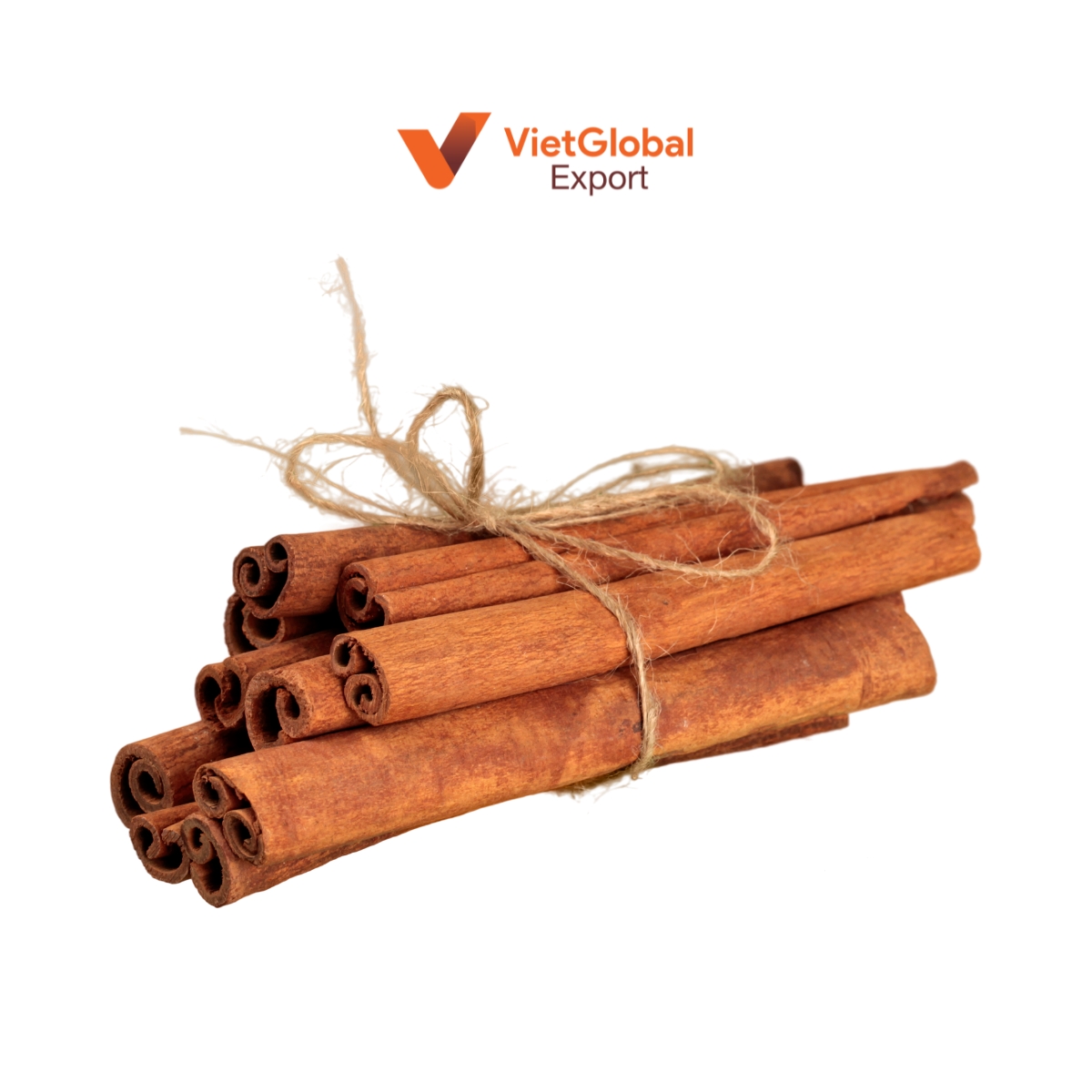
Stick cassia, often referred to as cinnamon sticks, is made from the dried bark of the Cinnamomum cassia tree. After harvesting, the bark is carefully cleaned, trimmed, and sun-dried, forming beautiful, naturally rolled sticks.
With its bold aroma, sweet-spicy flavor, and rich reddish-brown color, Vietnamese cinnamon is not only a kitchen staple but also a valued ingredient in traditional medicine, cosmetics, and even craft decoration. Thanks to its high essential oil content and excellent shelf life, Vietnamese cinnamon sticks have gained strong traction in export markets across Asia, the Middle East, Europe, and beyond.
Where it all begins – The growing regions
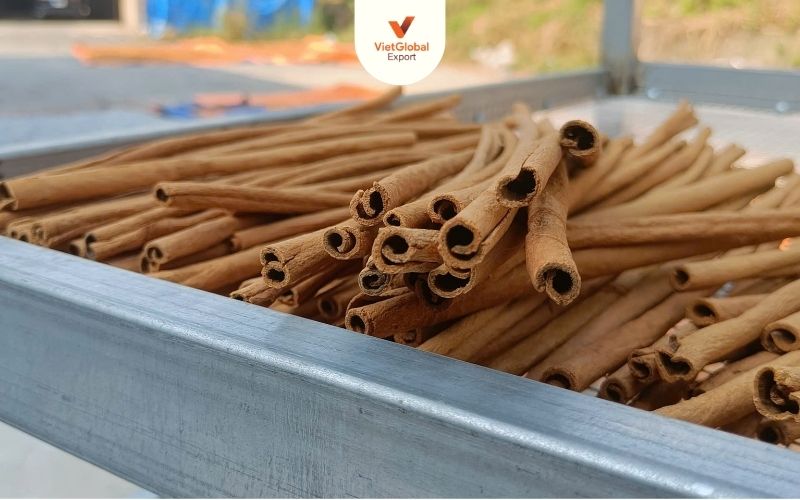
Cassia thrives best in the mountainous regions of northern and central Vietnam. Places like Yen Bai, Quang Nam, and Lao Cai are known as “golden lands” for cassia. The soil here is rich, the climate is humid, and the forests are high – perfect conditions for aromatic cassia bark to grow thick, flavorful, and full of essential oils.
Factory & processing – where craft meets control
At ExportViet, we work directly with local farmers and operate a modern factory located near the raw material areas. This close connection ensures that our stick cassia retains its freshness and natural aroma. Our facility is equipped with drying systems, cutting machines, and moisture testing equipment to meet international standards and accommodate customized export requirements.
Outstanding product characteristics
Vietnamese stick cassia stands out for its:
- Powerful aroma: Just one sniff and you’ll notice the difference. The sweet and spicy scent is more intense than most other types of cinnamon.
- High essential oil content: Adds value in both culinary and medicinal uses.
- Thick bark: Ideal for long-term cooking applications and visually appealing for packaging or decoration.
- Naturally sweet and spicy flavor: Perfect for both sweet and savory dishes.
These characteristics make our cinnamon sticks more than just a spice – they’re an experience.
Stick cassia: where tradition meets craft
Before it becomes the fragrant spice in your warehouse or product line, Vietnamese stick cassia begins its story deep in the mountainous highlands — where cinnamon trees grow slowly, absorbing the richness of the land and the rhythm of the seasons.
It starts with the forest.
We wait for the dry seasons — February to March, or August to October — when the air is crisp, and the bark is at its best. Only the strongest trees, aged 8 to 12 years, are chosen. Why? Because at that age, the bark is at peak thickness, aroma, and strength — perfect for high-grade cassia.
Once selected, each tree is approached with skill and care. Workers make clean, precise cuts and gently peel the bark in large sheets — not by force, but with experience passed down through generations. There’s a rhythm to it. A quiet respect. The bark comes off whole, smooth, and full of potential.
The entire tree is harvested — but nothing is wasted. The wood becomes timber. The leaves and small branches are used for essential oils. The bark? That’s where the magic happens.
Next, the bark is trimmed into wide strips — about 5 to 6 centimeters — then sent through machines to remove the coarse outer layer. But the machine doesn’t finish the job. Skilled hands step in to clean, refine, and shape every strip. No shortcut replaces human touch.
Then comes the sun. The strips are laid out to dry naturally — turning slowly into long, elegant rolls as the moisture fades. It’s here that stick cassia gets its form: a rich reddish-brown curve, packed with warm, sweet-spicy aroma.
But we’re not done yet.
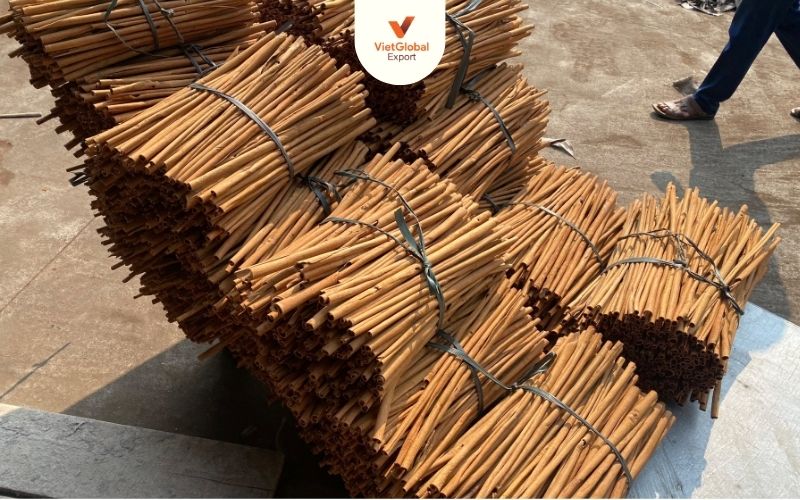
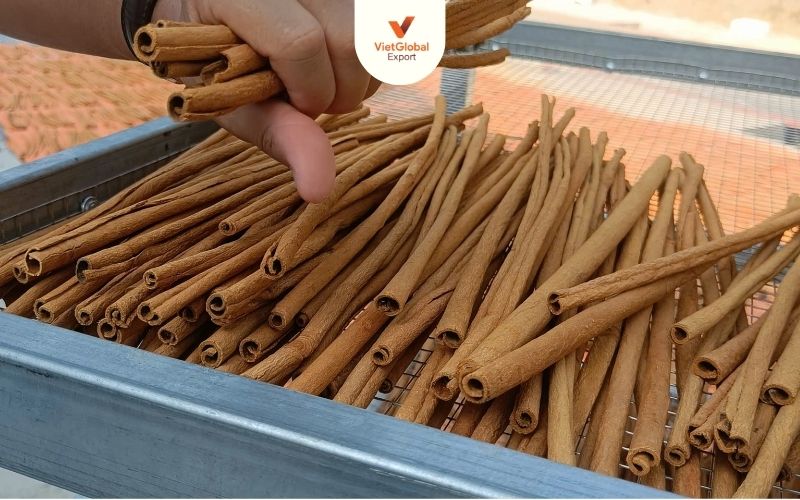
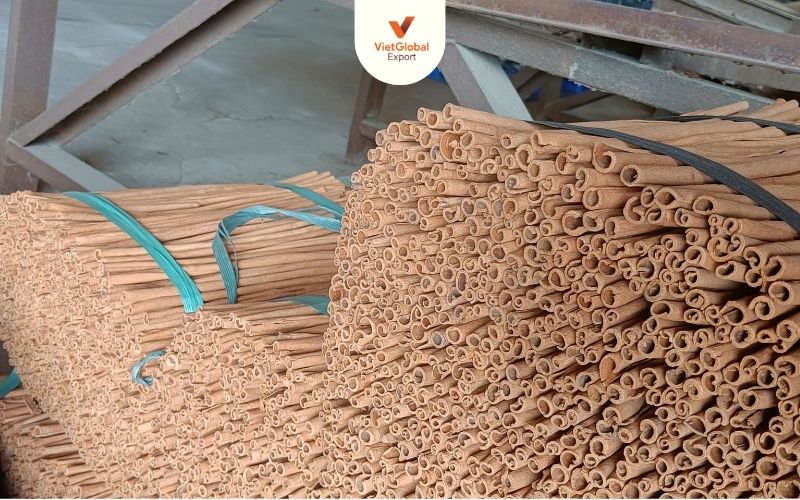
Each stick is carefully sorted by appearance, aroma, and curl quality. Some buyers want 70% roll rate. Others, 90% or more. We deliver both — because consistency matters. Every order is packed with care: in sturdy 10kg cartons or customized packaging designed to meet your logistics and branding needs.
Behind every box of stick cassia is a team, a place, and a process rooted in Vietnamese heritage — and driven by a deep respect for the spice itself.
MOQ, Packaging & Delivery
Thinking of importing stick cinnamon cassia?
Here’s what you need to know:
- MOQ (Minimum Order Quantity): 7 MT per 20ft container
- Standard Packaging: 1kg in PE or mesh bags, 10kg per carton
- Custom Branding: Private label and custom packaging available
Container capacity:
- 7 MT / 20FT
- 17 MT / 40FT
Tell us your market needs — we’ll tailor the solution.
Versatile Applications
Stick cassia has so many uses, and I’m always surprised by its versatility:
- Cooking: Adds depth to curries, stews, teas, and desserts.
- Medicine: Used in traditional herbal remedies to treat colds, indigestion, and more.
- Beverages: Popular in infused teas, mulled wines, and craft cocktails.
- Craft & Decor: Used in potpourri, candles, and rustic gift packaging.
This flexibility keeps demand strong from many industries, all year round.
Quality Standards & Certifications
At ExportViet, we believe trust starts with transparency. That’s why our stick cassia is processed and packaged to meet strict global standards:
- Moisture: 13.5% max
- Oil content: 2-4%
Certifications available:
- HACCP, ISO 22000
- Halal certified (for Muslim market)
- FDA Registered (for US market)
- Phytosanitary, CO, CQ, MSDS (full as required by import market)
- SGS certificate – depending on customer’s request/ each order
We also provide lab results, photos, and samples upon request.
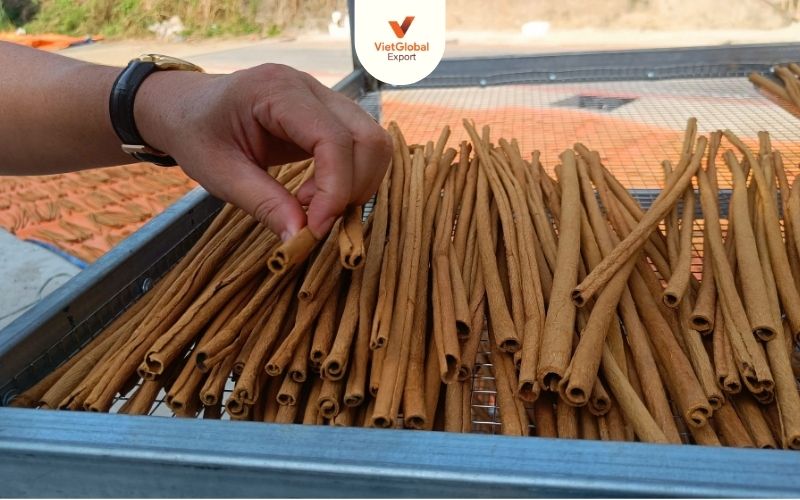
Tips for Choosing a Reliable Supplier in Vietnam
As someone who’s worked with both local growers and international buyers, here are my top tips:
Visit their factory or ask for video proof. A serious supplier should be transparent.
- Check certificates. Make sure they meet your country’s food safety standards.
- Ask for a sample. Test it yourself for aroma, oil content, and cleanliness.
- Discuss packaging upfront. Clear agreements prevent surprises later.
- Look for export experience. Choose someone who knows the logistics inside and out.
At ExportViet, we pride ourselves on long-term relationships, clear communication, and quality you can count on.
Stick cassia isn’t just a product – it’s a spice of connection, warmth, and endless potential. If you’re looking to import high-quality Vietnamese cassia, we’d love to hear from you. Let’s spice up global markets together!
Additional information
| Moisture | 13.5% max |
|---|---|
| Oil content | >2.5% |
| Thickness | 1-2.2mm |
| Admixture | 1% max |
| Length | 20 – 45cm |
| Roll Rate | 100%, 90%, 80%, 70% |
| Standard Packing | Cartons (net 10kgs) |
| Container Capacity | 7MT/20FT, 17MTS/40FT |
Reviews
There are no reviews yet.