

Choosing cinnamon sticks sounds simple until you actually start sourcing them.
If you are an importer, manufacturer, or brand owner, learning how to choose cinnamon sticks correctly can help you avoid quality issues, control costs, and maintain product consistency across shipments.
In this guide, we share practical, on-the-ground insights from Vietnam to help buyers understand how to choose cinnamon sticks based on application, aroma, oil content, safety, and long-term sourcing reliability.
HOW TO CHOOSE CINNAMON STICKS STARTS WITH YOUR END USE
When buyers ask us how to choose cinnamon sticks, the first question we always ask back is: How will you use them?
Different applications require different characteristics. For example, retail products often prioritize appearance and uniformity, while food manufacturers care more about aroma strength and oil content. Tea and wellness products may focus on safety and low coumarin, while industrial users look for efficiency and yield.
Once the intended use is clear, you immediately narrow down the right cinnamon type. Without this step, many buyers end up choosing the wrong product — not because it’s low quality, but because it’s unsuitable for their application.
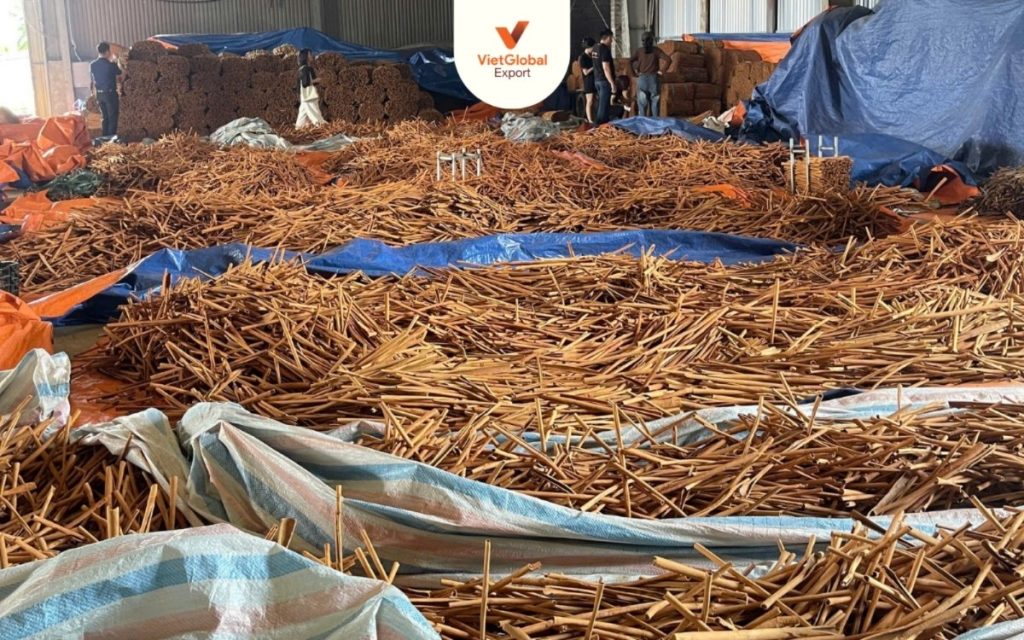
UNDERSTAND THE DIFFERENCE BETWEEN CEYLON AND CASSIA
After defining the application, understanding cinnamon types is a critical step in learning how to choose cinnamon sticks that match your market and product positioning.
Ceylon cinnamon, often called “true cinnamon,” has a light color, thin layers, and a mild, slightly sweet aroma. It contains very low coumarin, making it suitable for daily consumption, premium tea blends, and wellness products.
Cassia cinnamon, which dominates global trade, is darker, thicker, and far more aromatic. Vietnamese cassia in particular is known for its strong flavor and high oil content. This makes it ideal for baking, beverages, spice blends, and large-scale food production.
For most importers and manufacturers, Vietnamese cassia cinnamon is the more practical and cost-effective choice, especially when consistent aroma is required.
LOOK AT THE STICK – APPEARANCE TELLS A STORY
Once you know the type, physical inspection becomes meaningful. A good cinnamon stick should look clean, dry, and naturally rolled, without mold, black spots, or excessive outer bark.
Thickness matters more than many buyers realize. Thicker sticks usually contain more essential oil, resulting in stronger aroma and better performance during processing. Thin sticks may look attractive, but they often lack intensity.
Color should be consistent across the batch. Uneven color often indicates mixed grades or improper drying.
A simple but effective habit many buyers use is breaking the stick by hand. Cassia snaps firmly, while Ceylon tends to crumble softly. This quick check often reveals more than a specification sheet.
AROMA AND OIL CONTENT – WHERE THE REAL VALUE IS
Appearance may catch the eye, but aroma determines quality.
When you open a bag of cinnamon sticks, the scent should be warm, sweet-spicy, and clean. Any musty, sour, or dull smell is a red flag.
For cassia cinnamon, oil content is one of the most important technical indicators. Vietnamese cassia typically ranges from 2% to 5% oil, depending on thickness, maturity, and grade. Higher oil content means stronger flavor, better extraction yield, and more consistent performance in food applications.
That’s why experienced buyers don’t just ask for size or length, they ask for oil percentage.
SAFETY AND COMPLIANCE SHOULD NEVER BE AN AFTERTHOUGHT
As you move closer to finalizing a supplier, safety becomes just as important as flavor. This is especially true for food, beverage, and wellness markets.
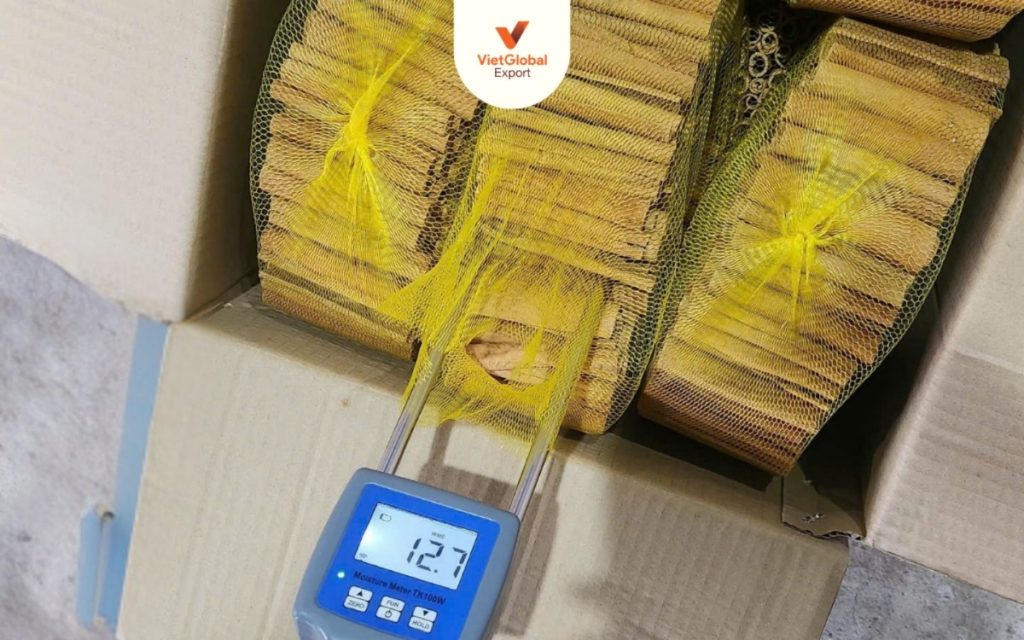
Moisture level should be controlled, ideally below 13.5%, to prevent mold growth during storage and shipment. Drying methods, handling, and packing conditions all affect shelf life.
Depending on your market, you may also need documentation related to coumarin, heavy metals, or pesticide residues. A professional exporter should be able to support you with proper documentation, including certificates of origin, phytosanitary certificates, fumigation, and quality management systems.
If a supplier avoids these questions or gives unclear answers, it’s usually a warning sign.
SIZE AND CUT – A BALANCE BETWEEN FUNCTION AND COST
Cinnamon sticks are available in various lengths, such as 5 cm, 8 cm, or 10 cm. While retail buyers often prefer long, uniform sticks for presentation, many industrial buyers benefit more from shorter or cut sticks.
Shorter sticks pack more efficiently, reduce breakage, and often lower shipping costs. For grinding or extraction, appearance matters far less than performance.
Choosing the right size is not about compromise – it’s about aligning the product with your actual needs.
HOW TO CHOOSE CINNAMON STICKS WITHOUT OVERPAYING
When comparing offers, price per kilogram is only part of the picture. Cinnamon that looks cheap on paper may have lower oil content, higher moisture, or inconsistent grading, leading to higher loss during processing.
On the other hand, slightly higher-priced cinnamon with stable quality often delivers better results in the long run. Experienced buyers focus on value per shipment, not just unit price.
FINAL THOUGHTS: HOW TO CHOOSE CINNAMON STICKS WITH CONFIDENCE
Understanding how to choose cinnamon sticks is not about memorizing technical terms. It’s about asking the right questions, aligning quality with application, and working with suppliers who value transparency.
When type, aroma, oil content, safety, and logistics are aligned, cinnamon sourcing becomes straightforward and reliable.
Need help choosing the right cinnamon sticks for your market?
When you’re sourcing cinnamon from thousands of miles away, choosing the right grade isn’t always straightforward.
At VietGlobal Export, we act as your eyes, ears, and hands on the ground in Vietnam — helping you select the right cinnamon sticks based on application, oil content, and compliance needs.
Whether you’re importing for food manufacturing, retail, or private label, our team supports you from sampling to shipment.
📩 Email: sales@exportviet.com
