
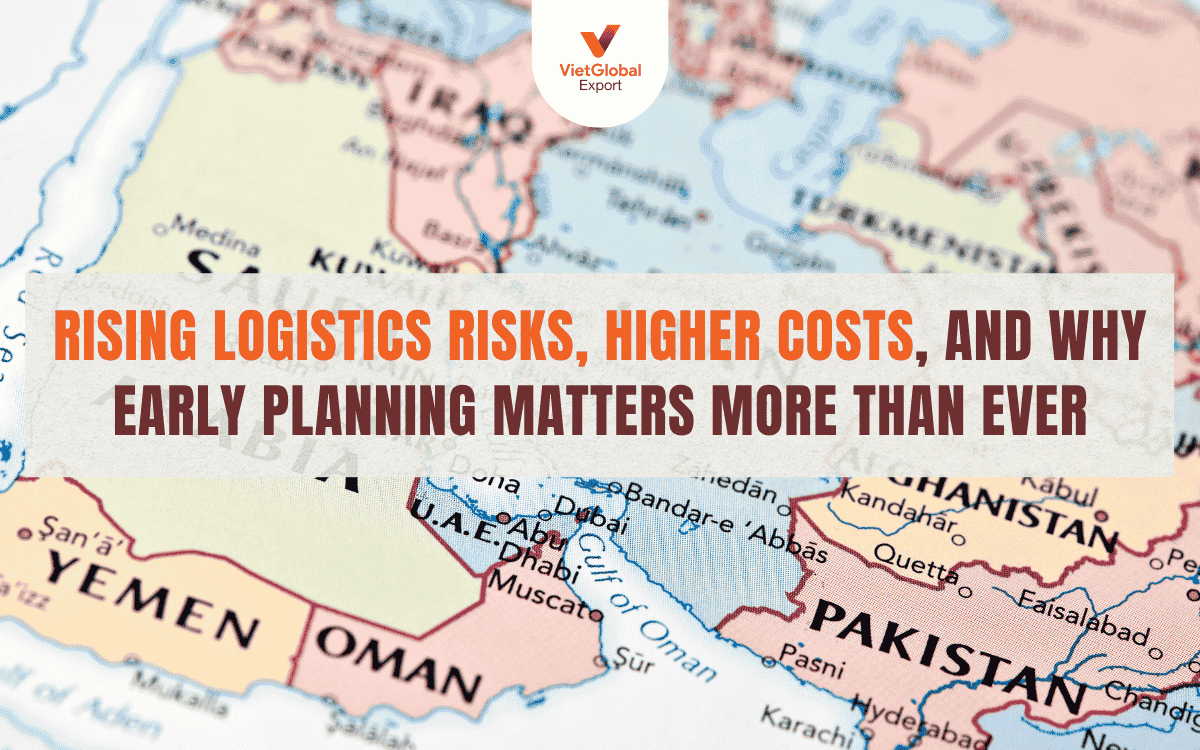
Rising logistics risks, higher costs, let explore how Red Sea disruption affects spice importers?
In recent months, disruptions across key maritime routes, particularly the Red Sea, have started to reshape global trade flows. At the same time, rising geopolitical tensions in the Middle East, including concerns around the Strait of Hormuz, are adding another layer of uncertainty to international logistics.
For spice importers sourcing from Vietnam and across Asia, this is no longer just a shipping issue. It has become a supply chain risk that requires more proactive planning and closer coordination with suppliers.
What is changing in global shipping routes?
Red Sea and Suez Canal disruptions
The Red Sea and Suez Canal have long been critical routes connecting Asia to Europe and parts of the Middle East. However, due to ongoing security concerns, many shipping lines are now avoiding this route and rerouting vessels around the Cape of Good Hope.
This shift has significantly changed how goods move acoss global supply chains. Instead of stable and predictable routes, shipments are now subject to longer transit times and increased uncertainty.
Impact on transit time and logistics costs
As vessels take longer alternative routes, transit times have increased by approximately 10 to 20 days. At the same time, freight costs have risen due to longer distances, higher fuel consumption, and increased insurance premiums.
Even without a complete disruption in the Middle East, the uncertainty surrounding key chokepoints like the Strait of Hormuz is already putting pressure on global logistics systems. This leads to higher costs and more complex shipment planning.
Impact on Vietnam spice exports and global buyers
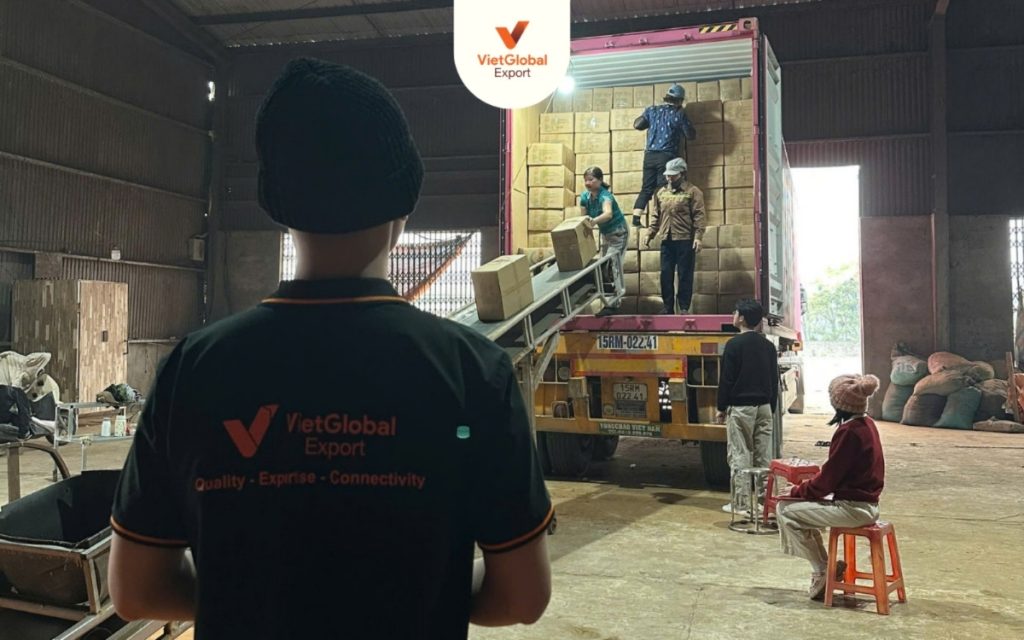
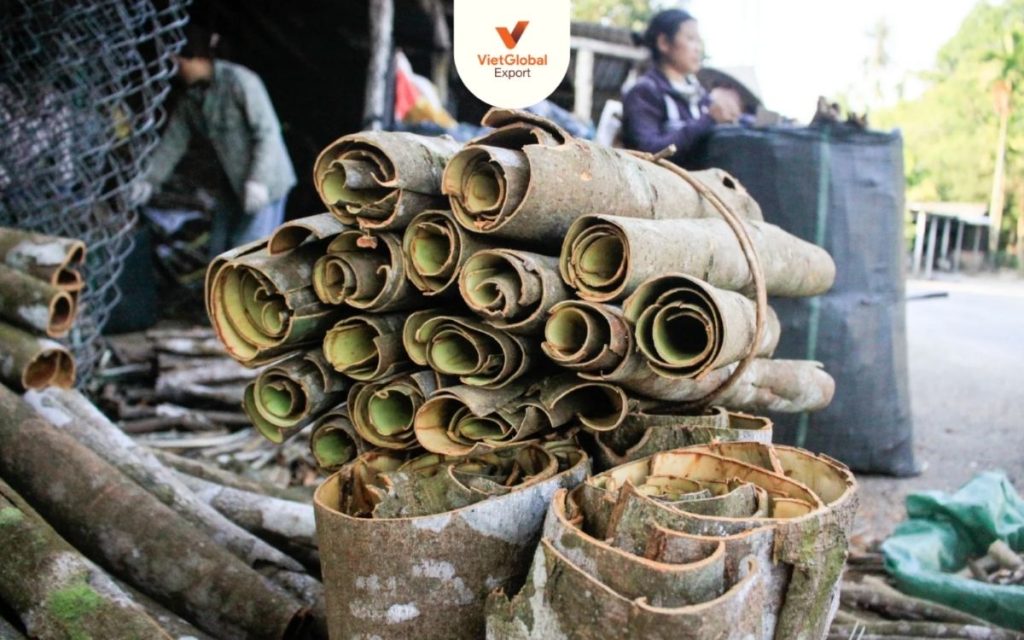
Vietnam is one of the world’s leading exporters of cassia cinnamon, star anise, and black pepper, supplying major markets in Europe, the Middle East, and North Africa.
With the current logistics situation, spice importers are facing several noticeable challenges that directly affect sourcing decisions.
Longer and less predictable shipping timelines
Shipments from Vietnam to Europe and MENA markets are now taking longer and are less reliable than before. Importers may experience delays, cargo being rolled to later vessels, and frequent changes in estimated arrival times.
This creates difficulties in inventory planning, production scheduling, and fulfilling contractual commitments.
Rising landed costs for spice importers
Logistics costs have increased due to longer shipping routes, higher fuel prices, and elevated insurance risks. As a result, even when product prices remain stable, the total landed cost of spices can increase significantly.
For buyers working under CIF terms, these cost increases are often reflected directly in the final price, tightening margins and making cost forecasting more challenging.
Supply pressure during peak harvest season
The current disruption coincides with a critical period in Vietnam, as the country enters the main harvest season for key spices such as cassia cinnamon, star anise, and black pepper.
This creates a unique situation where supply at origin is increasing, but the ability to move goods efficiently is constrained. As a result, the supply chain becomes more sensitive to timing and coordination.
Why timing is becoming more important
In stable market conditions, buyers may wait until peak harvest to negotiate better prices. However, under current logistics pressure, delaying purchasing decisions can lead to higher risks, including limited container availability, rising freight rates, and longer delays.
This makes early-stage sourcing decisions more critical than usual.
How spice importers are adapting their sourcing strategies
As global logistics conditions change, experienced buyers are adjusting their approach to reduce risk and maintain supply stability.
Many importers are now starting procurement discussions earlier than usual, rather than waiting for peak harvest. This allows them to secure production capacity, stabilize pricing, and align shipment schedules more effectively.
At the same time, adding buffer time into supply planning has become a common practice. Allowing an additional two to three weeks helps absorb unexpected delays and reduces pressure on downstream operations.
Some buyers are also optimizing shipment strategies by combining products into mixed containers, adjusting shipment timing, or exploring alternative routes. These approaches help balance cost efficiency and delivery reliability in a volatile environment.
Perhaps most importantly, buyers are increasingly relying on local partners to gain better visibility. Having on-the-ground support helps monitor production, track shipment progress, and respond quickly to unexpected changes.
How VGE supports your sourcing from Vietnam
At VietGlobal Export (VGE), we believe sourcing is not just about purchasing products. It is about managing risks across the entire supply chain.
In the current environment, we support our partners by providing real-time updates on harvest and logistics conditions, coordinating closely with suppliers and shipping partners, and offering flexible sourcing solutions, including multi-product shipments.
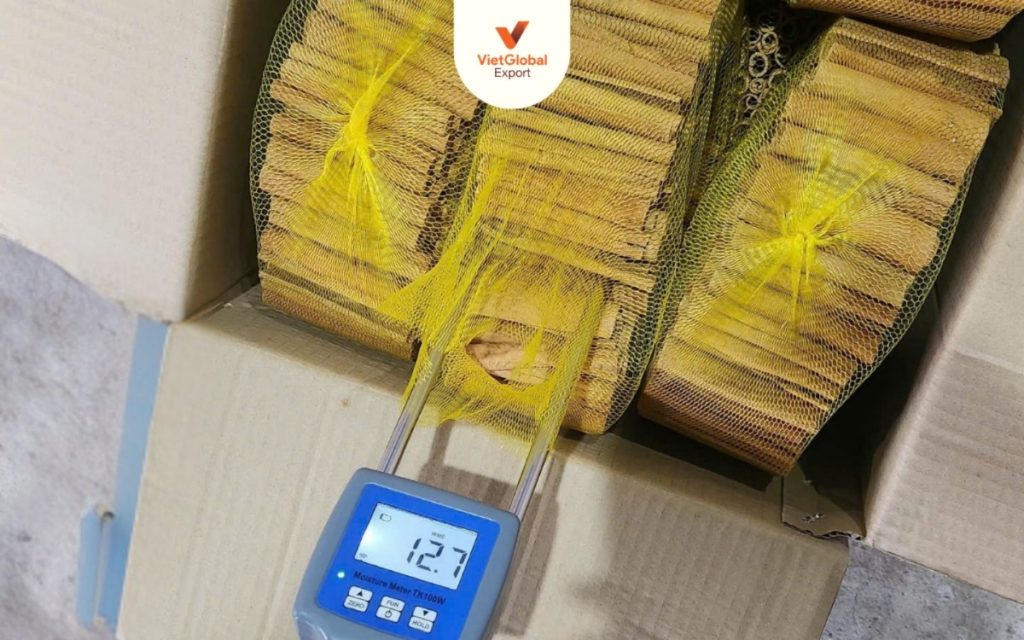
By ensuring quality control before shipment and maintaining close communication throughout the process, we help buyers make informed decisions with greater confidence.
Conclusion: sourcing is no longer just about price
The ongoing Red Sea disruption, combined with broader geopolitical tensions in the Middle East, highlights an important shift in global trade.
Sourcing is no longer just about finding the best price. It is about managing timing, visibility, and risk.
For spice importers, opportunities still exist, especially with new harvests entering the market. However, success now depends on planning earlier, staying informed, and working closely with reliable partners at origin.
